






What's Happening?
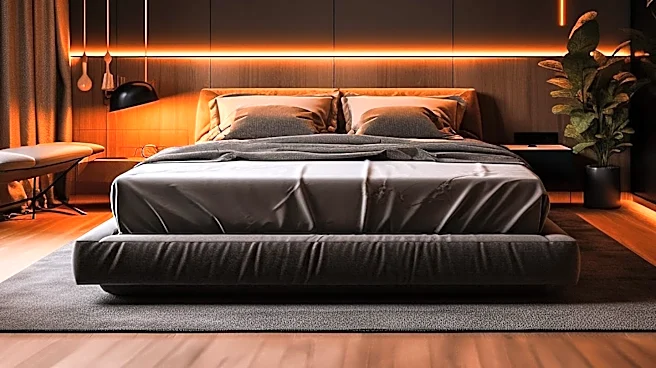
Creating a moody ambiance in a bedroom involves a layered lighting approach, combining general, task, and ambient light sources. Moody lighting is characterized by lower overall brightness, warm contrast, and shadows, rather than simply being a dark room.
The strategy emphasizes deliberate light placement to reduce glare and support various activities. General lighting, such as a ceiling fixture, provides practical visibility for movement. Task lighting, like a bedside lamp, is used for specific activities such as reading or dressing. Ambient lighting, often a small sculptural lamp, provides a warm focal glow, ideally placed to reflect off a nearby wall or object without shining directly into the eyes. This multi-layered system allows the room to transition from practical daytime illumination to a softer, more relaxed evening setting without relying on a single light source. Warm-toned lights, typically around 2700K-3300K, are generally preferred for creating a cozy atmosphere in bedrooms, while cooler lights are more suitable for tasks requiring focus.
Why It's Important?
The strategic use of layered lighting in bedrooms significantly impacts the psychological and physiological well-being of individuals. Warm, ambient lighting promotes relaxation and can aid in winding down before sleep, aligning with the body's natural circadian rhythms. Conversely, exposure to bright, cool-toned light in the evening can disrupt sleep patterns, as cooler light sources often contain more blue-enriched light. This approach allows consumers to optimize their living spaces for both functionality and comfort, enhancing daily routines and overall quality of life. For businesses in the lighting industry, this trend highlights a demand for versatile, dimmable, and color-adjustable products, particularly LED solutions, that cater to diverse mood-setting needs. Manufacturers and retailers can capitalize on this by offering integrated lighting systems and smart home solutions that allow for easy control and customization of light layers and color temperatures, thereby increasing product utility and market appeal.
What's Next?
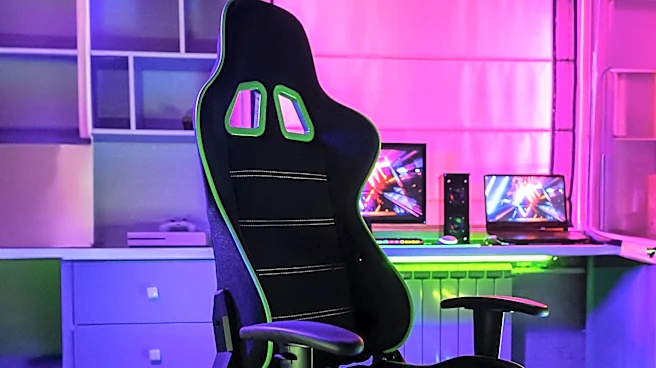
The trend towards personalized and adaptable home lighting is expected to continue, with an increasing focus on smart lighting systems that offer greater control over color temperature, brightness, and dynamic effects. Consumers will likely seek out products that integrate seamlessly into smart home ecosystems, allowing for automated adjustments based on time of day, activity, or personal preference. The market may see further innovation in ambient lighting solutions, such as sunset lamps and modular RGB desk lamps, which are designed specifically to create atmospheric effects. Manufacturers will likely continue to develop energy-efficient LED technologies that offer a wider spectrum of color temperatures and dimming capabilities. Educational efforts for consumers on the benefits of layered lighting and appropriate color temperatures for different activities and times of day will also become more prevalent, driving informed purchasing decisions and broader adoption of sophisticated lighting designs.
Beyond the Headlines
The emphasis on mood lighting extends beyond mere aesthetics, touching upon deeper aspects of human well-being and productivity. The deliberate manipulation of light in personal spaces reflects a growing awareness of environmental psychology and its impact on mental health. Warm lighting, for instance, can evoke feelings of comfort and security, potentially reducing stress and anxiety. The ability to customize lighting environments empowers individuals to create spaces that support various emotional states, from focused work to deep relaxation. This shift also highlights a broader cultural movement towards creating more intentional and responsive living environments, where technology serves to enhance human experience rather than merely automate tasks. The integration of lighting with other sensory elements, such as sound (e.g., sound-responsive lamps), suggests a future where home environments are dynamically orchestrated to optimize mood and functionality, blurring the lines between interior design, technology, and personal wellness.