







What's Happening?
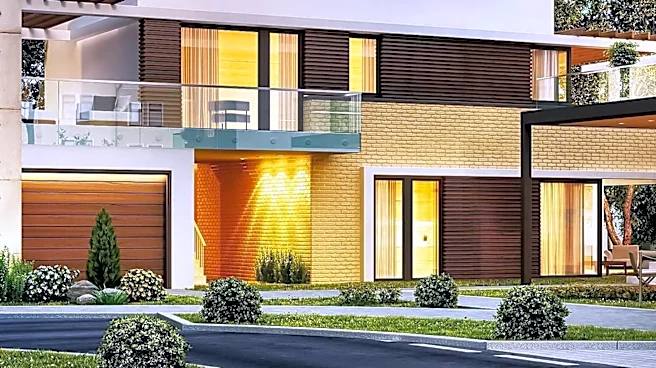
New construction homes are increasingly favored by buyers seeking long-term value, according to insights from Oakwood Homes. These properties offer significant advantages over existing homes, primarily due to lower maintenance requirements and enhanced
energy efficiency. New builds feature newly installed major systems and components, reducing the likelihood of unexpected repairs and associated costs that often come with older properties. Modern construction standards incorporate advanced insulation, energy-efficient windows, high-performing HVAC systems, and contemporary appliances, leading to substantial savings on monthly utility bills. Additionally, new homes are designed to meet current lifestyle demands, offering open-concept floor plans, spacious kitchens, flexible living areas, and integrated smart-home technology. Buyers also have the opportunity for personalization through design packages, allowing them to select finishes and details that reflect their style from the outset, thereby reducing the need for future renovations.
Why It's Important?
The shift towards new construction homes has significant implications for the U.S. housing market and consumer spending. For homeowners, the long-term financial benefits of reduced maintenance and lower energy costs can lead to substantial savings, freeing up capital for other investments or expenses. This trend also drives innovation in the construction industry, pushing developers to adopt more sustainable building practices and integrate advanced technologies. The emphasis on modern design and smart-home features in new builds reflects evolving consumer preferences, influencing the types of properties that are most desirable and retain value over time. This can impact the resale market for older homes, potentially requiring owners of existing properties to invest more in upgrades to remain competitive. Ultimately, the growing preference for new construction shapes urban development, resource allocation in the housing sector, and the overall economic landscape for both buyers and builders.
What's Next?
As the demand for new construction homes continues, the housing market is likely to see further emphasis on energy efficiency and integrated smart-home technologies. Builders will continue to innovate in these areas, potentially leading to even more advanced and sustainable housing options. This trend may also encourage a greater focus on customizable design packages, allowing buyers more control over their home's aesthetics and functionality from the initial stages. For the resale market, this could mean increased pressure on owners of older homes to undertake significant renovations to compete with the modern amenities and efficiencies offered by new builds. We may also see policy discussions around incentives for energy-efficient construction and smart-home integration, further accelerating these trends in the U.S. housing sector.
Beyond the Headlines
The preference for new construction homes extends beyond immediate financial benefits, touching upon broader societal and environmental considerations. The focus on energy efficiency in new builds contributes to national sustainability goals by reducing overall energy consumption and carbon footprints. This aligns with growing environmental consciousness among consumers and could influence future regulatory frameworks for construction. Furthermore, the integration of smart-home technology in new properties is not just about convenience; it represents a deeper societal embrace of interconnected living and data-driven home management. This could lead to new ethical discussions around data privacy and security within the home environment. The ability to personalize new homes also reflects a cultural shift towards bespoke living spaces that cater to individual needs and preferences, moving away from a one-size-fits-all approach to housing. This trend could reshape community planning and the architectural landscape of residential areas across the U.S.