



What's Happening?
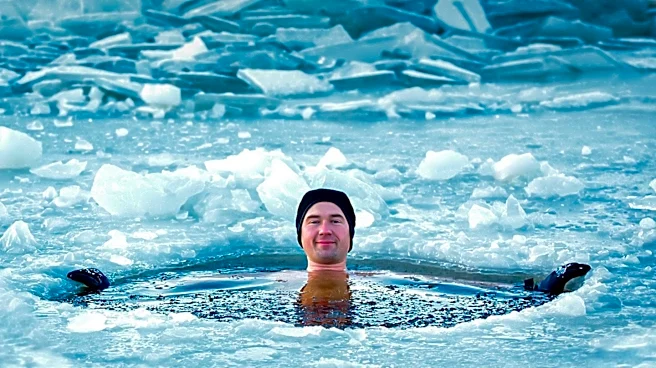
Cold immersion therapy, commonly known as cold plunging, is widely used by athletes for recovery and to alleviate muscle soreness. A meta-analysis of 28 studies confirmed that cold water immersion is more effective at relieving muscle soreness after intense
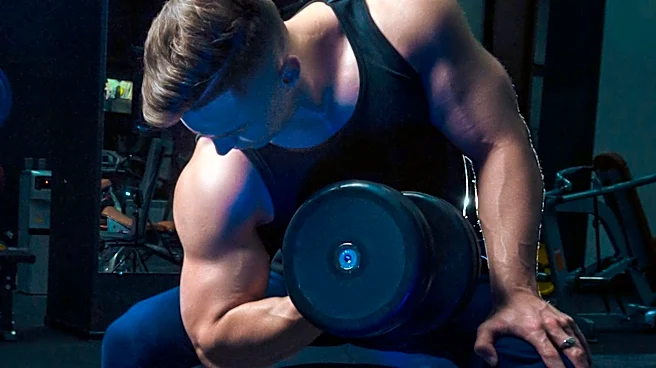
exercise compared to other recovery methods, including active recovery and warm-water immersion. However, research indicates a potential trade-off: while beneficial for soreness, cold plunges immediately after resistance training may hinder muscle growth and strength gains. A 12-week trial involving physically active men showed that those who underwent 10 minutes of cold water immersion after each strength session gained less strength and muscle mass than those who engaged in active recovery. This suggests that the inflammation reduced by cold therapy, which helps with soreness, is also crucial for muscle adaptation and growth. Experts recommend leaving a gap of several hours between resistance training and cold immersion to maximize both recovery and muscle development.
Why It's Important?
This information is crucial for athletes, fitness enthusiasts, and trainers in the U.S. who utilize or recommend cold immersion therapy. Understanding the nuanced effects of cold plunges can significantly impact training protocols and recovery strategies. For professional sports organizations and individual athletes, optimizing recovery without compromising long-term strength and muscle development is paramount for performance and career longevity. The findings suggest that blindly applying cold plunges immediately post-workout might be counterproductive for those focused on hypertrophy and strength gains. This could lead to a re-evaluation of current practices in gyms, training facilities, and sports medicine clinics across the country. Furthermore, it highlights the importance of evidence-based practices in the rapidly growing wellness industry, encouraging consumers to be more informed about the science behind popular recovery methods. The distinction between immediate soreness relief and long-term physiological adaptations is a key takeaway for anyone incorporating cold therapy into their routine.
What's Next?
In light of these findings, it is anticipated that training methodologies and recovery protocols will evolve to incorporate a more strategic approach to cold immersion therapy. Athletes and coaches are likely to adjust the timing of cold plunges, opting to implement them several hours after resistance training sessions to mitigate the negative impact on muscle growth while still benefiting from soreness relief. Educational initiatives within sports science and fitness communities may emphasize these distinctions, promoting a more informed use of cold therapy. Further research may also explore optimal timing, temperature, and duration for cold plunges to achieve specific recovery or performance goals without compromising other physiological adaptations. The wellness industry might also see a shift in product development, with a focus on tools and techniques that support targeted recovery without hindering muscle development.
Beyond the Headlines
The discussion around cold immersion therapy extends beyond immediate athletic performance to broader implications for health and wellness. The findings underscore the complex interplay between inflammation, recovery, and physiological adaptation, challenging the simplistic view that all inflammation is detrimental. This nuanced understanding can inform approaches to other forms of physical stress and recovery, potentially influencing how individuals manage post-exercise discomfort and long-term physical development. Ethically, it highlights the responsibility of wellness practitioners and product manufacturers to provide accurate, science-backed information to consumers. Culturally, it reflects a growing trend towards biohacking and optimizing bodily functions, but also emphasizes the need for critical evaluation of popular health trends. The research encourages a more holistic and informed approach to personal well-being, moving beyond fads to embrace practices supported by scientific evidence.