




What's Happening?
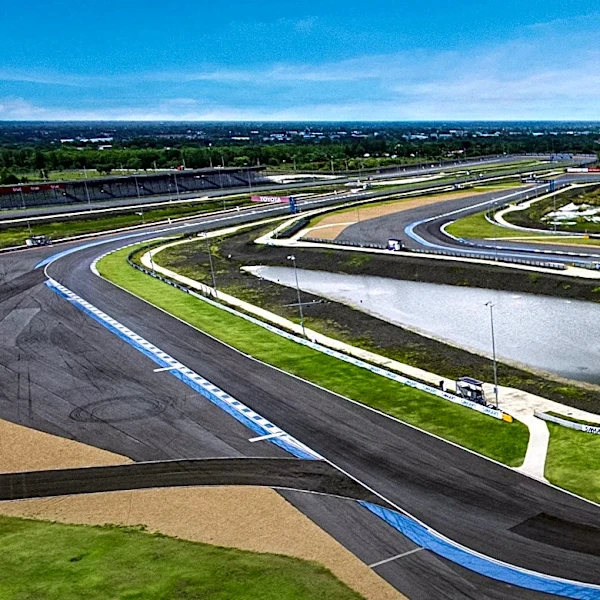
Fernando Alonso, a two-time Formula One world champion, has voiced strong criticism regarding the current F1 engine regulations, stating they have 'killed' the character of iconic circuits such as Silverstone, Spa-Francorchamps, and Suzuka. Alonso has engaged
in discussions with F1 leadership, including FIA president Mohammed Ben Sulayem and F1 CEO Stefano Domenicali, to address these concerns. He argues that the regulations force drivers to adopt a counter-intuitive approach, where they must 'drive slow to go fast,' a method he claims is unique to current Formula One and deviates from the natural instincts developed in other motorsport series. While acknowledging the sport's commercial growth and success, Alonso's primary focus is on improving the racing product and the enjoyment of driving. His contract with Aston Martin is set to expire, and his decision on continuing in F1 is influenced by these regulatory issues, despite F1's plans to increase internal combustion output to a 60-40 split by 2028.
Why It's Important?
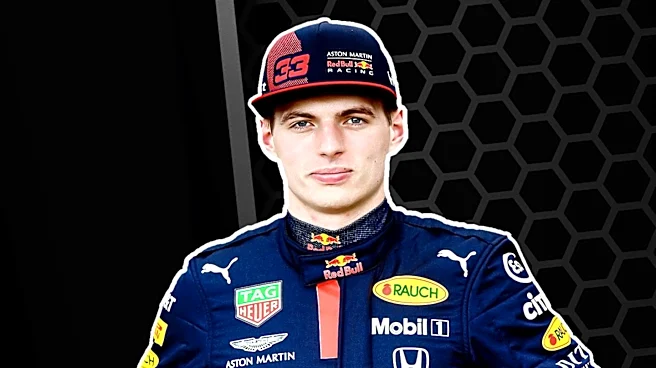
Alonso's critique highlights a significant tension within Formula One between technological advancement and the purity of racing. His comments, echoed by other drivers like Max Verstappen, suggest a growing dissatisfaction among competitors regarding the current technical regulations, particularly the energy management demands. This dissatisfaction could impact driver retention and the overall appeal of the sport to its core audience, who value high-speed, aggressive racing. The 'drive slow to go fast' paradox, as described by Alonso, indicates that the current rules may be hindering drivers from pushing cars to their limits, thereby reducing the spectacle and challenge of racing on historically demanding tracks. If these concerns are not adequately addressed, it could lead to a decline in driver engagement and potentially affect the sport's long-term credibility, despite its current commercial success. The ongoing dialogue between drivers and F1 management underscores the need for a balance between innovation and maintaining the fundamental essence of motorsport.
What's Next?
F1 has already committed to regulatory changes, including an increase in internal combustion output to a 60-40 split by 2028, with an initial move to 58-42 next year. Alonso believes these changes will improve the situation but suggests that further modifications are necessary. His ongoing conversations with F1 and FIA bosses indicate a continuous effort to refine the regulations. The FIA president, Mohammed Ben Sulayem, has expressed a desire to keep Alonso in F1 and is reportedly working on a rules concession plan. Alonso's decision regarding his future in the sport will likely depend on the perceived effectiveness of these regulatory adjustments in restoring the enjoyment and challenge of racing. The outcome of these discussions and the impact of the planned rule changes will be closely watched by drivers, teams, and fans, as they will shape the future direction of Formula One's technical landscape and racing philosophy.
Beyond the Headlines
The debate surrounding F1's engine regulations extends beyond mere technical specifications; it touches upon the very identity of motorsport. Alonso's frustration with the need to 'drive slow to go fast' points to a fundamental shift in racing strategy, moving away from pure instinct and aggressive driving towards a more calculated, energy-management-focused approach. This shift raises questions about the role of technology in sports and whether it enhances or detracts from the human element of competition. The 'killing' of iconic circuits, as Alonso describes it, suggests that technological constraints are altering the inherent challenges and historical significance of these venues. This could lead to a broader discussion about preserving the heritage of motorsport while embracing innovation. The long-term implications could include a re-evaluation of how regulations are formulated to ensure they foster competitive, exciting racing that appeals to both drivers and fans, without compromising the sport's integrity or its connection to its storied past.