







What's Happening?
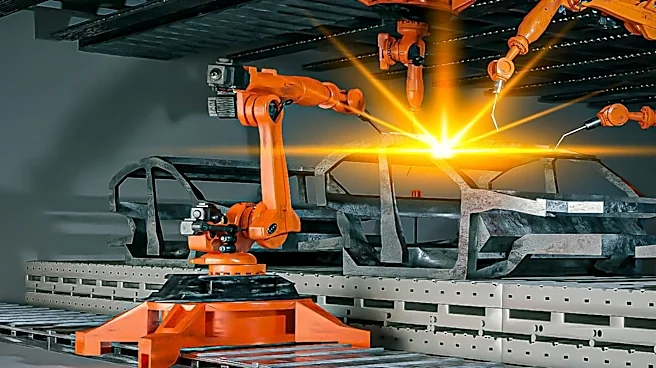
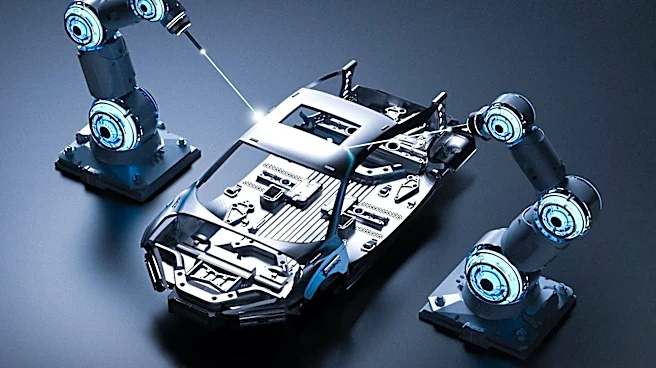
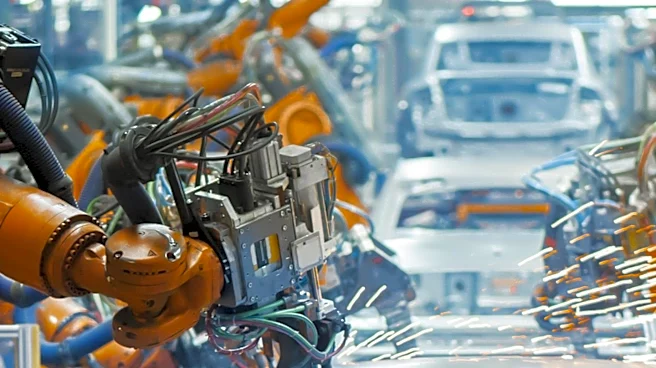
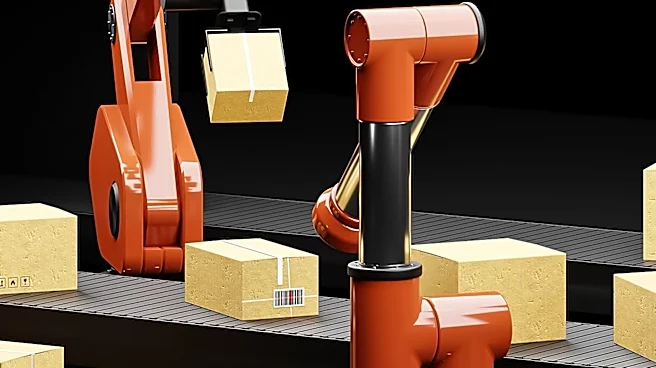
The Automate 2026 event in Chicago has highlighted significant advancements in industrial automation, focusing on the integration of robotics and artificial intelligence (AI). The event, attended by 50,000 participants, showcased the capabilities of modern
robotics hardware and software, emphasizing their adaptability to changing environments. Exhibitors demonstrated how AI is being used to empower human workers through coaching and pattern recognition, enhancing productivity and data analysis. The event also underscored the importance of connectivity among various automation tools and systems, which is crucial for the success of modern automation strategies. This connectivity ensures that autonomous vehicles, robotic arms, and warehouse networks are seamlessly integrated with supply chains and human workforces. The show also explored the concept of software-defined automation, which decouples operational technology software from hardware to improve flexibility and scalability.
Why It's Important?
The developments showcased at Automate 2026 have significant implications for the industrial sector in the U.S. The integration of AI and robotics can lead to increased efficiency and productivity, reducing the need for human workers to perform hazardous or repetitive tasks. This shift could result in safer working conditions and potentially lower labor costs. Additionally, the emphasis on connectivity and software-defined automation could lead to more streamlined operations and better resource management. These advancements may also drive innovation and competitiveness in the U.S. manufacturing industry, as companies adopt these technologies to improve their processes. However, the transition to more automated systems could also pose challenges, such as the need for workforce retraining and potential job displacement.
What's Next?
As the industrial sector continues to adopt advanced automation technologies, companies may need to invest in training programs to equip their workforce with the necessary skills to work alongside AI and robotics. Policymakers might also need to consider regulations and guidelines to ensure the ethical use of these technologies and address potential job displacement. The focus on connectivity and integration suggests that future developments will likely involve more sophisticated systems that can seamlessly interact with each other. This could lead to further innovations in supply chain management and operational efficiency. Additionally, as AI continues to evolve, its applications in industrial settings are expected to expand, potentially leading to new business models and opportunities.
Beyond the Headlines
The integration of AI and robotics in industrial automation raises ethical and cultural questions about the future of work and the role of human labor. As machines take on more tasks traditionally performed by humans, there may be a shift in societal values regarding work and productivity. The potential for job displacement could lead to economic and social challenges, necessitating discussions on income distribution and support for affected workers. Furthermore, the reliance on AI and robotics could lead to concerns about data privacy and security, as these systems collect and analyze vast amounts of information. Addressing these issues will be crucial to ensuring that the benefits of automation are realized without compromising ethical standards.