








What's Happening?
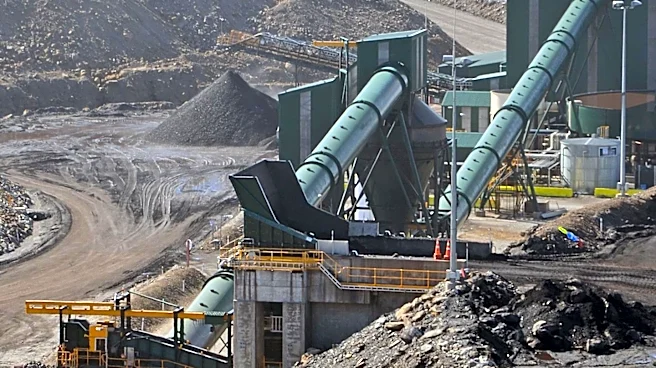
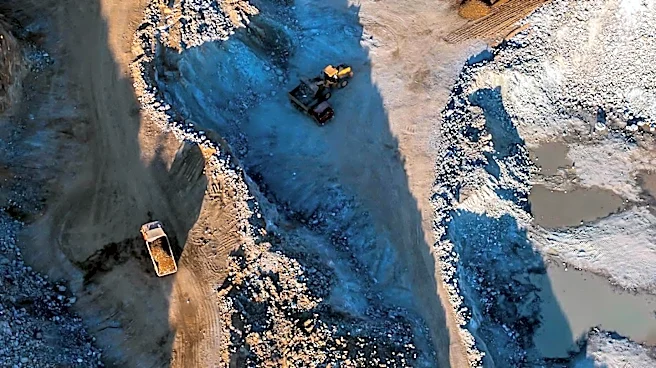
The United States is encountering significant hurdles in establishing a robust domestic rare earth refining industry, despite possessing substantial rare earth deposits. Historically, the U.S. has exported nearly all its mined rare earth concentrate to China
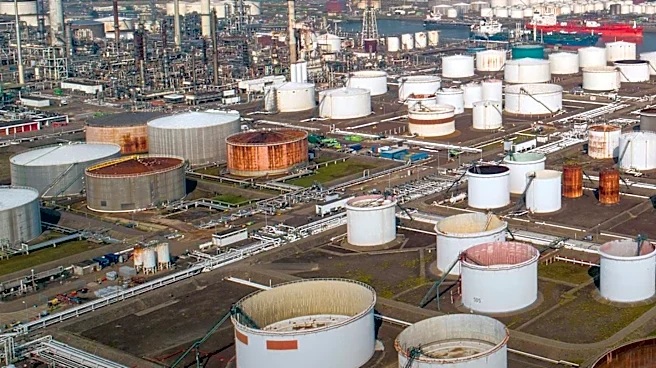
for processing. A 2021 paper from the University of Pennsylvania highlighted this reliance, noting that even after the Mountain Pass mine in California restarted as the sole commercial rare earth mine in the U.S., its output was predominantly shipped to China for refining. China has spent decades developing its separation, refining, and magnet manufacturing capabilities, leading to its current dominance in the global market. As of 2024, the International Energy Agency (IEA) reports that China accounts for approximately 91% of the world's refined magnet rare-earth output, leaving only about 9% to be produced by all other countries combined. While efforts are underway, such as Mountain Pass building more downstream processing in the U.S., and companies like Lynas and Iluka doing the same elsewhere, the process of developing full domestic capacity is lengthy and complex. The primary challenge is not the scarcity of rare earth elements themselves, but rather the lack of refining infrastructure and expertise outside of China.
Why It's Important?
The U.S.'s heavy reliance on China for refined rare earths poses significant strategic and economic vulnerabilities. Rare earth elements are critical components in numerous high-tech industries, including defense, renewable energy, electronics, and electric vehicles. China's near-monopoly on refining capacity grants it considerable leverage over global supply chains and pricing, creating potential risks for U.S. national security and economic stability. Should geopolitical tensions escalate, China could restrict access to these essential materials, severely impacting U.S. manufacturing and technological advancement. Developing domestic refining capabilities would enhance supply chain resilience, reduce dependence on a single foreign supplier, and safeguard critical industries. This shift would also foster job creation and technological innovation within the U.S., contributing to long-term economic security. The current situation underscores the importance of investing in the entire rare earth value chain, from mining to separation, refining, metallurgy, and magnet manufacturing, to ensure a secure and independent supply.
What's Next?
The U.S. is expected to continue its efforts to build out domestic rare earth processing infrastructure. Companies like Mountain Pass are already investing in expanding their downstream capabilities, aiming to reduce the need to export raw concentrate. Further government incentives, investments, and policy support will likely be crucial to accelerate the development of these facilities. This includes fostering technological advancements in refining processes and attracting skilled labor. International collaborations with allies like Australia and Canada, who also possess rare earth deposits and are working to establish their own processing capabilities, could also play a role in diversifying the global supply chain away from China. The long-term goal is to create a self-sufficient rare earth supply chain within the U.S. and among its allies, thereby mitigating geopolitical risks and ensuring access to these vital materials for strategic industries. However, given the decades China spent building its dominance, achieving this will be a multi-year endeavor requiring sustained commitment.
Beyond the Headlines
The rare earth situation highlights a broader issue of industrial policy and strategic resource management. For decades, many Western nations outsourced the processing of critical materials to countries like China, prioritizing cost efficiency over supply chain security. This has created a complex dependency that now requires significant investment and strategic foresight to unwind. Beyond the immediate economic and national security implications, this situation raises questions about the long-term sustainability of global supply chains and the need for diversified sourcing strategies. It also underscores the importance of maintaining domestic industrial capabilities, even for processes that may be more environmentally intensive or costly in the short term. The push for domestic rare earth refining could also spur innovation in cleaner processing technologies, addressing environmental concerns associated with traditional methods. Ultimately, this challenge is a test of the U.S.'s ability to re-industrialize and secure its future in a rapidly evolving geopolitical and technological landscape.