




What's Happening?
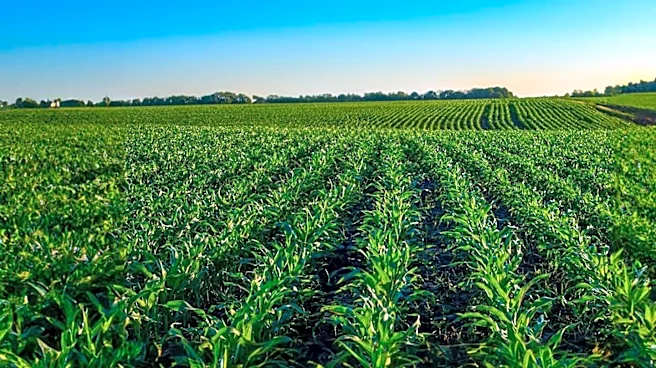
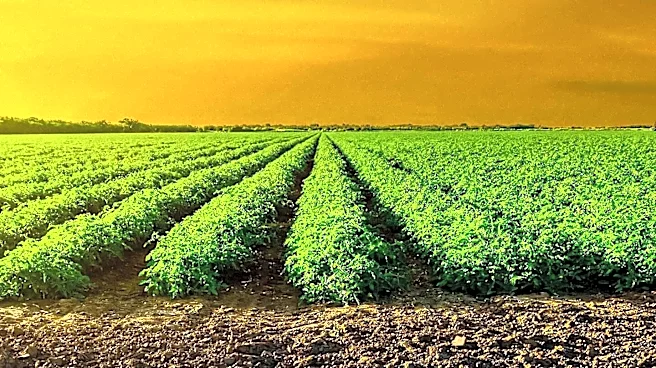
U.S. farmland values have reached a new milestone, with the average value of cropland surpassing $6,000 per acre for the first time in 2026. According to a report by Progressive Farmer, the U.S. Department of Agriculture's annual Land Values Summary indicates
that the average value of cropland increased by 3.3% from the previous year, reaching $6,020 per acre. This rise in value is part of a broader trend observed since 2022, where cropland values have increased by 21.8%. The report highlights that while the rate of increase has slowed compared to previous years, the overall market remains robust. The Corn Belt, including states like Iowa and Illinois, continues to see high cropland values, with Iowa reaching $10,700 per acre. Despite challenges in the agricultural sector, such as international trade issues and fluctuating commodity prices, confidence in the farmland market remains strong.
Why It's Important?
The increase in farmland values is significant as it reflects the underlying confidence in the agricultural sector's long-term potential. This trend suggests that despite short-term economic challenges, stakeholders in the agriculture industry, including farmers and investors, remain optimistic about the sector's future. The rising land values also indicate a stable investment environment, which is crucial for sustaining agricultural productivity and economic stability in rural areas. As farmland is a critical asset for food production, its value is closely tied to the nation's food security and economic health. The continued rise in land values may also impact land accessibility for new farmers, potentially influencing the demographic composition of the farming community.
What's Next?
Looking ahead, the farmland market is expected to remain stable, with limited supply and strong demand supporting high land values. Stakeholders will likely continue to monitor economic indicators such as commodity prices and international trade policies, which could influence future land value trends. Additionally, policy decisions at the federal and state levels regarding agriculture and land use may play a role in shaping the market dynamics. As the agricultural sector adapts to changing economic conditions, the resilience of farmland values will be a key factor in determining the sector's overall health and sustainability.