






What's Happening?
Strength training is increasingly recognized as a crucial component for maintaining muscle strength, endurance, bone density, metabolic health, and mobility throughout life, particularly as individuals age. This form of exercise supports independence
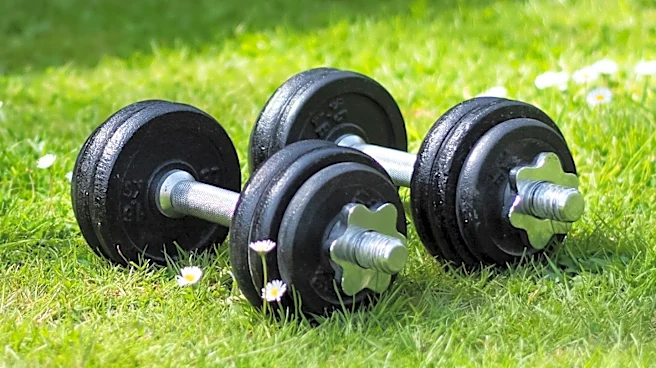
in daily activities, such as carrying groceries or getting up from the floor. Contrary to the misconception that it requires heavy lifting or bodybuilding, effective strength training can be achieved through various methods including dumbbells, machines, resistance bands, barbells, kettlebells, bodyweight exercises, and functional movements. The primary goal is to challenge muscles against resistance, gradually increasing the intensity as strength improves. This approach helps individuals maintain their desired lifestyle and prevents the gradual loss of strength that can make everyday tasks challenging.
Why It's Important?
The shift in focus towards strength training highlights its significant impact on public health and individual well-being in the U.S. As the population ages, maintaining physical independence becomes paramount, reducing the burden on healthcare systems and improving the quality of life for older adults. For women, strength training is particularly vital due to its role in supporting movement, posture, glucose disposal, joint function, bone loading, and combating the increased risk of osteoporosis post-menopause. Integrating strength training into fitness routines can lead to a more capable and resilient populace, fostering a proactive approach to health rather than solely focusing on weight loss or appearance. This emphasis on functional strength contributes to a healthier society, capable of engaging in activities they enjoy for longer.
What's Next?
Public health guidelines and fitness recommendations are likely to continue emphasizing the importance of strength training for all age groups, with a particular focus on its benefits for healthy aging. Educational initiatives may promote diverse strength training methods, making it accessible to individuals regardless of their fitness level or access to specialized equipment. The integration of strength and mobility training into broader fitness programs, alongside cardiovascular exercise, is expected to become more common. This holistic approach aims to build physical reserves, improve recovery, and enhance overall physical capacity, encouraging individuals to adopt consistent, sustainable exercise habits that support long-term health and independence.
Beyond the Headlines
Beyond the immediate physical benefits, the growing recognition of strength training's importance reflects a deeper cultural shift towards valuing functional health and longevity over purely aesthetic goals. This perspective encourages individuals to view exercise as an investment in their future independence and quality of life, rather than a temporary fix. It also challenges traditional notions of aging, promoting the idea that physical capacity can be maintained and even improved well into later years. This broader understanding of health could lead to more inclusive and adaptable fitness programs, catering to diverse needs and promoting a more active and engaged society, ultimately redefining what it means to age gracefully and powerfully.