





What's Happening?
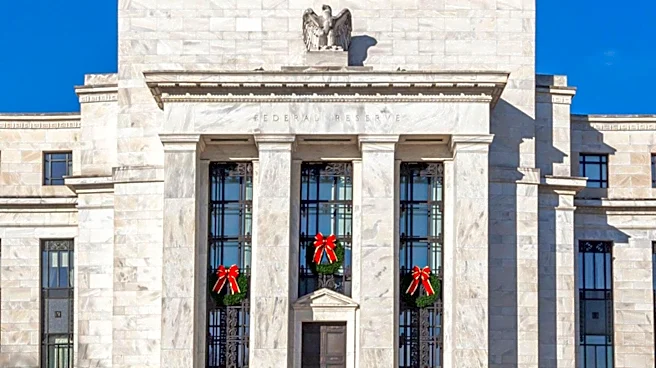
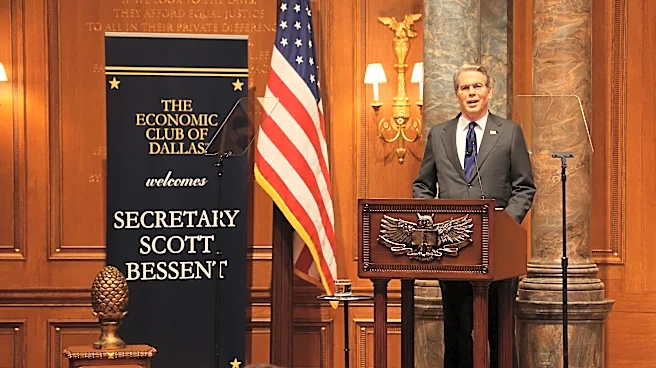
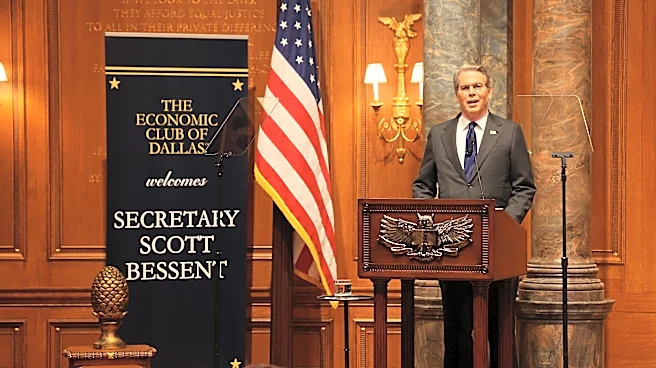
US Treasury Secretary Scott Bessent issued a warning on Sunday, stating that the Federal Reserve risks harming the economy by implementing overly tight monetary policies. This caution comes days after a significant tech-driven market correction intensified
fears about a potential bursting of the artificial intelligence (AI) bubble. Traders have subsequently reduced their expectations for a half-point interest rate hike scheduled for December 9. This shift in sentiment occurred despite Anthropic's record-setting initial public offering (IPO) and a series of strong tech earnings reports, which failed to bolster investor confidence. An analyst cited by Reuters indicated that some investors are concerned the Fed might be 'tightening into an economic slowdown when both earnings and AI investment have peaked.' A Bloomberg columnist drew parallels to historical economic bubbles, such as those involving railroads, electrification, and the internet, advising preparedness for a market downturn.
Why It's Important?
Secretary Bessent's warning highlights a critical juncture for the U.S. economy, as policymakers weigh inflation control against the risk of inducing a recession. The Federal Reserve's decisions on interest rates directly influence borrowing costs for businesses and consumers, impacting investment, employment, and overall economic growth. If the Fed overtightens, it could stifle economic activity, potentially leading to job losses and reduced corporate profits, especially in sectors sensitive to interest rates. The growing concern about an 'AI bubble' suggests that significant capital has flowed into AI-related companies, potentially creating inflated valuations. A correction or burst in this sector could have ripple effects across the broader stock market and investment landscape, affecting retirement funds, institutional investors, and individual portfolios. The historical comparisons to past economic bubbles underscore the potential for substantial wealth destruction if current trends are not managed carefully.
What's Next?
The immediate focus will be on the Federal Reserve's upcoming December 9 meeting, where decisions regarding interest rate adjustments will be made. Market participants will closely monitor the Fed's statements for any indications of a shift in monetary policy strategy, particularly in response to economic data and market sentiment. Further tech earnings reports and AI investment trends will also be scrutinized to assess the health and sustainability of the AI sector. Reactions from major financial institutions, economists, and other government officials are anticipated as they analyze the implications of Bessent's warning and the Fed's subsequent actions. Companies heavily invested in AI or reliant on easy access to capital may face increased scrutiny and potential valuation adjustments. Investors are likely to remain cautious, potentially reallocating assets to less volatile sectors or increasing their cash positions in anticipation of further market fluctuations.
Beyond the Headlines
The debate surrounding the Federal Reserve's policy and the potential AI bubble touches upon deeper economic and technological shifts. Ethically, the rapid growth of AI raises questions about responsible investment, market speculation, and the potential for technological advancements to create economic disparities if not managed equitably. Legally, regulators may face pressure to examine market practices in the AI sector to prevent fraudulent activities or excessive risk-taking that could destabilize the financial system. Culturally, the narrative of an 'AI boom' and subsequent 'bust' could influence public perception of technological innovation, potentially leading to skepticism or a more cautious approach to emerging technologies. In the long term, this period could mark a significant re-evaluation of how new technologies are valued and integrated into the economy, potentially leading to new regulatory frameworks or investment strategies designed to mitigate future bubble risks and promote sustainable growth.