




What's Happening?
Fashion brands are increasingly adopting digital avatars to streamline their creative processes and produce campaign content. This approach allows brands to test concepts, poses, color stories, and styling directions without the significant time and cost
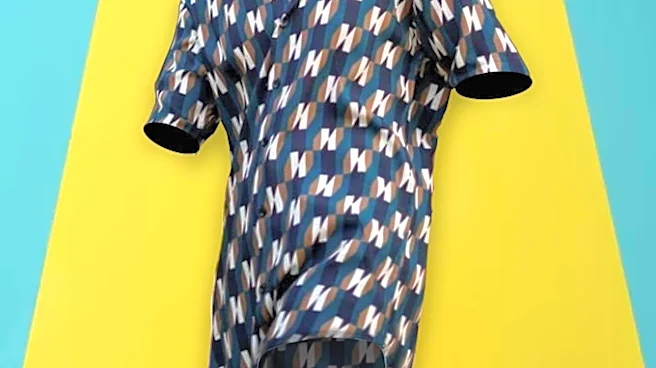
associated with traditional photoshoots. Tools like Higgsfield AI, an AI creative suite, enable smaller teams to visualize how garments and collections appear on models before committing to full production. This method is particularly useful for quick social media content, smaller product drops, and creating region-specific visuals for international campaigns without extensive travel. While digital avatars offer efficiency and cost savings, they are not intended to entirely replace real photography, especially for e-commerce where accurate representation of fabric drape and texture is crucial. The industry is also engaging in discussions about the implications of virtual models for human photographers and models, with a growing expectation for transparency regarding the use of AI-generated content.
Why It's Important?
The integration of digital avatars in the fashion industry signifies a notable shift towards more sustainable and innovative practices, impacting production costs, speed to market, and global reach. For U.S. fashion brands, this technology offers a competitive edge by enabling rapid concept iteration and content generation, which is crucial in a fast-paced market driven by social media trends. Smaller and emerging labels, in particular, stand to gain by accessing high-quality visual content without prohibitive expenses. However, this trend also raises important questions about the future of traditional roles within the fashion industry, such as models and photographers, and the need for ethical guidelines and transparency in disclosing AI-generated content. The balance between technological efficiency and maintaining authenticity and human artistry will be a key challenge for brands navigating this evolving landscape.
What's Next?
The adoption of digital avatars in fashion is expected to continue expanding, with further advancements in AI technology making these virtual models even more realistic and versatile. Brands will likely explore more sophisticated applications, potentially integrating them into virtual fashion shows and metaverse experiences. The conversation around transparency and ethical use of AI in creative industries will intensify, leading to the development of industry standards or regulations regarding the disclosure of AI-generated content. We may also see new hybrid approaches emerge, where digital avatars complement, rather than fully replace, human models and traditional photography, focusing on specific use cases where each excels. Investment in research and development for these technologies will continue, aiming to overcome current limitations in replicating nuanced physical characteristics like fabric movement.
Beyond the Headlines
Beyond the immediate practical benefits, the rise of digital avatars in fashion touches upon deeper ethical and cultural implications. The increasing prevalence of non-existent models could alter societal perceptions of beauty and body image, potentially creating new, unattainable ideals. There's also a philosophical debate about the value of human creativity and authenticity in an era where AI can generate compelling visuals. The shift could lead to a redefinition of 'craft' in fashion, where the process of creating digital assets becomes an art form in itself. Furthermore, the technology's ability to resurrect or create digital versions of deceased artists, as seen in the music industry, raises questions about intellectual property, legacy, and the respectful representation of individuals. The fashion industry's embrace of digital avatars is not just a technological upgrade but a cultural transformation that will reshape how we consume, create, and perceive fashion.