

What's Happening?
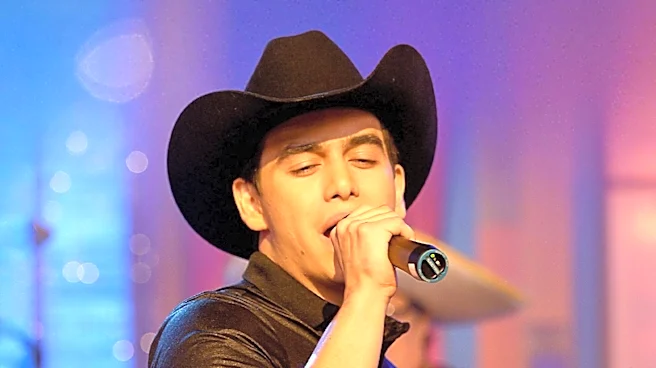
Natanael Cano, the corridos tumbados singer, has been seen in Baja California after a period away from the public eye due to health-related issues. His reemergence has sparked speculation about his recovery and a potential return to music. Cano had previously
canceled his musical commitments for the year following a personal crisis, which led his family to intervene and support his physical and emotional well-being. While specific details of his health struggles were not disclosed, his family released a statement emphasizing that the process was for his benefit as both an individual and an artist, expressing confidence in his eventual return. Prior to his hiatus, Cano was involved in a controversial incident where he reportedly threw stones at a vehicle, after which it was determined he needed to focus on his health. Recent images shared by influencer Chamonic show Cano with a shaved head, interacting calmly with fans, which has fueled rumors that he has completed a rehabilitation process. However, neither his family nor his team have officially confirmed these reports as of November 21.
Why It's Important?
Natanael Cano's health and potential return to the music scene are significant for his substantial fanbase and the regional Mexican music industry. As a prominent figure in the corridos tumbados genre, his absence creates a void for his followers and impacts concert promoters and music labels. His return would likely generate considerable excitement and revenue, potentially revitalizing interest in the genre. Conversely, prolonged absence or further health setbacks could affect his career trajectory and influence within the music industry. The situation also highlights the increasing public awareness and discussion surrounding mental and physical health challenges faced by public figures, particularly in demanding industries like music. The support from his family underscores the importance of personal well-being over professional commitments, setting a precedent for other artists and their teams. The lack of official confirmation regarding his rehabilitation also emphasizes the need for privacy in such personal matters, even for public figures.
What's Next?
The immediate next steps involve awaiting an official statement from Natanael Cano's family or management regarding his health status and future plans. While rumors of his return are circulating, no official date for his comeback to concerts has been announced. Fans and industry stakeholders will be closely watching for any updates, which could include new music releases, tour announcements, or further details about his recovery journey. The public's reaction to his eventual return will be crucial, as it will indicate the sustained loyalty of his fanbase and the broader acceptance of his return to the spotlight after a period of personal struggle. His re-entry into the music scene could also influence trends within the corridos tumbados genre, potentially inspiring other artists or shaping future musical directions. The focus remains on his well-being, and any future professional engagements will likely be contingent on his continued recovery and readiness.
Beyond the Headlines
Natanael Cano's situation extends beyond typical celebrity news, touching upon broader societal conversations about mental health, the pressures of fame, and the role of family support in recovery. The incident involving property damage prior to his hiatus suggests potential underlying issues that fame and public scrutiny can exacerbate. His family's public statement prioritizing his health over his career reflects a growing understanding that artists are not immune to personal crises and require comprehensive support. This narrative contributes to destigmatizing mental health struggles within the entertainment industry, encouraging a more compassionate approach to public figures facing similar challenges. The intense speculation surrounding his rehabilitation, despite the lack of official confirmation, also highlights the pervasive nature of social media and influencer culture in shaping public perception, often outpacing official communications. This case could serve as a touchstone for discussions on artist welfare, contractual obligations during health crises, and the ethical responsibilities of media in reporting on personal struggles.