
What's Happening?
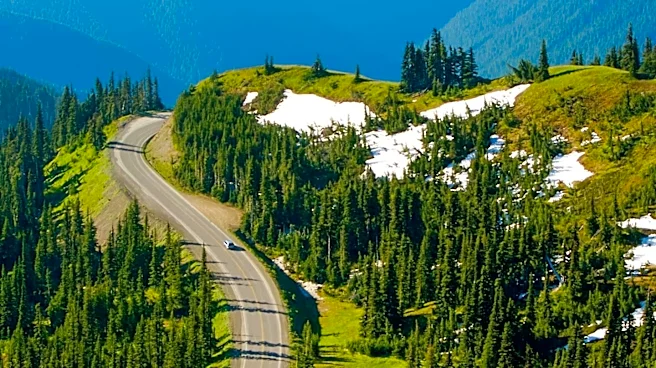
Seattle Refined has highlighted four scenic road trip destinations accessible from Seattle, encouraging residents to embrace the traditional road trip experience. These destinations include Big Sky, Montana;
Orcas Island, Washington; Pacific Beach, Oregon; and Mazama, Washington. The article emphasizes the benefits of road trips, such as cost-effectiveness, opportunities for distraction-free conversations, impromptu detours, and freedom from luggage restrictions and flight delays. Each location offers unique attractions, from cowboy culture and rodeos in Big Sky, Montana, to kayaking and bioluminescence viewing on Orcas Island, and surfing and sand dune sliding at Pacific Beach, Oregon. Mazama, Washington, provides opportunities for hiking and enjoying the North Cascades. The piece suggests that these trips can create lasting memories and potentially new summer traditions, contrasting them with the increasing prevalence and affordability of air travel.
Why It's Important?
This trend of promoting local road trips is important for the U.S. travel and tourism industry, particularly for regional economies. By encouraging domestic travel to destinations like Big Sky, Montana, and various locations in Washington and Oregon, local businesses such as hotels, restaurants, and activity providers benefit from increased visitor spending. This can help sustain jobs and economic activity in smaller towns and rural areas that might otherwise be overlooked in favor of international travel. Furthermore, the emphasis on cost-effectiveness and convenience could appeal to a broader demographic of travelers, making leisure travel more accessible. It also highlights a potential shift in consumer preferences towards more experiential and accessible forms of tourism, which could influence future marketing strategies for travel companies and regional tourism boards.
What's Next?
The continued promotion of regional road trips could lead to increased demand for accommodations and activities in these areas, potentially prompting local businesses to expand their offerings or improve infrastructure. Travelers might see more curated road trip itineraries and packages from travel agencies or online platforms. There could also be a greater focus on sustainable travel practices within these regions, as increased visitor numbers necessitate efforts to preserve natural attractions. Additionally, as more people discover the benefits of road trips, there might be a resurgence in demand for recreational vehicles (RVs) and camping gear, impacting related industries. Local governments and tourism boards may also invest more in maintaining and promoting scenic routes and natural parks to capitalize on this growing interest.
Beyond the Headlines
Beyond the immediate economic impact, the resurgence of road trip culture could foster a deeper appreciation for domestic landscapes and local communities. It encourages a slower, more immersive form of travel, allowing individuals and families to connect with nature and each other without the pressures often associated with air travel. This shift could also influence cultural narratives around leisure and adventure, moving away from exotic, far-flung destinations towards exploring the diverse beauty within one's own country. Environmentally, while road trips involve driving, they can sometimes have a lower carbon footprint per person compared to multiple short-haul flights, especially if travelers opt for fuel-efficient vehicles or electric cars. This trend might also inspire a renewed interest in the history and unique characteristics of different U.S. regions, fostering a sense of national exploration and pride.