





What's Happening?
Oklahoma County District Judge Amy Palumbo has ordered State Farm Insurance CEO Jon Farney to answer questions under oath in a case filed by a Broken Arrow couple, Billy and Lacy Hursh. The couple alleges that State Farm wrongfully denied them fair payment
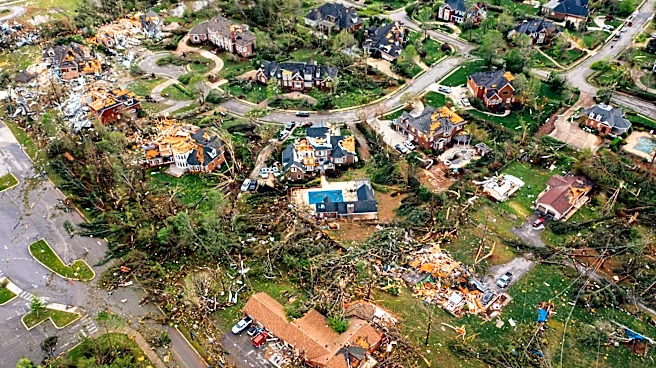
on a legitimate roof claim. Judge Palumbo denied State Farm's request to excuse Farney from the deposition. This ruling follows a similar order for Farney to appear for a deposition in a separate case in Comanche County. Attorneys for the Hurshes and other plaintiffs also secured a victory when 31 internal State Farm documents, previously sought to be withheld as confidential, were ordered to be made public. These documents, according to attorney Hannah Whitten of Whitten Burrage Law Firm, reveal a secret strategy by State Farm to reduce payouts on wind and hail damage claims nationwide, a plan that was expanded to every state by the end of 2020 after being rolled out in Dallas County, Texas, in June 2020. State Farm has defended its record on claim payouts, stating it has paid over $1 billion to Oklahoma customers for wind and hail damage in the past two years.
Why It's Important?
This development is significant for homeowners across the U.S., particularly those in areas prone to severe weather events like wind and hail storms. The unsealing of internal State Farm documents and the order for its CEO to testify could provide unprecedented transparency into how major insurance companies handle such claims. If the allegations of a deliberate strategy to reduce payouts are substantiated, it could set a precedent for how insurance companies are held accountable for their claims handling practices. This case highlights a broader legal battle in Oklahoma, where the state Attorney General and numerous homeowners have raised similar concerns about insurer conduct. The outcome could influence regulatory oversight and consumer protection measures, potentially leading to changes in how insurance claims are processed and paid out, affecting both policyholders and the insurance industry's operational standards.
What's Next?
The next step in this case will involve the scheduling and execution of CEO Jon Farney's deposition, though no specific date has been indicated in Judge Palumbo's order. The newly public internal documents will likely be scrutinized by legal teams and potentially by regulatory bodies, which could lead to further legal actions or investigations into State Farm's claims practices. The ongoing legal fight in Oklahoma, involving multiple similar cases, suggests that more revelations and legal challenges could emerge. The outcome of the Hursh case, and others like it, could influence how future wind and hail damage claims are handled by State Farm and potentially other insurers across the country. Stakeholders, including homeowners, consumer advocacy groups, and insurance regulators, will be closely watching these proceedings for their implications on insurance policy and consumer rights.
Beyond the Headlines
The legal battle against State Farm extends beyond individual claim disputes, touching upon the ethical responsibilities of large corporations towards their policyholders. The alleged 'secret strategy' to reduce payouts on legitimate claims raises questions about corporate governance and the balance between profitability and consumer protection. If such practices are widespread, it could erode public trust in the insurance industry, leading to calls for more stringent regulations and oversight. This case also underscores the power dynamics between individual homeowners and large insurance entities, highlighting the challenges policyholders face in contesting claim denials. The transparency gained through court-ordered document releases and executive depositions could empower consumers and inform future legislative efforts aimed at safeguarding policyholder rights against potentially unfair insurance practices.