





What's Happening?
The current discourse around home office setups highlights a strong emphasis on personalization and functionality, catering to individual needs and preferences. For individuals who already possess essential items like a preferred chair and desk, companies
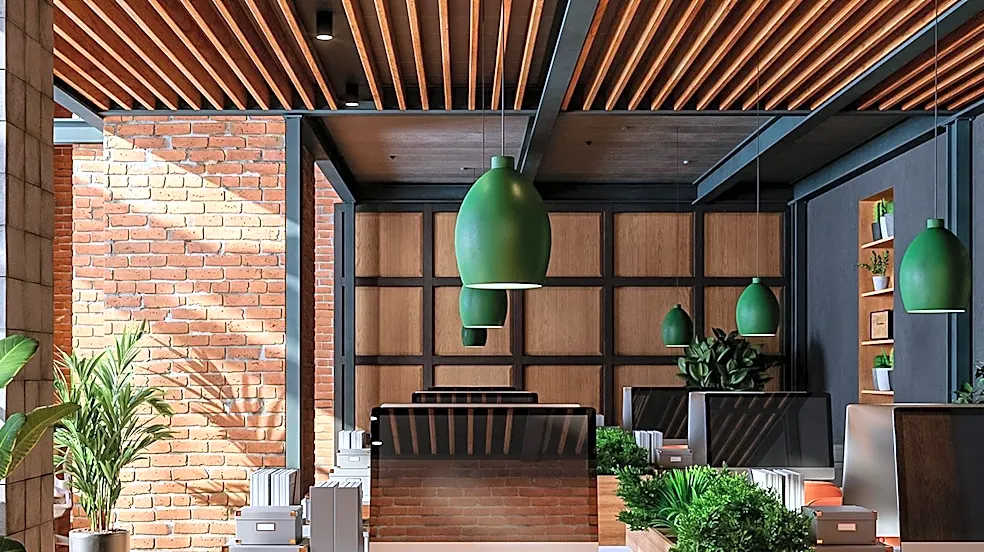
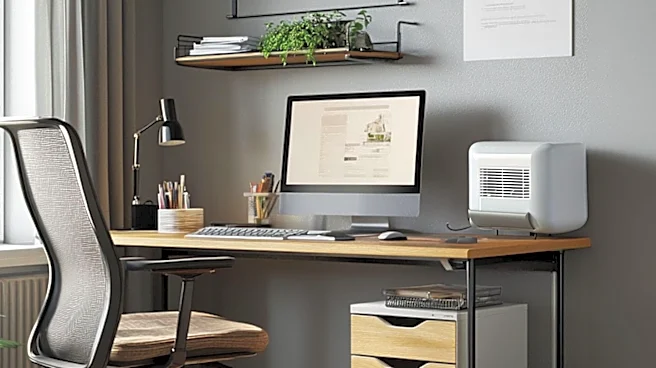
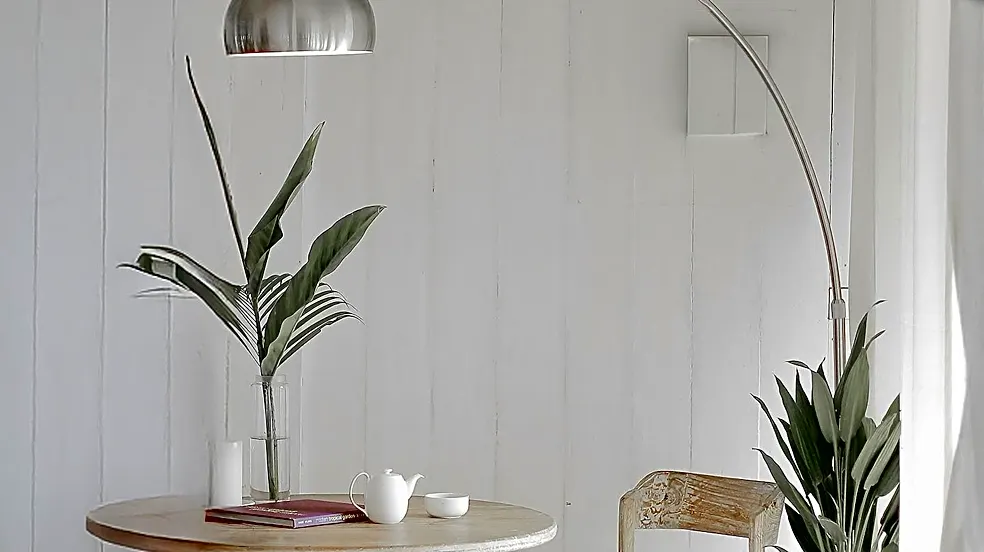
such as Vitrazza suggest supplementary accessories. These include practical items like a Glass Chair Mat, a Wood Monitor Riser, a comfortable Leather Footrest, a sophisticated Leather Mouse Pad, or an organized Leather Valet Tray. Beyond mere utility, there's a growing trend towards creating more enjoyable and aesthetically pleasing workspaces. Trendir showcases creative office setups that seamlessly integrate personal style with practical design, such as matching workstations beneath a long wooden counter, enhanced with LED underlighting for improved ambiance and visibility. This approach moves beyond basic requirements, aiming to transform home offices into spaces that foster productivity and well-being. Furthermore, for those working remotely, some companies, as noted by Indeed, are proactively providing all necessary equipment to ensure a fully functional and efficient remote work environment, underscoring the evolving support for home-based professionals.
Why It's Important?
The increasing focus on personalized and functional home office setups reflects a significant shift in the U.S. workforce, driven by the sustained prevalence of remote and hybrid work models. This trend has substantial implications for various industries, including office furniture manufacturers, technology providers, and interior design services. Companies that offer customizable solutions and ergonomic accessories stand to gain as consumers invest more in their home workspaces. The emphasis on creating 'enjoyable' workspaces also points to a broader societal recognition of the importance of employee well-being and mental health in a remote setting. A well-designed home office can boost productivity, reduce stress, and improve job satisfaction, ultimately benefiting both employees and employers. Conversely, businesses that fail to adapt to these evolving needs, either by not providing adequate remote work support or by not offering relevant products, risk losing market share and talent. This shift also impacts real estate, as demand for homes with dedicated office spaces or flexible rooms continues to rise, influencing housing market trends and urban planning.
What's Next?
Looking ahead, the trend of personalized home office setups is likely to continue evolving, with further integration of smart technology and sustainable design. We can anticipate an increase in demand for modular furniture solutions that can adapt to various living spaces and serve multiple functions, reflecting the often-limited space in urban dwellings. The market will likely see more innovations in ergonomic designs, focusing on long-term health and comfort for remote workers. Furthermore, as companies continue to refine their remote work policies, there may be a greater emphasis on standardized home office stipends or equipment packages, ensuring equitable access to essential tools for all employees. This could lead to new partnerships between corporations and office supply or furniture retailers. The development of virtual reality and augmented reality tools could also play a role, allowing individuals to design and visualize their ideal home office before making purchases, further enhancing the personalization aspect. The focus will remain on creating environments that are not only functional but also conducive to creativity and overall well-being.
Beyond the Headlines
Beyond the immediate practicalities, the evolution of home office setups touches upon deeper societal and cultural shifts. The investment in creating personalized and enjoyable home workspaces signifies a blurring of the lines between professional and personal life, challenging traditional notions of work-life balance. This trend suggests a growing desire among individuals to integrate their work more seamlessly into their home environment, reflecting a broader cultural movement towards holistic well-being. Ethically, this raises questions about employer responsibility in supporting remote workers' home environments, particularly concerning ergonomic health and mental well-being. Legally, there might be future considerations regarding tax deductions for home office expenses and regulations around remote work conditions. Culturally, the home office is transforming from a mere functional space into a reflection of personal identity and values, influencing interior design trends and consumer spending habits. This shift could also lead to a re-evaluation of urban planning, with a potential decrease in demand for large commercial office spaces and an increased focus on residential areas that support integrated living and working.