






What's Happening?
Park Hyatt has advanced the opening date for its inaugural all-inclusive resort in Mexico's Riviera Maya to December 3, moving it up from the previously announced January 8. The new resort, situated in the AMAI enclave between protected mangroves and
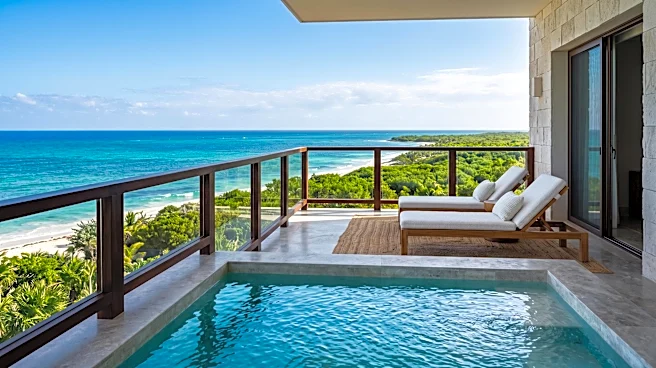
the Caribbean Sea, is approximately 20 minutes from Cancún International Airport. It features 148 ocean-view rooms and suites, four swimming pools, and a private beach. Every accommodation includes a private balcony overlooking the Caribbean, with some penthouse suites offering private plunge pools. The resort's design incorporates natural wood and stone, along with Mexican artisan work and pieces from its art collection. Guests will have access to approximately 1,000 feet of private beachfront and can enjoy food and drink service by the pools and beach. The all-inclusive package covers unlimited dining and beverages across seven restaurants and bars, 24-hour room service, and a daily replenished minibar. Dining options include a beachfront grill, a steakhouse, an all-day restaurant, and a pastry café, with Mexican wines featured in the beverage program. Additionally, guests receive access to the hydrotherapy facilities at Velara Spa & Wellness, and those booking directly with Hyatt for at least four nights will receive private chauffeured airport transfers.
Why It's Important?
The accelerated opening of Park Hyatt's first all-inclusive resort in the Riviera Maya signifies a strategic move by Hyatt to capture a larger share of the luxury all-inclusive market, particularly in a highly competitive and popular destination like Mexico. This development is important for the U.S. tourism industry as it provides another high-end option for American travelers seeking all-inclusive experiences, potentially influencing travel patterns and preferences. The emphasis on luxury amenities, such as ocean-view rooms, private beaches, diverse dining, and spa access, caters to a discerning clientele, which could drive up demand for premium travel services. For the local economy in Riviera Maya, the resort's operation will create jobs in hospitality, food service, and related sectors, contributing to economic growth. The inclusion of private airport transfers and access to local attractions like Puerto Morelos and cenotes also enhances the overall value proposition, potentially drawing more U.S. tourists to explore the region beyond the resort grounds. This expansion by a major U.S.-based hotel chain like Hyatt reflects confidence in the sustained growth of the luxury travel segment.
What's Next?
With the new December 3 opening date, Park Hyatt will focus on finalizing preparations for guest arrivals and establishing its operational standards for its first all-inclusive property. The resort will likely begin to receive its initial wave of guests, and feedback from these early visitors will be crucial for refining services and amenities. Hyatt will monitor booking trends and guest satisfaction to assess the success of this new venture and inform future all-inclusive developments. Competitors in the luxury all-inclusive market in Mexico and the wider Caribbean region will likely observe Park Hyatt's performance closely, potentially leading to adjustments in their own offerings or marketing strategies. The resort's proximity to Cancún International Airport and its comprehensive amenities are expected to attract a significant number of U.S. travelers, particularly during the upcoming winter travel season. Future marketing efforts will likely highlight the unique features, such as the ocean-view rooms, private beach, and extensive dining options, to solidify its position in the luxury travel segment.
Beyond the Headlines
The entry of a brand like Park Hyatt into the all-inclusive segment with a luxury offering in Riviera Maya could signal a broader trend in the hospitality industry towards elevating the all-inclusive experience. Traditionally, all-inclusive resorts have sometimes been associated with mass tourism, but this move by Park Hyatt suggests a shift towards more refined, high-end, and curated experiences within this model. This could lead to increased competition among luxury hotel brands to offer more exclusive amenities, personalized services, and unique cultural integrations, such as the resort's use of Mexican artisan work. The focus on wellness, with hydrotherapy facilities, also reflects a growing demand for health-conscious travel options. Furthermore, the strategic location near protected mangroves highlights a potential for increased emphasis on sustainable tourism practices, as luxury brands often face scrutiny regarding their environmental impact. This development could set new benchmarks for what constitutes a luxury all-inclusive vacation, influencing consumer expectations and industry standards for years to come.