


What's Happening?
Franklin Art Glass Studios in German Village is maintaining a century-old tradition of hand-making stained glass. Established in 1924, the studio, now led by fourth-generation artisan Andrea Reid, continues to produce stained glass using methods that
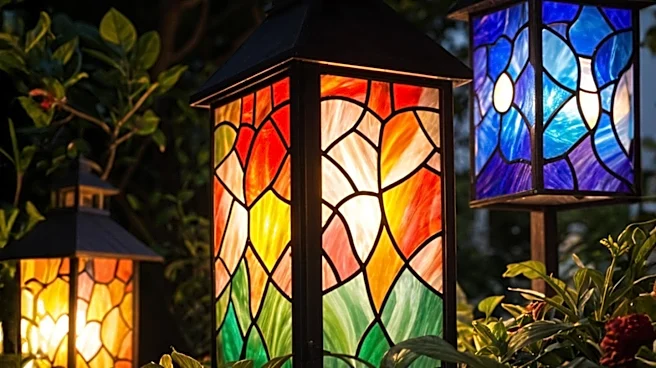
have remained unchanged since its inception. The process involves hand-sketching designs, cutting glass pieces to pattern, arranging and soldering them, and finally cementing the pieces to fill gaps, harden the lead, and waterproof the glass. The studio operates from a 23,000-square-foot plant with a 12,000-square-foot warehouse and offers custom orders, restorations, and a retail space selling decorations and crafting supplies. Many of the skilled glazers have worked at the studio for decades, contributing to the preservation of this traditional craft.
Why It's Important?
The continued operation of Franklin Art Glass Studios highlights the enduring value of traditional craftsmanship in an increasingly automated world. This studio not only preserves a unique art form but also serves as a cultural landmark in German Village, contributing to the local economy and heritage. Its commitment to century-old processes, eschewing modern computer-aided design, underscores a dedication to authenticity and the unique aesthetic qualities of handmade art. The studio's role in restoring stained glass for churches and other institutions also signifies its importance in preserving historical and architectural elements across communities. Furthermore, by offering crafting supplies, it fosters interest in traditional arts, potentially inspiring new generations of artisans and hobbyists.
What's Next?
Franklin Art Glass Studios is expected to continue its operations, focusing on custom stained glass orders and restoration projects. The studio will likely maintain its retail presence, offering decorations and crafting supplies to the public, which helps sustain interest in the craft. As Andrea Reid, a fourth-generation artisan, leads the studio, the legacy of handmade stained glass is poised to continue for the foreseeable future. The studio's unique position as one of the few remaining establishments practicing these traditional methods suggests a continued demand for its specialized services, particularly in restoration work for historical buildings and churches. The studio may also explore further community engagement through its retail offerings and potential workshops, further solidifying its place in the crafting community.
Beyond the Headlines
The persistence of Franklin Art Glass Studios in using century-old techniques in stained glass production raises broader questions about the balance between tradition and modernity in various industries. In an era where efficiency and mass production often dominate, the studio's dedication to time-intensive, handmade processes challenges contemporary norms. This commitment reflects a deeper cultural appreciation for artisanal quality, historical continuity, and the unique value of human skill. The studio's survival for over a century, despite economic challenges and changing artistic trends, speaks to the resilience of niche markets and the enduring appeal of bespoke craftsmanship. It also highlights the importance of intergenerational knowledge transfer in preserving specialized skills that might otherwise be lost.