





What's Happening?
Research indicates that foam rolling can provide immediate improvements in joint range of motion and may help reduce muscle soreness. However, its overall effectiveness in accelerating broader recovery or enhancing athletic performance is considered limited
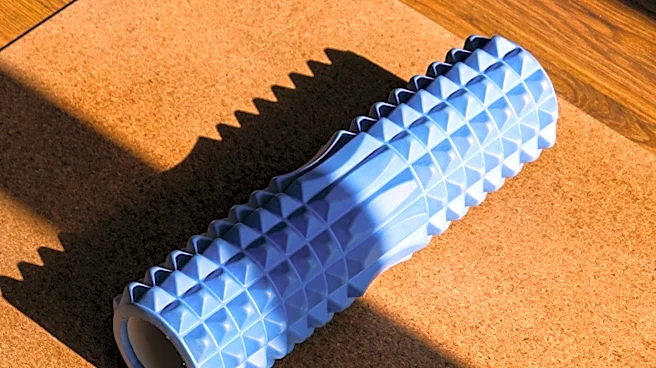
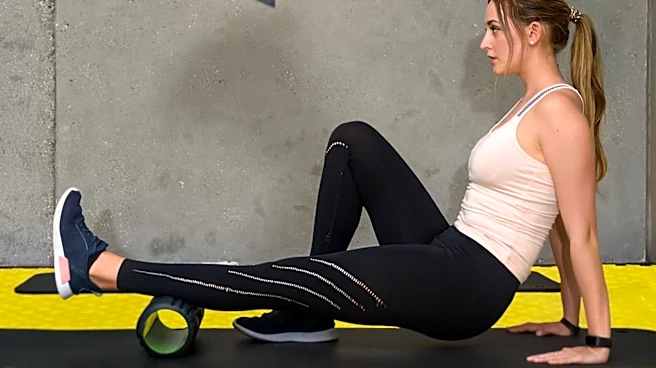
and inconsistent. While many individuals experience a reduction in stiffness and discomfort immediately after foam rolling, the exact physiological mechanisms behind these effects are still under investigation. Experts, including Dr. David Behm from Memorial University of Newfoundland, suggest that foam rolling serves as an optional tool for mobility and soreness management rather than an essential component of every workout. The practice involves applying pressure to muscles and surrounding tissues, which can temporarily make an area feel less stiff. Despite its perceived benefits, the evidence does not support foam rolling as a 'miracle recovery technique' or a substitute for fundamental recovery practices like adequate sleep and nutrition. Some systematic reviews have shown it can reduce delayed onset muscle soreness (DOMS) and muscle stiffness, while others found no consistent improvement in recovery markers compared to no intervention.
Why It's Important?
The findings on foam rolling are important for athletes, fitness enthusiasts, and healthcare professionals in the U.S. as they clarify its role in exercise and recovery routines. Understanding that foam rolling primarily offers acute mobility and soreness relief, rather than significant long-term recovery benefits, can help individuals set realistic expectations and optimize their training protocols. This distinction can prevent over-reliance on foam rolling as a primary recovery method, encouraging a more holistic approach that includes proper nutrition, hydration, and sufficient rest. For the fitness industry, this research can guide the development of more evidence-based recovery programs and product recommendations. It also highlights the importance of distinguishing between feeling better and actual physiological recovery, which can influence how individuals perceive and manage post-exercise discomfort. The emphasis on foam rolling as a mobility tool suggests its potential utility in pre-workout routines to improve range of motion, which can contribute to injury prevention and enhanced performance during exercise.
What's Next?
Given the current understanding, future research will likely focus on further elucidating the precise mechanisms through which foam rolling impacts muscle tissue and neurological responses. This could involve more standardized study designs to address the inconsistencies observed in previous systematic reviews. For individuals, the recommendation is to continue using foam rolling if it provides subjective relief and improves mobility, particularly before training sessions. However, it should be integrated as part of a broader recovery strategy that prioritizes sleep, nutrition, and appropriate training loads. Fitness professionals may refine their guidance, emphasizing foam rolling's role in acute symptom management and mobility rather than as a primary recovery accelerator. The development of new tools and techniques for muscle recovery will also likely consider these findings, potentially leading to more targeted and effective interventions that complement or surpass the benefits of foam rolling.
Beyond the Headlines
The discussion around foam rolling extends beyond its immediate physical effects to touch upon the psychological aspects of recovery and the placebo effect. The 'good feeling' reported by many users, even if not directly correlated with accelerated physiological recovery, holds practical value. This highlights the importance of subjective well-being in fitness and recovery, where feeling less stiff or more comfortable can positively impact adherence to exercise routines and overall motivation. Ethically, it underscores the responsibility of fitness professionals and product manufacturers to provide accurate information about the benefits and limitations of recovery tools. Culturally, the widespread adoption of foam rolling reflects a growing interest in self-care and injury prevention within the fitness community. This trend encourages individuals to take a more active role in managing their physical health, even if the scientific understanding of certain practices is still evolving. The ongoing research into foam rolling also exemplifies the dynamic nature of sports science, where established practices are continually re-evaluated through rigorous scientific inquiry.