




What's Happening?
Scandinavian style is gaining popularity in modern home design across the USA, characterized by its blend of aesthetics, minimalism, and functionality. This design philosophy, originating from Nordic countries, prioritizes the elimination of unnecessary
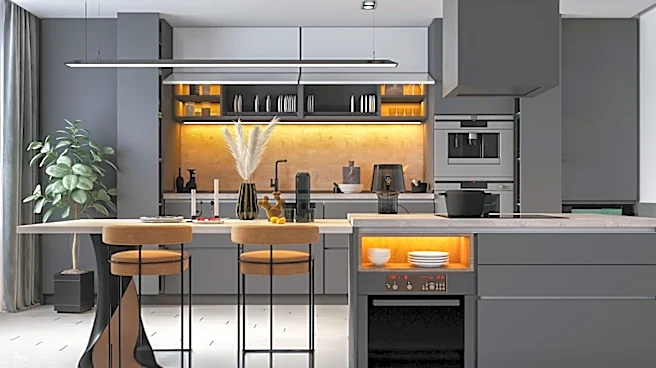
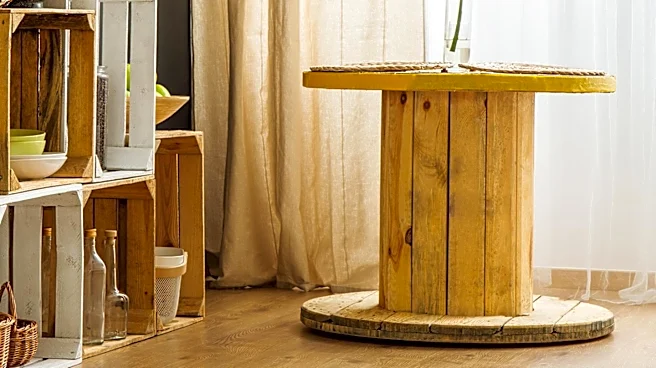
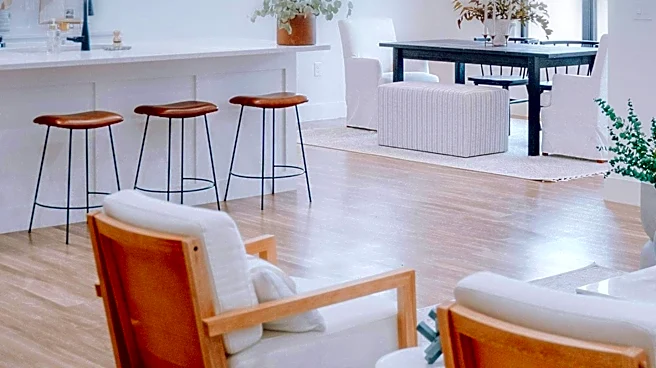
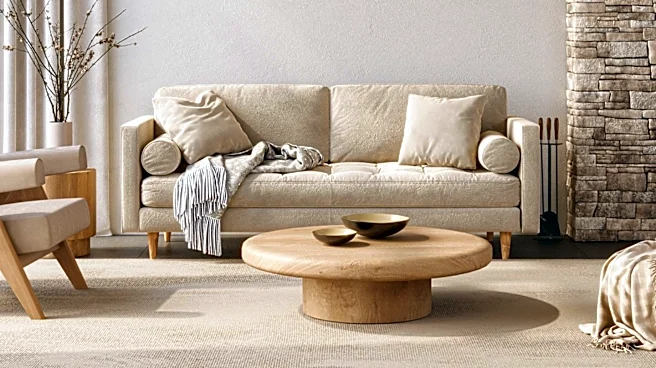
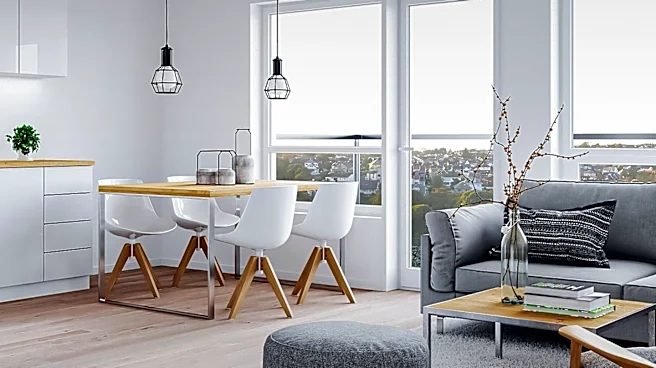
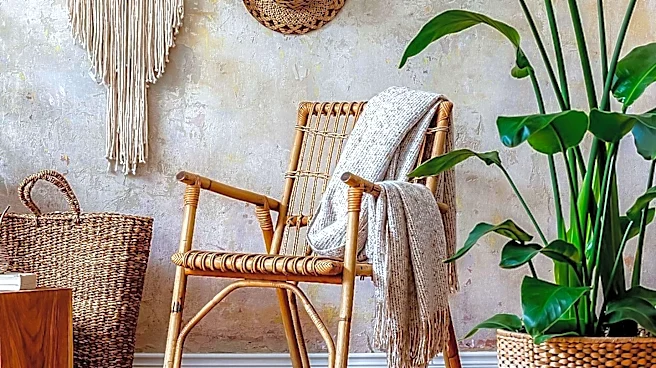
details, focusing instead on essential elements to create tidy, comfortable, and airy living spaces. Key features include the use of bright, light colors such as white, light gray, and beige to enhance light reflection and visually expand rooms, making it particularly suitable for smaller urban apartments. Natural materials like wood, linen, and wool are central, bringing warmth and connecting indoor spaces with nature. The style emphasizes natural light through large windows and thin curtains, and incorporates greenery to further enhance this connection.
Why It's Important?
The rise of Scandinavian design in the USA reflects a growing preference for minimalist living and optimized space, especially in urban areas where living spaces are often compact. This style offers practical solutions for maximizing efficiency and functionality without sacrificing aesthetic appeal. Its focus on natural light and materials contributes to improved well-being and a more sustainable living environment, aligning with increasing consumer demand for eco-friendly and health-conscious home solutions. For the U.S. housing market, this trend influences interior design choices, furniture manufacturing, and architectural planning, promoting designs that are both visually appealing and highly functional. It also provides a blueprint for creating serene and uncluttered homes that can reduce stress and enhance daily life experiences.
What's Next?
As Scandinavian design continues to influence U.S. home aesthetics, we can anticipate further integration of its principles into mainstream architecture and interior design. This may lead to an increased demand for minimalist furniture, natural and sustainable building materials, and design services specializing in functional, light-filled spaces. The trend could also spur innovation in multi-functional furniture and smart home solutions that complement the minimalist ethos. Furthermore, as urban populations grow, the emphasis on optimizing small living areas will likely drive continued adoption of Scandinavian design elements, potentially influencing building codes and urban planning to prioritize natural light and efficient space utilization. The style's adaptability also suggests it will continue to be combined with other design trends, maintaining its relevance.
Beyond the Headlines
The widespread adoption of Scandinavian design in the USA signifies more than just a stylistic preference; it reflects a deeper cultural shift towards valuing simplicity, well-being, and sustainability. In a society often characterized by consumerism and clutter, this minimalist approach offers a counter-narrative, encouraging a more intentional and less materialistic way of living. It highlights the psychological benefits of an uncluttered environment, promoting mental clarity and a sense of calm. Ethically, the emphasis on natural and environmentally friendly materials aligns with broader movements towards responsible consumption and reduced ecological footprint. Culturally, it demonstrates how design can profoundly impact daily life, fostering a sense of coziness and connection to nature even within bustling urban settings, thereby influencing overall lifestyle choices and priorities.