







What's Happening?
Artful Living Magazine delves into the concept of silence as a luxury and its impact on well-being, suggesting that true restoration comes not from a complete lack of sound, but from sensory reduction across multiple channels. The article highlights that while
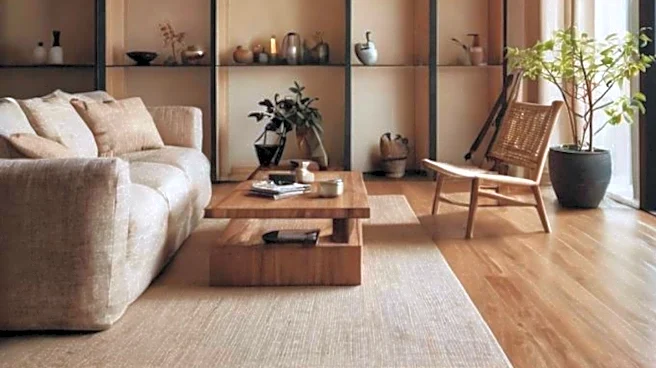
modern wellness culture often focuses on adding practices, genuine well-being might be achieved by subtracting unwanted stimuli. British interior designer Kit Kemp emphasizes that silence is a feeling, and a visually rich room can still evoke quietness. Emma Orfield Johnston, head of therapeutics at Orfield Therapeutics, defines noise as 'any unwanted or excessive level of stimulus,' extending beyond acoustics to include visual glare, drafts, and scents. The article suggests that people often seek privacy and sensory reduction rather than absolute silence, which can be disorienting.
Why It's Important?
This exploration of sensory reduction has significant implications for U.S. design, architecture, and wellness industries. As urban environments become increasingly noisy and stimulating, there's a growing market for spaces that offer respite. This understanding can influence how homes, offices, and public spaces are designed, prioritizing elements like acoustic comfort, controlled lighting, and subtle scents. For consumers, it redefines what constitutes a 'wellness' feature, shifting focus from overt amenities to fundamental environmental qualities. Businesses in interior design, real estate, and hospitality can leverage these insights to create more restorative environments, potentially increasing demand for specialized materials and design services that promote sensory balance. This also impacts mental health, as reducing sensory overload can alleviate stress and improve cognitive function.
What's Next?
The insights from this article are likely to drive further innovation in design and product development aimed at sensory reduction. We can expect to see an increased demand for sound-absorbing materials, smart lighting systems that mimic natural light cycles, and air purification systems that control scents in residential and commercial spaces. Interior designers and architects may incorporate 'perceptual silence' principles into their projects, creating zones within buildings specifically designed for quiet contemplation or focused work. The hospitality industry, in particular, may develop more 'sensory-friendly' rooms or dedicated quiet zones to cater to guests seeking deep relaxation. Educational efforts will also be crucial to inform consumers about the benefits of sensory reduction and how to implement it in their daily lives.
Beyond the Headlines
The article touches upon a profound aspect of human experience: our relationship with our environment and its impact on our inner state. The idea that 'silence is a feeling' rather than just an absence of sound challenges conventional thinking and encourages a more holistic view of well-being. In a society saturated with information and constant stimulation, the deliberate act of 'editing what we take in' becomes a radical form of self-care. This perspective has ethical implications for urban planning and product design, urging creators to consider the long-term sensory impact of their creations on human health. It also highlights the potential for design to foster mindfulness and presence, allowing individuals to reconnect with themselves in an increasingly distracting world.