




What's Happening?
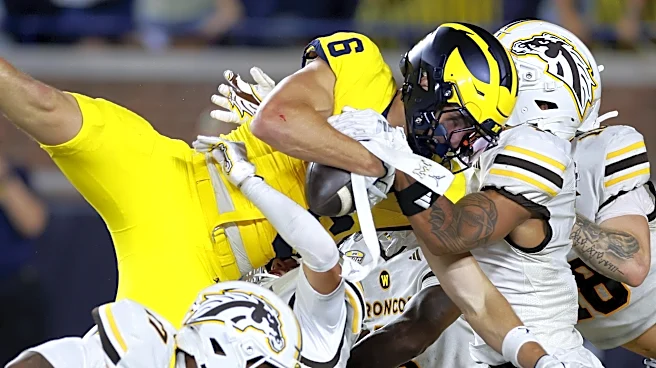
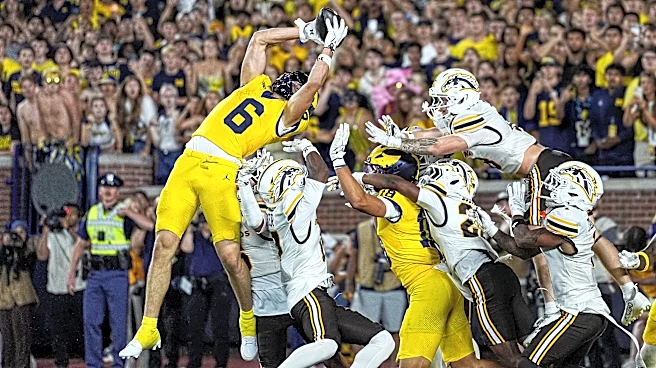
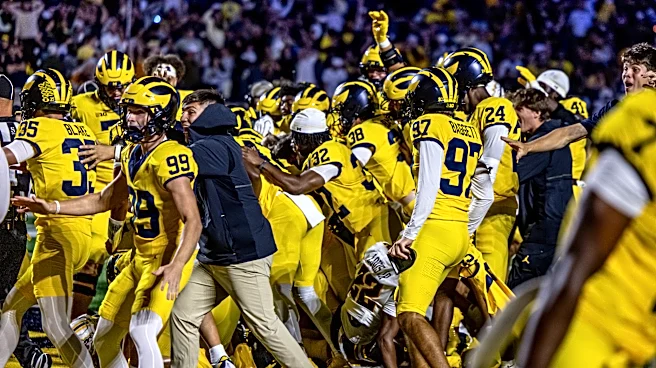
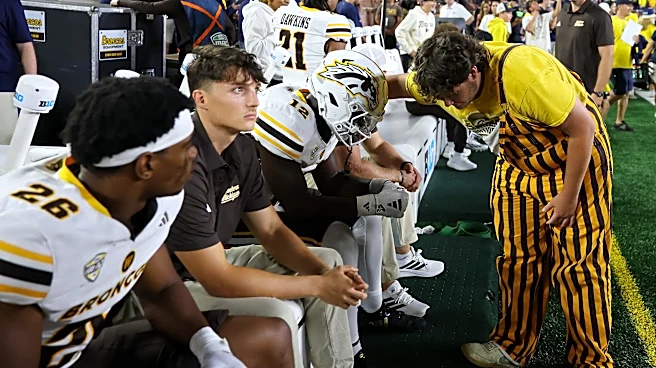
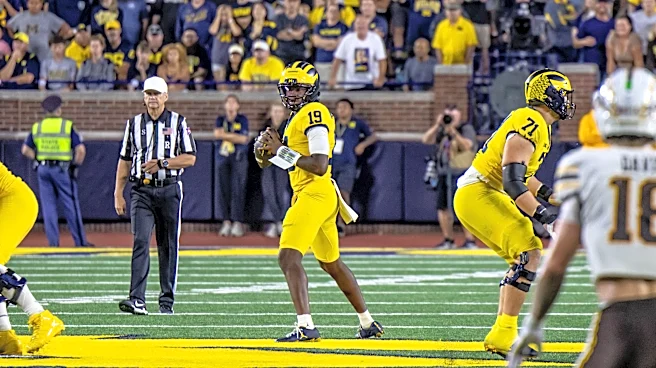
The Big Ten conference has issued an explanation regarding the controversial ending of the Michigan vs. Western Michigan football game on Saturday, September 5. The game concluded with Michigan securing a 13-12 victory after officials added one second
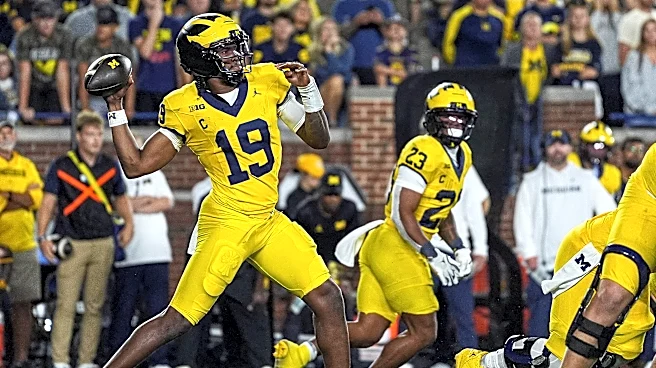
back to the game clock, allowing for a game-winning 47-yard Hail Mary pass. This decision followed a video review of Bryce Underwood's initial Hail Mary attempt, which appeared to occur after the clock had expired. According to the Big Ten, the review determined that Western Michigan's player #18 was out of bounds when he made contact with the ball with one second remaining on the clock. This contact, originating from an out-of-bounds position, stopped the clock per NCAA Football rule 4-2-3-a. The conference stated that broadcast cameras used for the replay system, including a direct shot of the stadium clock, are synced using a strobe system to ensure accuracy. Western Michigan officials had sought clarity on the ruling, prompting the Big Ten's detailed explanation.
Why It's Important?
This incident highlights the critical role of video replay technology and officiating in high-stakes college football games, particularly when game outcomes hinge on fractions of a second. The Big Ten's detailed explanation aims to uphold the integrity of the game and maintain transparency in officiating decisions, which is crucial for fan confidence and fair play. Controversial calls can significantly impact team standings, player morale, and even financial implications for athletic programs through sponsorships and broadcast rights. The adherence to specific NCAA rules, such as the one cited regarding out-of-bounds contact, underscores the complex regulatory framework governing college sports. The public questioning by Western Michigan officials and the subsequent need for a conference-level explanation demonstrate the intense scrutiny under which major athletic events operate and the importance of clear, consistent application of rules.
What's Next?
While the Big Ten has provided its explanation, the immediate aftermath may involve continued discussion and debate among sports analysts, fans, and potentially other college football conferences regarding the application of replay rules. Western Michigan's acknowledgment of the explanation suggests the matter may be considered closed from an official standpoint, but the controversy could fuel broader conversations about the precision and interpretation of game rules in critical moments. Future games, especially those with close finishes, will likely see increased scrutiny on officiating decisions and the use of video replay. This event could also prompt internal reviews within the Big Ten or NCAA to ensure that replay protocols are robust and clearly communicated to avoid similar disputes in the future, potentially leading to refinements in how such plays are reviewed and explained.
Beyond the Headlines
The incident transcends a simple game outcome, touching upon the broader implications of technology in sports and the human element of officiating. The reliance on synced broadcast cameras and strobe systems for precise timing underscores the increasing technological sophistication in sports, yet it also reveals the persistent challenges in interpreting complex rules in real-time. This event could contribute to ongoing discussions about the balance between technological accuracy and the subjective judgment of officials. Furthermore, the emotional response from fans and the public questioning by a university highlight the deep cultural significance of college football in the U.S., where game outcomes can have far-reaching impacts beyond the field, influencing community pride, alumni engagement, and the overall narrative of a season. It also serves as a reminder of the constant pressure on sports organizations to maintain credibility and fairness.