



What's Happening?
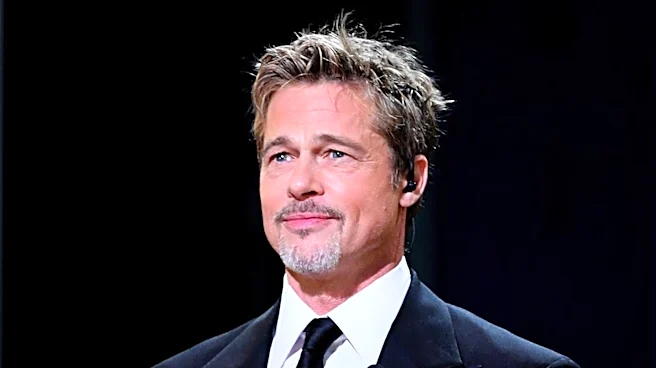
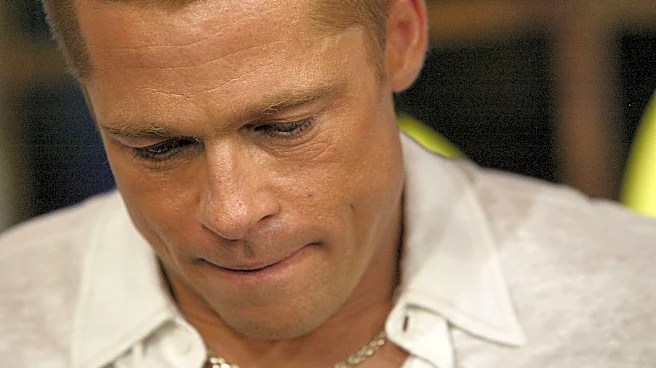
Paramount Pictures has confirmed that the sequel to the 2013 film 'World War Z' is back in active development. Brad Pitt, who starred as Gerald Lane in the original movie, provided an update on the project, stating that script work is currently focused
on developing 'zombie logic' and finding a fresh approach to the zombie genre. Edward Berger, known for directing the Oscar-winning film 'All Quiet on the Western Front,' is attached to direct the sequel. The original film, loosely based on Max Brooks' 2006 novel, grossed over $540 million worldwide. Discussions for a sequel have been ongoing for more than 13 years, with several previous attempts to get the project off the ground. While Pitt indicated that filming could potentially begin next year if the script is finalized, no release date, budget, or expanded cast details have been disclosed.
Why It's Important?
The revival of the 'World War Z' sequel is significant for Paramount Pictures, as the original film's substantial global box office success ($540 million) provides a strong commercial incentive to revisit the franchise. For the entertainment industry, this signals a continued trend of studios investing in established intellectual properties with proven audience appeal, even after long periods of dormancy. The involvement of Edward Berger, an Academy Award-winning director, suggests a potential shift in creative direction or a higher artistic ambition for the sequel, which could attract a broader audience beyond typical zombie film enthusiasts. The success of this sequel could influence future studio decisions regarding the development of long-gestating projects and the value placed on established franchises in a competitive market.
What's Next?
The immediate next step for the 'World War Z' sequel is the completion of its script. Brad Pitt emphasized that the script needs to offer a fresh perspective on the zombie genre to move forward. If the script is finalized to the satisfaction of the creative team and the studio, filming could potentially commence as early as next year, according to Pitt. Following script approval and the start of production, further announcements regarding the cast, specific plot details, and a release date would likely follow. The project's progress will depend heavily on the script's development and the studio's confidence in its ability to deliver a commercially and critically successful follow-up to the original film.
Beyond the Headlines
The protracted development of the 'World War Z' sequel, spanning over a decade, highlights the complex challenges in bringing successful franchises back to the screen. It underscores the industry's struggle to balance commercial viability with creative innovation, especially in well-trodden genres like zombie apocalypse narratives. The emphasis on finding 'fresh' zombie logic reflects a broader industry trend of seeking to reinvent or elevate genre films to maintain audience engagement and critical relevance. This long gestation period also illustrates the significant financial and logistical hurdles involved in major studio productions, where securing the right director, script, and star can take years. The eventual success or failure of this sequel could offer insights into the longevity of franchise appeal and the effectiveness of delayed follow-ups in an evolving cinematic landscape.