




What's Happening?
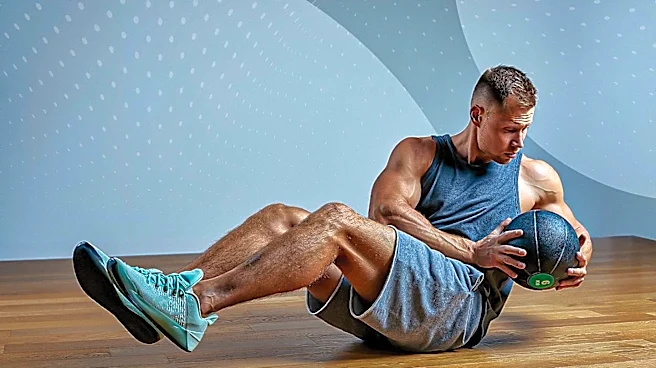
Core workouts are designed to stabilize the spine and facilitate force transfer throughout the body, moving beyond the common misconception that they are solely for achieving visible abdominal muscles. These workouts incorporate a variety of exercises
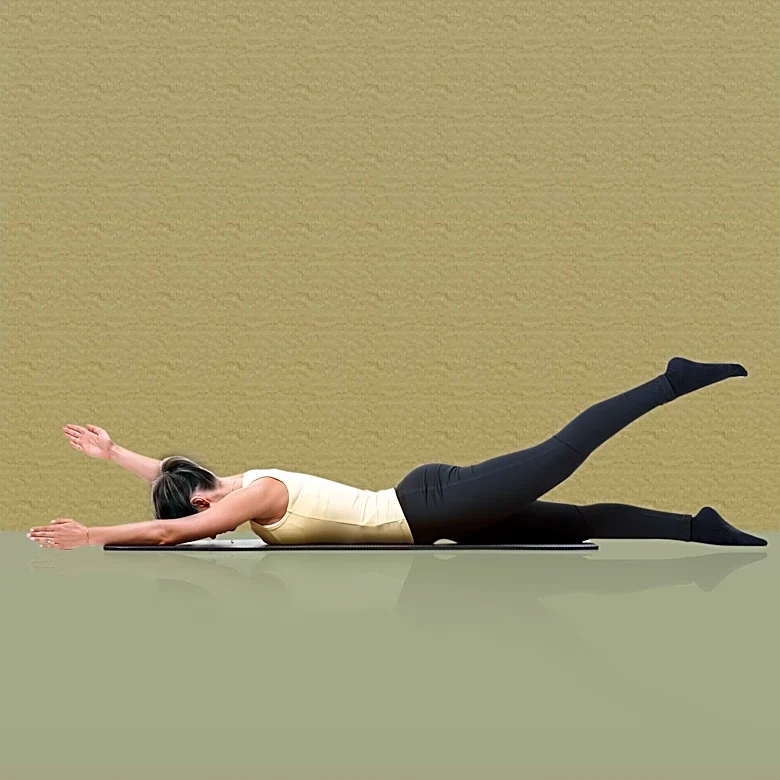
such as planks, dead bugs, glute bridges, bird dogs, and side planks, which can be performed without specialized equipment. The focus is on engaging a group of muscles that wrap around the middle, including the deep transverse abdominis, obliques, lower back muscles, glutes, and pelvic floor, which act as a natural corset for the spine and pelvis. Starting with 2 to 3 short sessions per week, individuals are advised to concentrate on controlled movements and steady breathing, gradually increasing hold times and repetitions. The effectiveness of these exercises lies in their ability to build stability and strength, which is crucial for various physical activities and everyday movements.
Why It's Important?
The emphasis on core stability and force transfer is vital for overall physical health and performance, impacting various aspects of daily life and athletic endeavors. A strong core helps prevent lower back pain, a leading cause of disability, by providing essential support and alignment for the spine and pelvis. For athletes, particularly runners, a stable core ensures efficient transfer of power from the lower to upper body, improving performance and reducing injury risk. The ability of the core to resist external forces and maintain stability during movement is more beneficial than dynamic exercises like traditional sit-ups, which can place undue stress on the lower back. This approach to core training supports better posture, more efficient movement, and enhanced resilience during intense physical activity, making it a foundational element for a healthy and active lifestyle.
What's Next?
Individuals beginning core training should start with foundational exercises like planks, dead bugs, glute bridges, bird dogs, and side planks, performing 2 to 3 short sessions weekly. The progression involves gradually increasing hold times and repetitions, ensuring that each movement is controlled and steady before advancing to more challenging variations. For instance, plank holds can be extended from 20 to 45 seconds, and side planks can progress from knee support to full-body support. Incorporating pauses at the peak of movements, such as glute bridges or bird dogs, can further enhance control and strength. The key is to make small, incremental adjustments to difficulty, prioritizing proper form over speed or volume to prevent injury and maximize effectiveness. This systematic approach ensures continuous improvement and adaptation of the core muscles.
Beyond the Headlines
The shift in understanding core training from aesthetic-driven abdominal exercises to functional stability and force transfer highlights a broader evolution in fitness philosophy. This approach underscores the interconnectedness of the body's muscular systems and the importance of foundational strength for overall well-being. Ethically, it promotes a healthier, more sustainable approach to fitness by reducing the risk of injury associated with high-volume, improper exercises. Culturally, it challenges the pervasive myth of 'spot reduction' and encourages a holistic view of body composition, where diet and overall training are recognized as primary drivers for visible results. This deeper understanding can lead to more effective and safer training programs, fostering long-term physical health rather than short-term, superficial gains, and empowering individuals to engage in physical activity with greater confidence and resilience.