






What's Happening?
The fashion industry is facing significant challenges due to unpredictable weather patterns caused by climate change, which are disrupting traditional seasonal collection calendars. Historically, fashion collections have aligned with predictable seasons
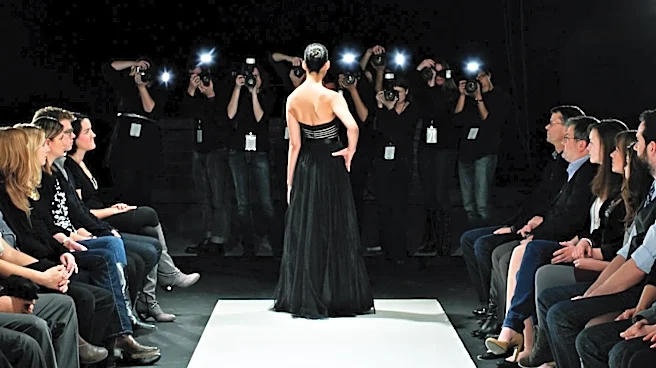
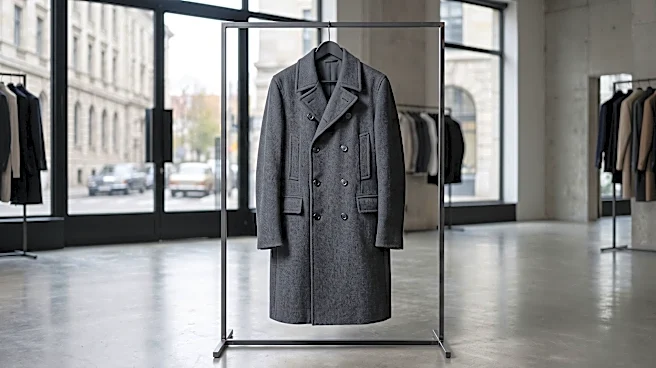
like spring/summer and autumn/winter, influencing design, production, and consumer purchasing habits. However, recent events, such as unusually warm temperatures during traditional autumn months in London and heatwaves during Paris Men’s Fashion Week, highlight a growing disconnect between the fashion calendar and actual weather conditions. This discrepancy forces brands to reconsider their long-standing practices, as designing for specific seasons becomes increasingly difficult when those seasons no longer follow predictable patterns. The issue extends beyond mere discomfort at fashion shows, impacting the entire business model from inventory planning to consumer demand. Brands plan collections months in advance, and if a winter coat arrives in stores during unseasonably warm weather, it may not sell, leading to unsold stock and increased pressure for discounts. This situation prompts a critical re-evaluation of how the industry approaches design, production, and retail strategies in a rapidly changing climate.
Why It's Important?
The disruption of seasonal fashion calendars by climate change has profound implications for the U.S. fashion industry and its economic stakeholders. Brands face increased financial risks due to misaligned inventory and reduced sales when products designed for specific weather conditions arrive during unseasonable periods. This can lead to significant losses from unsold stock and the need for heavy discounting, impacting profitability and supply chain stability. Furthermore, the traditional model of fashion, which relies on distinct seasonal collections, may become obsolete, forcing companies to innovate their design and production processes. This shift could lead to a greater emphasis on versatile, trans-seasonal garments and more agile supply chains capable of responding to real-time weather data. Consumers may also alter their purchasing habits, prioritizing practicality and immediate wearability over adherence to traditional seasonal trends. The industry's ability to adapt will determine which brands thrive and which struggle, potentially leading to a restructuring of the market and new competitive landscapes.
What's Next?
The fashion industry is expected to explore various strategies to adapt to the changing climate. Brands may begin to integrate climate data more extensively into their design and production decisions, moving away from rigid seasonal calendars towards more flexible and responsive models. This could involve developing versatile garments that can be worn across different temperatures and adjusting product assortments based on regional weather patterns rather than global seasonal norms. Production processes might become more agile, reducing the commitment to large quantities of specific seasonal items months in advance. There may also be a shift towards more sustainable practices, as brands seek to minimize waste from unsold inventory. Stakeholders, including designers, buyers, and retailers, will need to collaborate to redefine the fashion calendar and supply chain. Consumers are likely to play a role by increasingly prioritizing versatile and practical clothing, influencing demand and further pushing the industry towards adaptation. The coming years will likely see significant innovation in how fashion is designed, produced, and marketed to align with a less predictable global climate.
Beyond the Headlines
Beyond the immediate economic and logistical challenges, the impact of climate change on fashion's seasonal calendar raises deeper ethical and cultural questions. The industry's historical reliance on distinct seasons has shaped consumer expectations, marketing narratives, and even the artistic expression of designers. A shift away from this model could fundamentally alter the cultural significance of fashion, moving it from a trend-driven, seasonal cycle to a more utilitarian, adaptable approach. This could challenge the very notion of 'newness' and 'exclusivity' that often drives consumer desire. Ethically, the industry faces pressure to reduce its environmental footprint, and adapting to climate change by producing more versatile and less disposable clothing aligns with sustainability goals. The need for flexibility might also encourage localized production and sourcing, potentially revitalizing regional textile industries and reducing global supply chain complexities. Ultimately, this evolution could lead to a more conscious and responsible fashion ecosystem, where design is driven by environmental realities as much as by aesthetic trends.