






What's Happening?
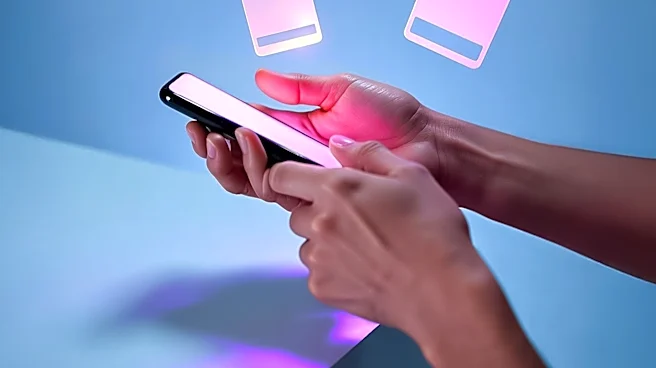
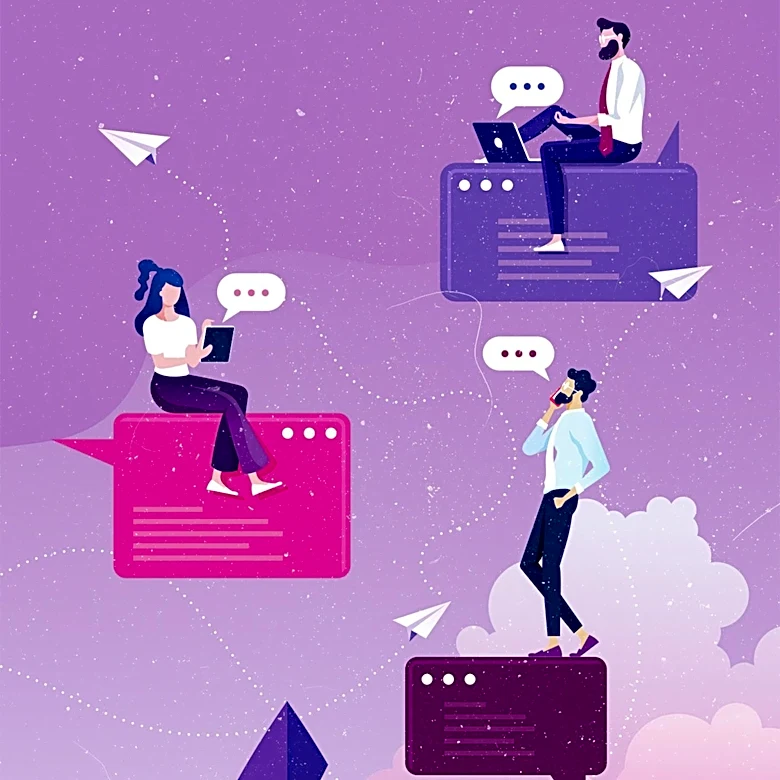
ReachLink's app is designed to facilitate 'blended care' therapy, which combines live therapy sessions with structured digital tools for use between appointments. The app includes features such as a mood tracker, a journal for inter-session writing, short
assessments, and a chat feature called Carebot. The core principle of blended care, as implemented by ReachLink, is the integration of these digital tools into the live therapy process. This means that the information logged or completed by the client in the app is reviewed and discussed by their therapist during sessions, shaping the ongoing treatment plan. This approach differs from standalone digital mental health apps by ensuring that digital activities are not merely supplementary but are integral to the therapeutic journey, providing continuity and personalized adjustments to care.
Why It's Important?
The blended care model, exemplified by ReachLink, is important because it addresses a critical gap in traditional therapy: the period between sessions. By integrating digital tools, clients can actively engage with their treatment plan on a daily basis, reinforcing therapeutic concepts and tracking progress in real-time. This continuous engagement can lead to more effective outcomes by allowing therapists to gain deeper insights into their clients' daily experiences and adjust interventions accordingly. For individuals, this means a more dynamic and responsive therapeutic experience, potentially accelerating progress and improving self-management skills. For the mental health industry, it represents an evolution towards more flexible and data-driven care, making therapy more accessible and tailored to individual needs, especially for those who benefit from structured exercises and consistent monitoring.
What's Next?
The adoption of blended care models like ReachLink's is expected to grow, influencing the future of mental health service delivery. We may see further development of AI-powered tools within these apps, offering more personalized feedback and support. The emphasis on integration means that future iterations will likely focus on seamless data flow between client activities and therapist review, potentially using advanced analytics to identify patterns and inform treatment strategies. Regulatory bodies may also develop more specific guidelines for blended care to ensure data privacy, security, and clinical efficacy. As more therapists become proficient in utilizing these digital tools, blended care could become a standard offering, expanding access to high-quality, continuous mental health support across the U.S.
Beyond the Headlines
The shift towards blended care raises profound questions about the nature of therapeutic relationships in a digital age. While digital tools offer efficiency and continuous engagement, the human element of therapy remains paramount. The challenge lies in leveraging technology to augment, rather than replace, the empathetic connection between therapist and client. This model also brings to light ethical considerations regarding data ownership, privacy, and the potential for algorithmic bias in personalized interventions. Furthermore, the success of blended care hinges on both client and therapist engagement with the digital components, requiring a new level of digital literacy and commitment from both parties. This evolution could redefine what constitutes 'care' in mental health, moving towards a more proactive, integrated, and technologically informed approach.