






What's Happening?
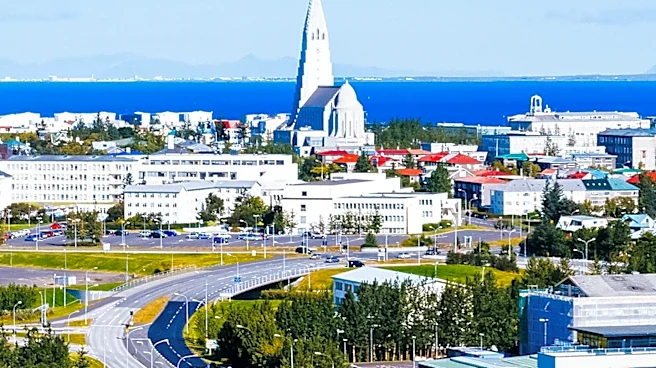
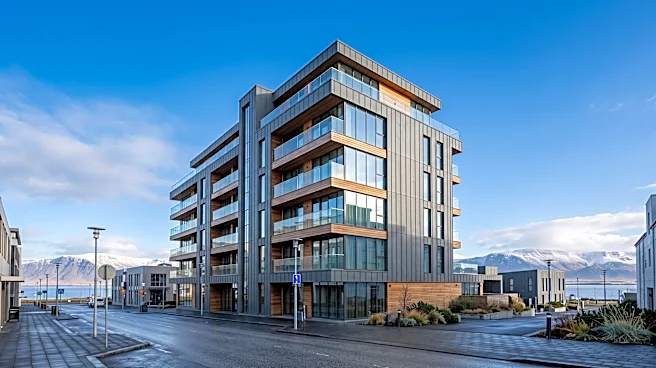
Reykjavik, Iceland's capital, is increasingly recognized as a vibrant center for culture, creativity, and adventure. Positioned as the world's northernmost capital, the city serves as a gateway to Iceland's unique landscapes, characterized by volcanoes,
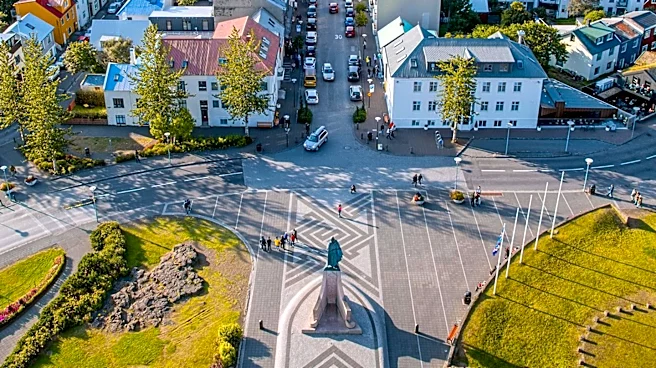
glaciers, and waterfalls. Visitors are drawn to its colorful architecture, including the iconic Hallgrímskirkja church, and a lively cultural scene featuring cozy cafés and various attractions. The city offers a blend of natural wonders and urban experiences, from geothermal baths like Sky Lagoon to cultural landmarks such as the Harpa concert hall and the Sun Voyager sculpture. Reykjavik is also a starting point for popular tours like the Golden Circle, which includes Þingvellir National Park, the Geysir geothermal area, and Gullfoss waterfall. The city's accessibility, with Keflavík International Airport located about 45 minutes away, further enhances its appeal as a tourist destination.
Why It's Important?
Reykjavik's growing prominence as a tourist destination signifies a broader trend in global travel, where unique cultural and natural experiences are highly sought after. For the U.S. tourism industry, this highlights the demand for specialized travel packages to destinations offering distinct adventures, potentially influencing how U.S. travel agencies curate their offerings. The city's success in blending natural beauty with a rich cultural scene provides a model for other regions looking to boost their tourism sectors. Economically, the influx of tourists contributes significantly to Iceland's economy, supporting local businesses, hospitality services, and cultural institutions. This also impacts international flight routes and travel logistics, as more airlines consider direct flights to accommodate the rising demand. The emphasis on sustainable tourism practices in such unique environments also sets a precedent for global travel standards.
What's Next?
As Reykjavik continues to gain popularity, further developments in its tourism infrastructure are anticipated. This may include an expansion of accommodation options, enhanced transportation services, and the introduction of new cultural and adventure tours. The city is likely to continue leveraging its natural attractions, such as whale watching and puffin tours, and its unique geothermal resources to attract visitors. Seasonal events, including the midnight sun in summer and opportunities to view the northern lights in colder months, will remain key draws. Travel agencies, including those in the U.S., are expected to increase their offerings for Iceland, potentially leading to more competitive pricing and diverse tour packages. Continued focus on sustainable tourism will also be crucial to manage the environmental impact of increased visitor numbers.
Beyond the Headlines
Reykjavik's rise as a global destination reflects a deeper shift in travel motivations, moving beyond conventional leisure to experiential and immersive journeys. This trend underscores a growing appreciation for unique ecological landscapes and distinct cultural identities. The city's ability to maintain its authentic charm while accommodating increasing tourism presents a case study in balancing economic growth with cultural preservation. Furthermore, the emphasis on natural wonders like the northern lights and geothermal activity highlights a broader human desire to connect with the natural world, offering a counterpoint to increasingly urbanized lifestyles. The success of Reykjavik also subtly influences global perceptions of remote destinations, transforming them from obscure locations into sought-after experiences, thereby broadening the scope of international travel and cultural exchange.