





What's Happening?
Safe Credit Union is highlighting the importance of secure login practices for its online banking portal to protect members from cybercriminals. The digital banking gateway, which offers 24/7 access to financial services, is a prime target for unauthorized
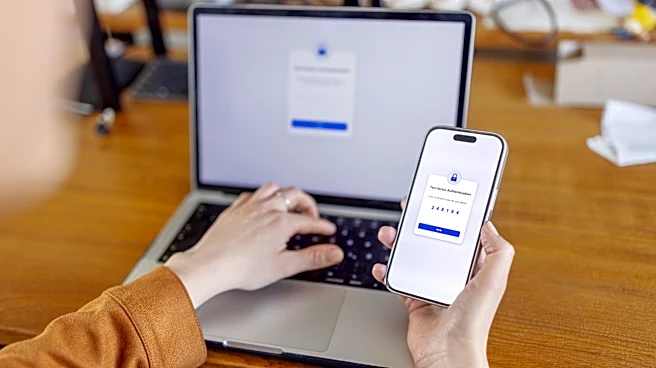
access. The credit union employs multiple layers of technological defenses, including encryption protocols like Secure Sockets Layer (SSL) and Transport Layer Security (TLS), which create secure 'https' connections. Additionally, Multi-Factor Authentication (MFA) is utilized, requiring a second verification method beyond a password, such as a code sent to a mobile phone. Members are advised to adopt strong password hygiene, using long, complex, and unique credentials, and to avoid easily guessable information. The institution also warns against phishing scams, urging members to verify sender email addresses, avoid clicking suspicious links, and look for red flags like poor grammar or urgent language in unsolicited messages.
Why It's Important?
The increasing reliance on digital banking makes secure access paramount for protecting personal financial data. Cybercriminals constantly target login portals, and any compromise can lead to significant financial losses and identity theft for credit union members. The emphasis on robust security measures by Safe Credit Union, such as encryption and MFA, is crucial for maintaining member trust and safeguarding sensitive information. However, the effectiveness of these measures also depends on individual member practices. Weak passwords or susceptibility to phishing scams can undermine even the strongest institutional security. This focus on both institutional and individual responsibility is vital for maintaining the integrity of the U.S. financial system and protecting consumers in an increasingly digital world.
What's Next?
Safe Credit Union will continue to invest in its digital infrastructure to provide a seamless and secure banking experience, with future advancements potentially including biometric authentication like fingerprint or facial recognition. Members are encouraged to proactively adopt best practices, such as regularly updating passwords, enabling MFA, and remaining vigilant against phishing attempts. The ongoing education of members about cybersecurity threats and safe online habits will be a continuous effort. Financial institutions across the U.S. are expected to further enhance their security protocols and collaborate with cybersecurity experts to stay ahead of evolving cybercriminal tactics, ensuring the safety of digital financial transactions for all users.
Beyond the Headlines
The discussion around secure digital banking access extends beyond technical safeguards to the broader issue of digital literacy and user behavior. While institutions implement robust security, the 'human element' remains a significant vulnerability. The constant need for vigilance against phishing and social engineering highlights a societal challenge in adapting to the complexities of the digital landscape. This situation also underscores the ethical responsibility of financial institutions to not only provide secure platforms but also to empower their users with the knowledge and tools to protect themselves. The future of financial security will increasingly depend on a collaborative partnership between institutions and individuals, where both parties actively contribute to a secure digital ecosystem, fostering a culture of cybersecurity awareness and proactive defense.