







What's Happening?
Former White House press secretary Kayleigh McEnany is among a roster of public figures who have been associated with Life Surge, a Christian wealth-building company now facing allegations of predatory sales tactics. The organization, which combines worship,
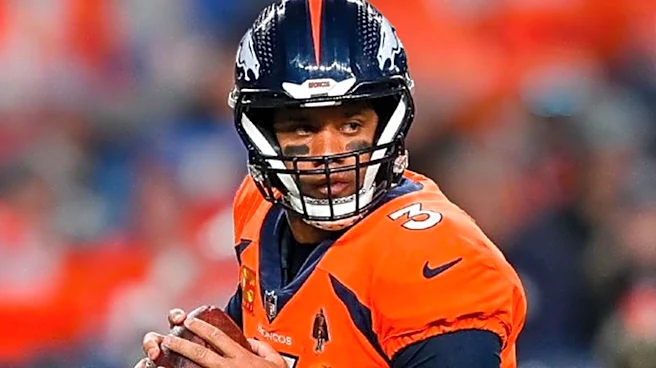
motivational speakers, and financial education, has drawn scrutiny after reports emerged of customers being pushed into expensive financial programs, sometimes incurring significant debt. While former NFL quarterback Tim Tebow recently paused his relationship with Life Surge due to these allegations, McEnany has been listed as a speaker alongside other prominent Christian leaders, Hollywood actors, athletes, and business personalities. Life Surge promotes its roster as 'influential voices in faith & finance.' The company has strongly disputed the characterization of its business as predatory, stating it does not encourage unmanageable debt and has invested in compliance efforts. The Federal Trade Commission (FTC) has received complaints about Life Surge, though these are allegations and not findings of wrongdoing.
Why It's Important?
The involvement of public figures like Kayleigh McEnany with organizations facing allegations of predatory practices raises significant questions about the responsibility of celebrities and political figures in endorsing or associating with commercial entities. Their presence can lend an aura of credibility and trust, particularly within faith-based communities, which can influence individuals to participate in programs they might otherwise scrutinize more closely. This situation highlights the potential for 'affinity fraud,' where trust within close-knit communities is exploited for financial gain, even if the public figures themselves are unaware of or not complicit in any alleged wrongdoing. For consumers, especially those seeking financial guidance within a faith context, the association of trusted personalities can obscure potential risks. For the public figures, it underscores the need for thorough due diligence when aligning with commercial ventures, as their reputation can be impacted by the actions of the organizations they support.
What's Next?
The ongoing scrutiny of Life Surge and similar organizations is likely to continue, potentially leading to further investigations by regulatory bodies like the FTC. The public figures associated with Life Surge, including Kayleigh McEnany, may face increased pressure to clarify their involvement or distance themselves from the company, especially if more allegations or official findings of wrongdoing emerge. This situation could also prompt a broader discussion within faith-based communities and among public figures about the ethical considerations of endorsing financial products or services. There may be calls for greater transparency from such organizations regarding their business practices and for more rigorous vetting processes by public figures before they lend their names and credibility. The outcome of any investigations into Life Surge could set precedents for how similar faith-and-finance ventures are regulated and how public figures are held accountable for their associations.
Beyond the Headlines
This situation delves into the complex intersection of faith, finance, and public influence. It highlights how deeply personal trust, often rooted in shared values or religious beliefs, can be leveraged in commercial contexts. The ethical dimension extends to the responsibility of those in positions of influence to protect their followers from potential exploitation, even if unintentional. Culturally, it reflects a growing trend of 'faith-based entrepreneurship' and the challenges of distinguishing genuine spiritual guidance from commercial ventures that may prioritize profit. The long-term implications could include a heightened awareness among consumers about financial literacy and the importance of independent verification, regardless of who is endorsing a product or service. It may also lead to a re-evaluation of the role of religious leaders and public figures in commercial endorsements, potentially fostering new guidelines or ethical standards within these communities to prevent future instances of alleged predatory practices.