




What's Happening?
Construction project management involves a structured approach to planning, coordinating, controlling, and supervising activities to ensure projects are delivered within defined parameters of time, cost, quality, and scope. This process is crucial for
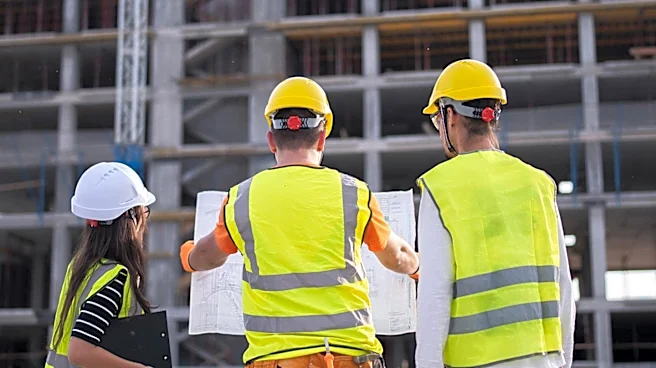
managing the numerous interconnected activities in construction, from design and material procurement to contractor selection and execution. Without proper management, projects face increased risks of delays, cost overruns, and quality compromises. Key elements include preparing detailed schedules, identifying critical activities, and planning material procurement to prevent stoppages. Effective cost control begins with clearly defining the project scope and accurately estimating costs before construction commences, while also avoiding late decisions that can significantly inflate expenses. The project manager's role is not to perform every specialist task but to ensure all teams work cohesively with correct information and according to a shared plan, thereby mitigating conflicts and unforeseen costs.
Why It's Important?
Effective construction project management is vital for the U.S. construction industry, which contributes significantly to the national economy. By ensuring projects are completed on time and within budget, it helps maintain economic stability and fosters growth in related sectors. Poor project management can lead to substantial financial losses for companies and clients, impacting investment confidence and potentially delaying critical infrastructure or housing developments. Balancing time, cost, and quality is paramount; compromising one factor can negatively affect the others, leading to substandard outcomes or increased long-term maintenance costs. This structured approach also promotes transparency and accountability among all stakeholders, from clients to contractors, which is essential for complex projects involving multiple teams and dependencies. Ultimately, robust project management practices enhance efficiency, reduce waste, and deliver higher-quality assets, benefiting both the immediate project participants and the broader economy.
What's Next?
The continuous evolution of construction project management practices will likely focus on integrating advanced technologies such as Building Information Modeling (BIM), artificial intelligence, and data analytics to further enhance planning, coordination, and control. These technologies can provide more accurate cost estimations, optimize schedules, and improve risk management by offering real-time insights into project progress and potential issues. There will also be an increased emphasis on sustainable construction practices, requiring project managers to incorporate environmental considerations and green building standards into their planning and execution. Furthermore, the industry may see a greater demand for specialized project managers who can navigate complex regulatory landscapes and manage diverse teams across various project types, from residential to large-scale commercial and infrastructure developments. Training and certification programs in construction project management will continue to be crucial for developing the skilled workforce needed to meet these evolving demands.
Beyond the Headlines
Beyond the immediate benefits of on-time and on-budget project delivery, effective construction project management has deeper implications for societal development and urban planning. Well-managed projects contribute to the creation of resilient infrastructure, safe housing, and functional commercial spaces that support community well-being and economic activity. The ethical dimension of project management involves ensuring fair labor practices, adherence to safety standards, and responsible resource allocation, which can prevent accidents and promote social equity. Culturally, successful projects can become landmarks that define cityscapes and reflect community values, fostering a sense of pride and identity. In the long term, the adoption of sophisticated project management methodologies can drive innovation in construction techniques and materials, leading to more sustainable and efficient building practices. This continuous improvement not only addresses current construction challenges but also prepares the industry for future demands, including climate change adaptation and rapid urbanization.