



What's Happening?
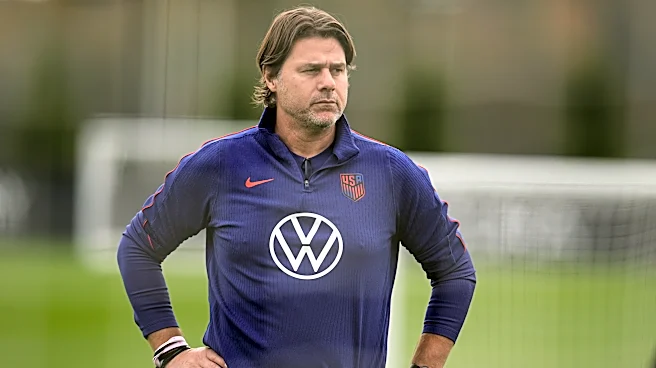
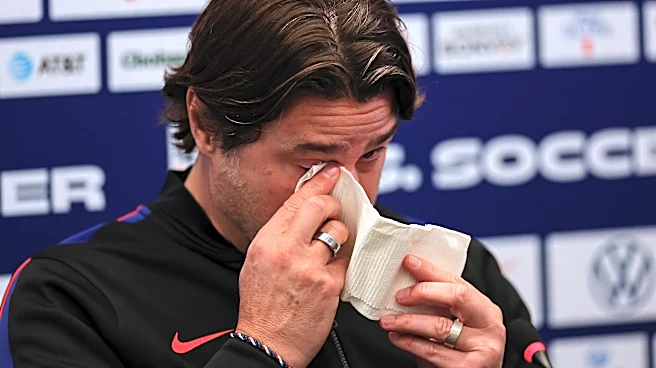
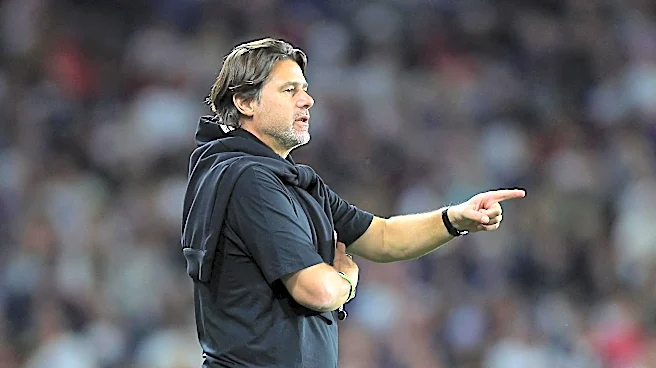
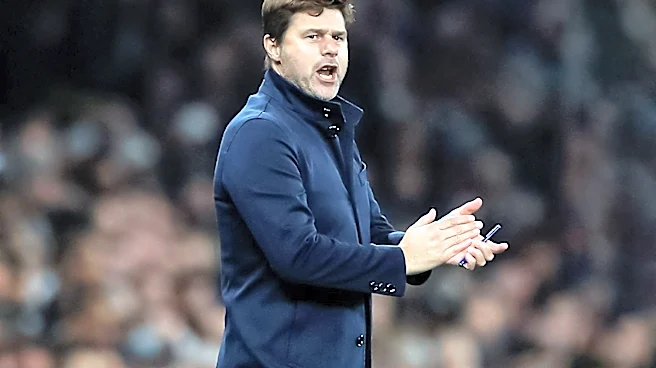
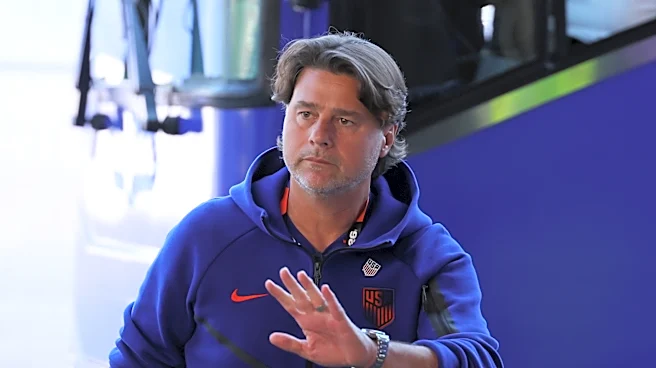
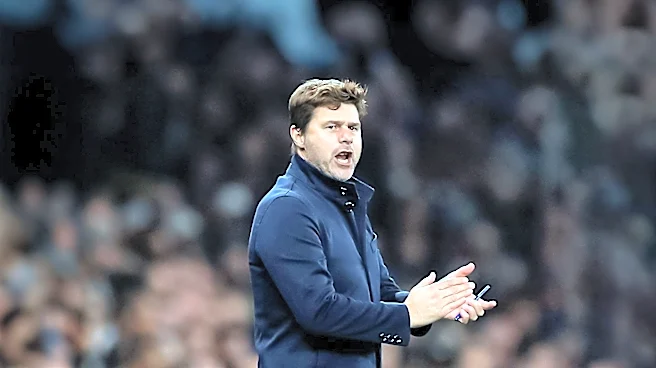
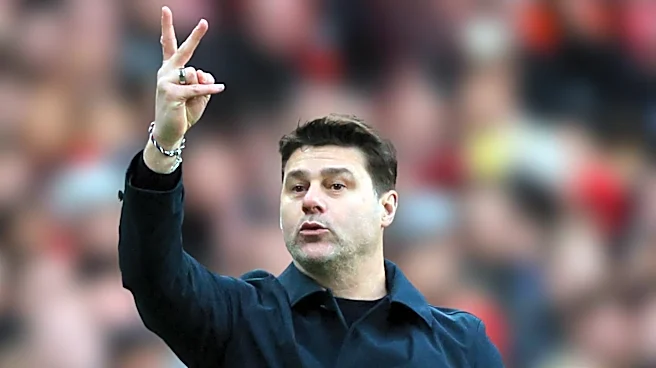
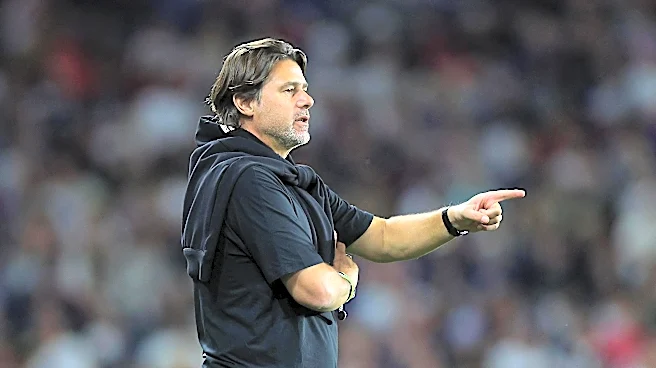
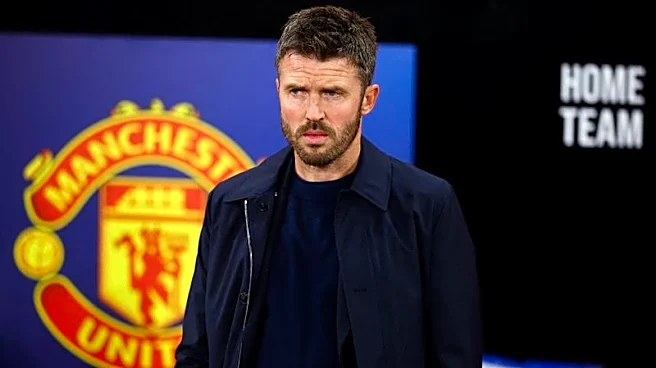
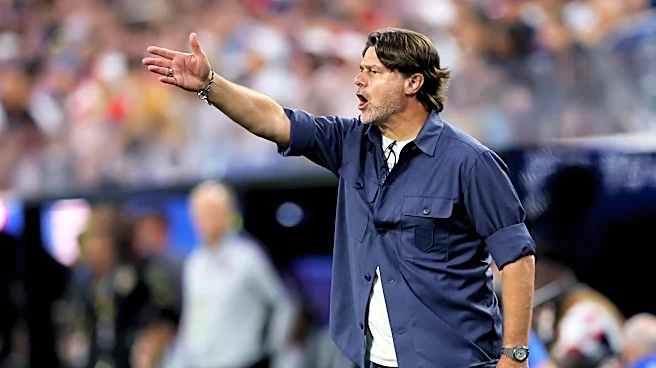
Mauricio Pochettino has resigned as the head coach of the U.S. Men’s National Team (USMNT) to take on the head coaching role at Manchester United in the English Premier League. Pochettino spent just over two years leading the USMNT, having joined U.S. Soccer
in September 2024. His tenure marked his first international appointment, following an extensive club-level managerial career with teams like Southampton, Tottenham Hotspur, Chelsea, and Paris Saint-Germain. During his time with the USMNT, Pochettino achieved significant milestones, including leading the team to the 2025 Concacaf Gold Cup Final and advancing to the Round of 16 at the 2026 FIFA World Cup on home soil. The USMNT topped Group D in the World Cup and secured its first knockout-round victory since 2002 with a 2-0 win over Bosnia and Herzegovina. Players, such as midfielder Sebastian Berhalter, have expressed gratitude for Pochettino's impact on their development and the team's standards.
Why It's Important?
Pochettino's departure marks a significant transition for the USMNT, especially after a period of notable success and momentum leading up to and during the 2026 FIFA World Cup hosted in the U.S. His leadership helped raise the team's profile and performance on the international stage, achieving the most World Cup wins of any USMNT head coach. The challenge now for U.S. Soccer will be to find a successor who can maintain and build upon the foundation Pochettino established, particularly as American soccer enters a crucial five-year window. The new coach will need to continue fostering player development and competitive performance to capitalize on the growing interest in soccer in the United States. The move also highlights the global appeal and competitive nature of top-tier club football, as even successful national team coaches are drawn to prestigious club opportunities.
What's Next?
U.S. Soccer will now begin the search for a new head coach for the Men's National Team. The selection process will be critical to ensure continuity and further development of the program, especially with the momentum generated under Pochettino. The new coach will face the immediate task of preparing the team for upcoming international competitions and continuing to integrate young talent. Players will need to adapt to a new coaching philosophy and system, while maintaining the high standards set by Pochettino. The departure also opens up discussions about the long-term strategy for the USMNT and how to sustain success beyond major tournaments. The choice of the next coach will be closely watched by fans and stakeholders, as it will significantly influence the trajectory of American soccer in the coming years.
Beyond the Headlines
Pochettino's tenure, though relatively short, has left a lasting impact on the USMNT, instilling a sense of pride and a higher standard of play, as noted by midfielder Sebastian Berhalter. His ability to connect with players and foster a strong team identity, even as an Argentine coach leading the U.S. team, speaks to his leadership qualities. This transition also underscores the broader trend of top-tier coaching talent moving between national teams and elite club football, driven by ambition, financial incentives, and the allure of different challenges. For U.S. Soccer, the task is not just about finding a replacement, but about institutionalizing the progress made and ensuring that the program's development is resilient to coaching changes. It also highlights the growing stature of American soccer that it can attract and develop world-class coaching talent, even if for a limited period.