






What's Happening?
Healthcare organizations are establishing structured electronics recycling programs to manage retired IT equipment effectively. This initiative addresses the need to coordinate equipment collection, protect operational records, and identify devices suitable
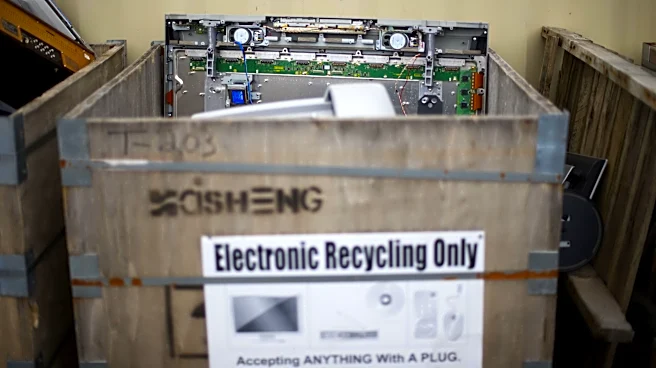
for reuse. The range of equipment includes point-of-care and mobile workstations, clinical tablets, bedside workstations, medical imaging and diagnostic equipment like radiology workstations and PACS servers, and clinical laboratory and network equipment such as computer systems and network gateways. These programs involve a four-step process: inventory and assessment, collection and transportation planning, refurbishment and reuse assessment, and responsible electronics recycling. The goal is to support material recovery, refurbishment, and environmental sustainability while adhering to data privacy procedures.
Why It's Important?
The implementation of these recycling programs is crucial for several reasons. Firstly, it ensures the secure disposal of sensitive patient data, which is paramount in healthcare to comply with regulations like HIPAA. Improper disposal of IT equipment can lead to data breaches, incurring significant financial and reputational damage. Secondly, these programs promote environmental sustainability by recovering valuable materials like copper, aluminum, and steel, reducing the demand for new raw materials and minimizing landfill waste. Thirdly, the refurbishment and reuse of functional devices can provide affordable technology solutions for educational or community programs, bridging the digital divide. This systematic approach helps healthcare facilities manage their electronic waste responsibly and efficiently.
What's Next?
Healthcare organizations are expected to continue refining and expanding their IT equipment recycling programs. This will likely involve increased collaboration with specialized recycling partners to ensure compliance with evolving environmental regulations and data security standards. There will be a growing emphasis on developing more efficient inventory and assessment tools to streamline the process of identifying reusable and recyclable equipment. Furthermore, as healthcare technology advances, the types of equipment requiring recycling will become more complex, necessitating continuous adaptation of these programs. The industry may also see the development of new technologies for more effective material recovery and data sanitization.
Beyond the Headlines
The push for structured IT equipment recycling in healthcare extends beyond mere compliance and cost-saving. It reflects a broader societal shift towards corporate social responsibility and environmental stewardship within the healthcare sector. This initiative highlights the ethical obligation of healthcare providers to manage their technological footprint responsibly, considering both patient privacy and ecological impact. It also underscores the challenge of balancing rapid technological advancement with sustainable practices. The success of these programs could serve as a model for other industries dealing with large volumes of sensitive data and electronic waste, fostering a culture of responsible technology lifecycle management across various sectors.