







What's Happening?
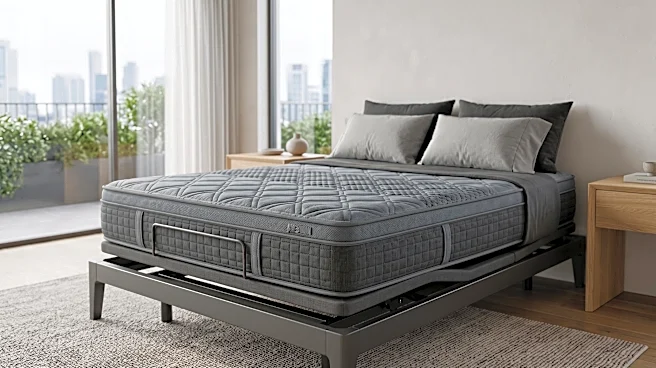
The REVO AI Adaptive Smart Bed System, introduced by Total Comfort, offers integrated sleep tracking technology directly within the mattress. This system provides personalized comfort through 5-zone adaptive support, adjustable firmness, and motorized
positioning, eliminating the need for wearable devices. It tracks sleep duration, movement, heart rate, and estimated sleep stages, with information accessible via a companion app. The REVO AI system is designed with independent left and right sleep systems, allowing couples to customize firmness, support, and positioning without disturbing each other. Key features include AI-driven 5-zone support that recalibrates with movement, independent recline, a snoring response mode that automatically raises the head section, a sleep aid mode, cradle mode, and six lifting modes for various positions. The system aims to provide detailed sleep insights while actively adapting the sleeping environment for improved comfort.
Why It's Important?
This development is significant for the U.S. market as it represents a shift in sleep technology from wearable devices to integrated smart home solutions. For consumers, it offers a potentially more comfortable and less intrusive way to monitor sleep, especially for those who dislike wearing devices to bed. The personalized comfort features, such as independent firmness and snoring response, could address common sleep disturbances for couples, potentially improving overall sleep quality and relationship dynamics. From an industry perspective, it highlights the growing demand for advanced, non-wearable health monitoring solutions and could spur further innovation in smart home and wellness technologies. This approach could also appeal to specific demographics like older adults, athletes, and pregnant women who may benefit from adaptive support and detailed sleep insights without the hassle of traditional trackers.
What's Next?
The adoption of smart bed systems like REVO AI is likely to increase as consumers seek more seamless and integrated wellness solutions. Future developments may include enhanced AI capabilities for predictive sleep adjustments, integration with other smart home ecosystems, and more sophisticated health monitoring features beyond basic sleep metrics. The success of such systems could also influence healthcare providers to consider non-wearable data for patient consultations, particularly for general wellness and early detection of sleep-related issues. Manufacturers will likely focus on improving accuracy, user-friendliness, and affordability to broaden market appeal. Competition in the smart bed market is expected to intensify, leading to more advanced features and potentially lower prices for consumers.
Beyond the Headlines
The emergence of integrated sleep tracking in smart beds raises broader questions about data privacy and security, as sensitive health information is collected and stored. Consumers will need assurances regarding how their sleep data is protected and utilized. Furthermore, the shift away from wearables could impact the market for traditional fitness trackers and smartwatches, prompting these companies to innovate or diversify their offerings. Ethically, the continuous monitoring of sleep patterns could lead to increased anxiety for some individuals, similar to the 'orthosomnia' phenomenon observed with wearables, where an obsession with 'perfect' sleep data can worsen sleep quality. The long-term health implications of constant environmental adjustments by AI-driven beds also warrant further research to ensure they genuinely enhance well-being without unintended consequences.