









What's Happening?
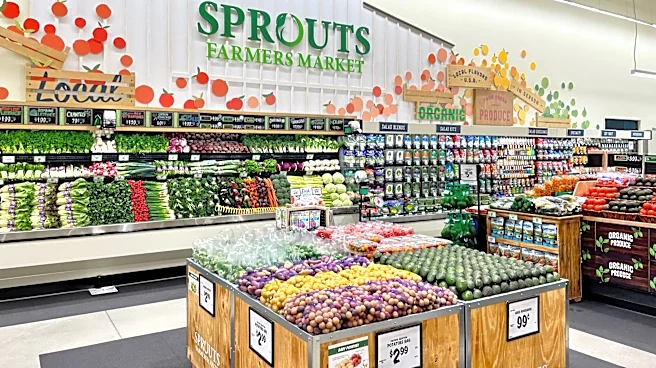
Shipt has integrated Sprouts Farmers Market into its marketplace, enabling same-day delivery services from over 500 Sprouts locations across the United States. This partnership grants customers access to Sprouts' extensive range of fresh produce, organic
groceries, specialty products, vitamins, and supplements. To mark this launch, Shipt is offering new eligible members an introductory rate of 99 cents per month for four months, valid from October 8 to November 7, before the standard monthly rate of $10.99 applies. Additionally, customers can receive 50% off their first Sprouts order of $35 or more, with a maximum savings of $20, by using the code SPROUTS50. This initiative aligns with PwC’s Holiday Outlook 2026, which indicates that 80% of consumers plan to adopt budgeting strategies during the holiday season. Shipt, a subsidiary of Target Corp. based in Birmingham, Alabama, operates a marketplace with over 100 retailers and serves 80% of the U.S. population. Sprouts Farmers Market, headquartered in Phoenix, Arizona, manages over 500 stores in 25 states and employs approximately 36,000 individuals.
Why It's Important?
This expansion significantly enhances convenience for consumers seeking fresh and organic groceries, particularly those prioritizing health and wellness products. The partnership between Shipt and Sprouts Farmers Market addresses the growing demand for efficient and accessible grocery delivery services, a trend accelerated by evolving consumer lifestyles and technological advancements. The promotional offers, such as the discounted membership and first-order savings, are strategically designed to attract new customers and encourage adoption of online grocery shopping, especially during periods of increased consumer budgeting, as highlighted by PwC's Holiday Outlook. For Shipt, this collaboration strengthens its position in the competitive grocery delivery market by adding a prominent health-focused retailer to its platform, thereby broadening its product offerings and customer base. For Sprouts, it provides an additional channel for reaching customers, expanding its market reach without significant capital investment in its own delivery infrastructure. This move also underscores the increasing reliance of traditional retailers on third-party delivery platforms to meet modern consumer expectations for speed and convenience.
What's Next?
Following the launch, Shipt will likely monitor the uptake of its promotional offers and the overall performance of the Sprouts Farmers Market integration. The company may analyze customer feedback and purchasing patterns to refine its service offerings and potentially introduce further incentives. Shipt's AI shopping assistant, 'Ask Shipt,' which provides product recommendations, ingredient swaps, and meal inspiration, will continue to be a key feature in enhancing the customer experience. Sprouts Farmers Market will benefit from increased visibility and accessibility to a broader customer segment, potentially leading to higher sales volumes through the Shipt platform. Both companies will likely explore opportunities for deeper integration and collaboration, such as exclusive product offerings or personalized promotions based on customer data. The success of this partnership could also influence other grocery retailers to consider similar collaborations with delivery services, further shaping the landscape of online grocery retail in the U.S.
Beyond the Headlines
This partnership reflects a broader trend in the retail industry where traditional brick-and-mortar stores are increasingly leveraging digital platforms to remain competitive and cater to evolving consumer preferences. The integration of AI-powered shopping assistants, like 'Ask Shipt,' signifies a shift towards more personalized and intelligent online shopping experiences, moving beyond simple order fulfillment to offering value-added services. This technological advancement can help consumers make more informed choices, especially regarding dietary preferences and meal planning, thereby promoting healthier lifestyles. Furthermore, the emphasis on budgeting strategies, as noted by PwC, highlights the economic pressures faced by consumers and the importance of value-driven offerings in the current market. The collaboration also raises questions about the future of grocery retail, particularly how independent grocers and larger chains will adapt to the dominance of third-party delivery services and the increasing demand for convenience. This trend could lead to a more consolidated and technologically advanced grocery market, with implications for local economies and employment.