
What's Happening?
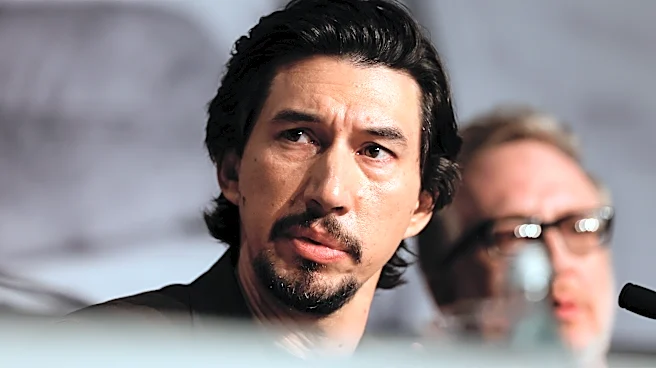
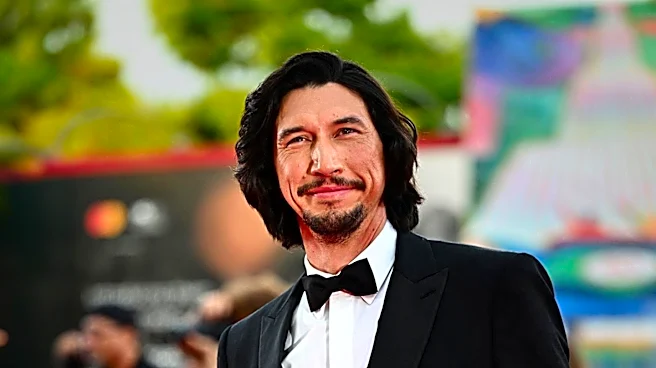
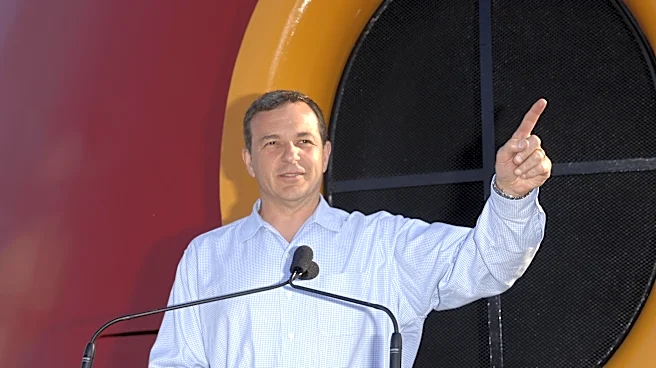
Disney executives Bob Iger and Alan Bergman ultimately rejected a proposed 'Star Wars' film centered on the character Ben Solo, despite significant development by actor Adam Driver and director Steven Soderbergh. According to Driver, he and Soderbergh,
along with writer Scott Z. Burns and Jules Asner (under the pseudonym Rebecca Blunt), worked on the project for two years without compensation due to their passion for the idea and initial confidence from Lucasfilm leadership, including Kathleen Kennedy, Carrie Beck, and Dave Filoni. The screenplay was described by Driver as "one of the coolest f—ing scripts I had ever been a part of." The project, which Driver publicly revealed in October 2025, was titled 'The Hunt for Ben Solo' and aimed to explore the character's story. Driver expressed his disappointment, calling the cancellation "criminal" and questioning the studio's lack of enthusiasm for Soderbergh directing a 'Star Wars' movie. The primary reason given for the rejection was that Ben Solo was deceased in the 'Star Wars' narrative.
Why It's Important?
This decision by Disney executives highlights the significant control studio leadership maintains over major franchises like 'Star Wars,' even when acclaimed talent like Steven Soderbergh and Adam Driver are deeply invested in a project. The rejection of a film developed by such high-profile individuals, who were willing to work without initial pay, underscores the strategic and financial considerations that often outweigh creative enthusiasm in large-scale productions. For 'Star Wars' fans, this means a potential storyline exploring Ben Solo's past will not come to fruition, impacting the narrative expansion of the universe. It also raises questions about the creative freedom afforded to filmmakers within established cinematic universes and the balance between artistic vision and corporate direction. The incident could influence how future projects are pitched and developed within Disney, potentially leading to more stringent initial vetting processes to avoid similar public disappointments.
What's Next?
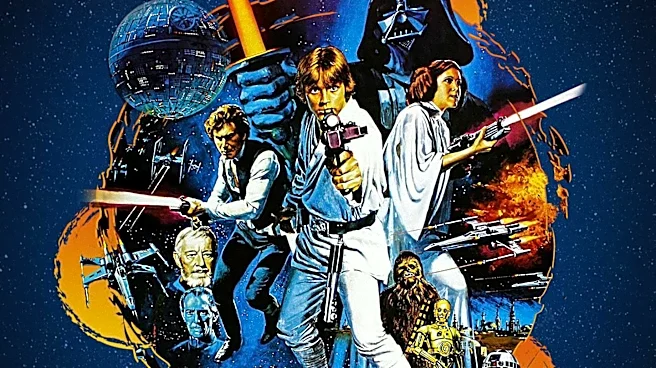
The proposed 'Star Wars' film centered on Ben Solo is officially dead, as confirmed by Adam Driver. Driver has stated that he will not be returning to 'Star Wars.' The next 'Star Wars' film scheduled for theatrical release is 'Star Wars: Starfighter,' starring Ryan Gosling, set to open on May 28, 2027. This rejection may lead to further discussions within the industry regarding the creative control of major studios versus the artistic input of filmmakers and actors. It could also influence how future 'Star Wars' projects are announced and developed, potentially with more caution to manage fan expectations. The incident might also prompt other creatives to consider the level of commitment and risk involved in developing projects for large franchises without a guaranteed green light.
Beyond the Headlines
The cancellation of the Ben Solo project, despite the involvement of acclaimed talent and a compelling script, points to a broader trend in Hollywood where established intellectual properties are managed with extreme caution. The stated reason for rejection—that Ben Solo was dead—suggests a rigid adherence to existing canon, potentially limiting creative exploration and character development within the 'Star Wars' universe. This approach can be seen as a double-edged sword: while it maintains continuity for long-time fans, it can also stifle innovative storytelling and prevent fresh perspectives from emerging. The willingness of Soderbergh and Driver to work for free highlights a passion for the material that often clashes with the commercial realities and corporate strategies of major studios. This dynamic raises questions about the future of creative risk-taking in franchise filmmaking and whether the pursuit of established narratives will increasingly overshadow original artistic visions.