




What's Happening?
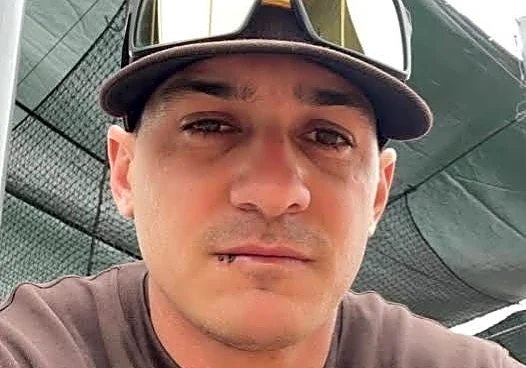
Oswaldo Pirela, the San Diego Padres' minor league catching coordinator and a former Texas Rangers minor league player, was detained by U.S. Immigration and Customs Enforcement (ICE) on Sunday morning at El Paso International Airport. He is currently
in custody pending removal proceedings, according to a statement from a Department of Homeland Security spokesperson. Pirela, 34, was traveling to Phoenix, Arizona, where he resides with his wife and two daughters, after being with the Padres' Triple-A affiliate, the El Paso Chihuahuas. The Department of Homeland Security stated that Pirela, who is from Barquisimeto, Venezuela, entered the United States in September 2014 and his permission to remain expired on February 10, 2018. Although Pirela's brother presented a work permit valid until 2029, Homeland Security clarified that work authorization or a pending application does not confer legal status. The Padres organization has acknowledged the detainment and is working to gather additional information, declining further comment at this time.
Why It's Important?
This incident highlights the complexities and strict enforcement of U.S. immigration laws, even for individuals with established professional roles and work permits. The detention of Oswaldo Pirela, a visible figure within a major U.S. sports organization, brings national attention to the nuances of immigration status versus work authorization. It underscores the potential vulnerability of individuals who may have work permits but lack full legal residency, and the distinction between these statuses as enforced by Homeland Security. For professional sports organizations, this event could prompt a review of their international employees' immigration statuses and the support systems in place for them. It also raises questions about the communication and coordination between different government agencies regarding immigration documentation. The situation could influence how U.S. sports teams manage their diverse workforce, particularly those from other countries, and may lead to increased scrutiny of immigration policies affecting foreign workers in various U.S. industries.
What's Next?
Oswaldo Pirela will remain in ICE custody pending removal proceedings, during which he will receive due process. The specific timeline for these proceedings is not detailed, but they will determine his future legal status and ability to remain in the United States. The San Diego Padres have stated they are actively gathering more information, suggesting they may explore legal avenues or support for Pirela. This situation could evolve into a legal battle, potentially involving immigration attorneys and advocacy groups. Depending on the outcome, it could set a precedent or at least draw further attention to similar cases involving individuals with work permits but expired legal status. The incident may also lead to internal discussions within the Padres organization and potentially other sports leagues about how to better navigate and support their international staff regarding immigration matters.
Beyond the Headlines
The detention of Oswaldo Pirela, despite his work permit and professional standing, exposes a broader societal tension between economic contributions and immigration enforcement. It challenges the perception that a valid work permit automatically guarantees protection from removal, highlighting the critical difference between work authorization and legal residency. This case could spark discussions about the fairness and clarity of U.S. immigration policies, particularly for individuals who have been contributing to the U.S. economy and society for years. It also touches upon the human element of immigration, as Pirela has a family in the U.S. and a pending asylum claim, adding a layer of personal impact to the legal proceedings. The incident may also prompt a re-evaluation of how U.S. employers, especially those with international workforces, understand and communicate immigration requirements to their employees, potentially leading to more proactive measures to prevent similar situations.