

What's Happening?
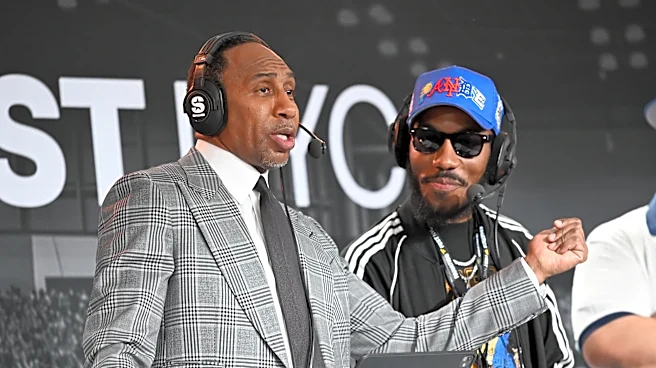
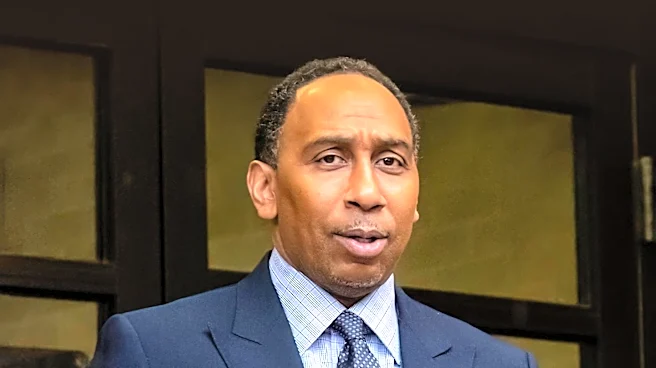
ESPN analyst Stephen A. Smith has publicly denied rumors of his suspension from the network. The rumors began circulating after an X (formerly Twitter) account posted claims that Smith had been indefinitely removed from ESPN's sports coverage. Smith directly
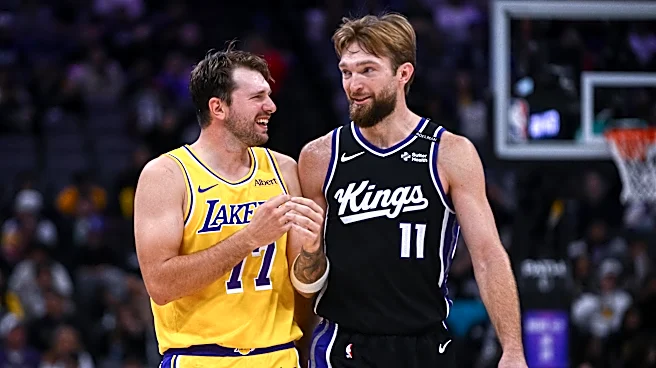
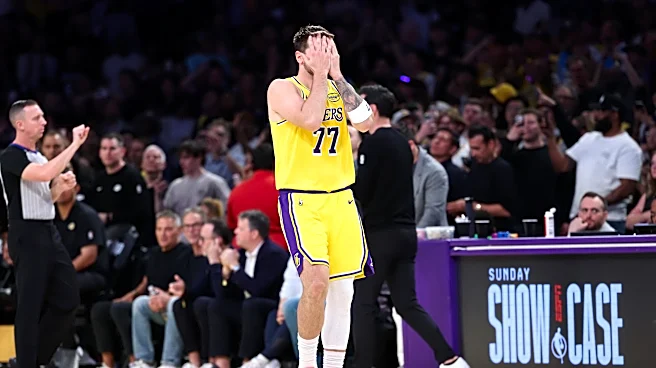
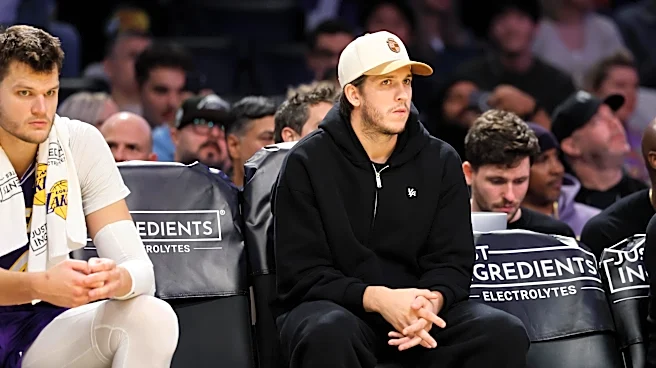
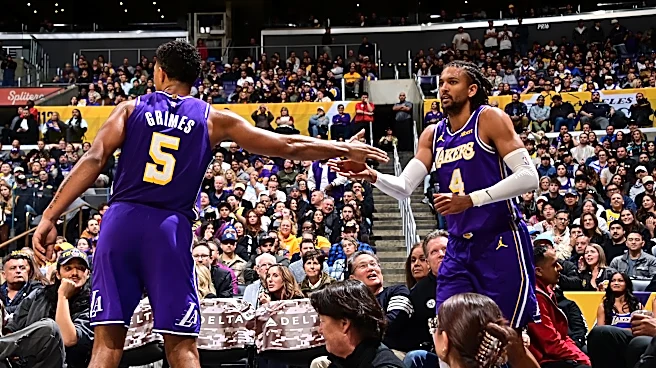
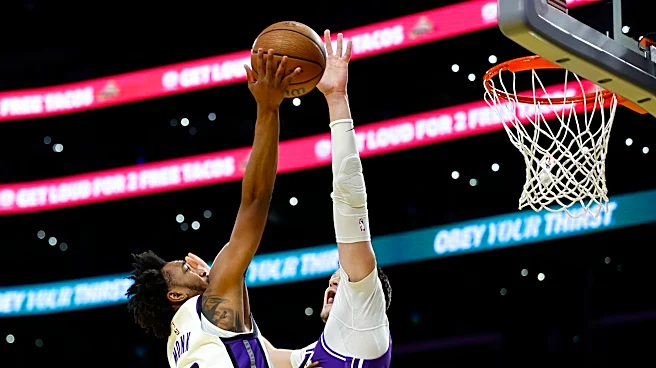
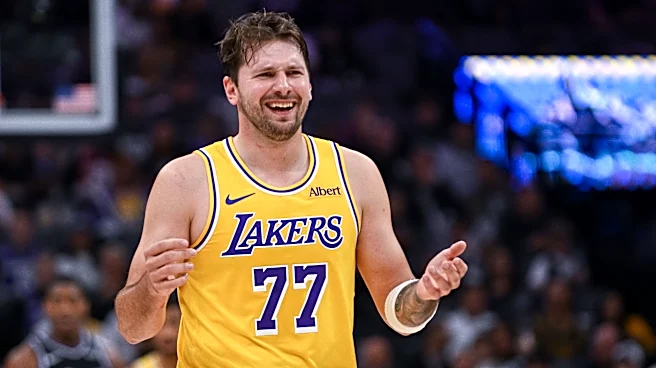
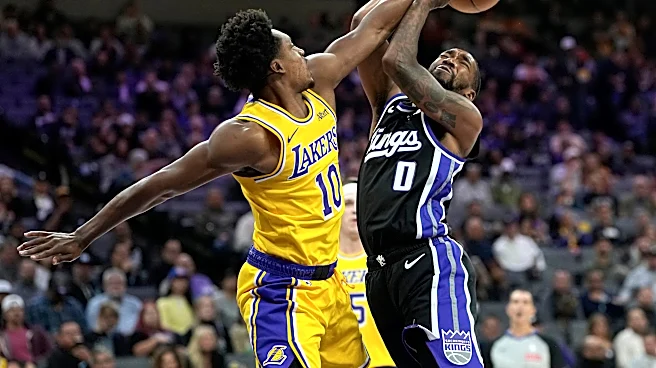
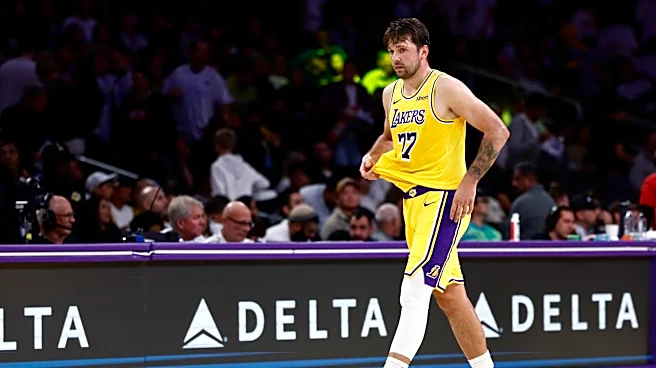
addressed these allegations, stating they were a "flat out lie" and that he had not been suspended nor done anything to warrant such disciplinary action. The controversy stems from comments Smith made during an appearance on 'First Take' regarding the Los Angeles Lakers' roster. He questioned whether the Lakers, with several white players in prominent roles, could win an NBA championship, specifically mentioning Luka Doncic, Austin Reaves, and Walker Kessler. Smith's remarks drew criticism from ESPN colleague Jay Williams, who likened the racial framing of the argument to discussions from the 1930s and 1940s, emphasizing the historical fight for athletes to be judged by talent rather than race. Despite the backlash, Smith has defended his statements and continued to discuss the Lakers' championship prospects, noting the team's strong 14-3 start to the 2026-27 season.
Why It's Important?
This incident highlights the ongoing scrutiny faced by prominent sports commentators, particularly when their remarks touch upon sensitive topics like race and athletic performance. Stephen A. Smith is a highly influential figure in sports media, and any perceived disciplinary action against him would send significant signals about ESPN's editorial policies and tolerance for controversial on-air commentary. The debate sparked by Smith's comments underscores broader societal discussions about race in sports, challenging the notion of a purely meritocratic system and bringing to the forefront historical biases. The reaction from a colleague like Jay Williams further emphasizes the internal and external pressures on sports networks to navigate these discussions responsibly. For the Los Angeles Lakers, the controversy adds an external narrative layer to their season, potentially influencing public perception and team dynamics, even as they perform well on the court. The swift denial by Smith also demonstrates the power of social media in disseminating information, both accurate and inaccurate, and the need for public figures to directly address such claims.
What's Next?
Following Stephen A. Smith's direct denial, it is expected that he will continue his regular appearances on ESPN programming, including 'First Take'. The network has not issued any public statement regarding the alleged suspension, which aligns with Smith's assertion that no disciplinary action has been taken. The debate surrounding his comments about the Lakers' roster may persist, potentially leading to further on-air discussions or reactions from other sports personalities and analysts. Smith's defense of his remarks suggests he is unlikely to retract them, indicating a continued willingness to engage with the controversy. The Lakers' performance throughout the 2026-27 NBA season will likely be a focal point, and Smith's initial comments may be revisited as the team progresses. The incident also serves as a reminder for media organizations to monitor and potentially address the impact of their commentators' statements, especially when they generate significant public discussion and internal disagreement.
Beyond the Headlines
This event delves into the complex intersection of sports commentary, racial discourse, and media responsibility. Smith's comments, while framed within a sports context, inadvertently reignite discussions about racial representation and perceived capabilities within professional sports, echoing historical debates about athlete stereotypes. The swift and strong reaction from a colleague like Jay Williams underscores the sensitivity and historical weight of such remarks, highlighting how even seemingly casual observations can tap into deeper societal issues. Furthermore, the rapid spread of misinformation via social media platforms, as seen with the suspension rumors, illustrates the challenges media figures and organizations face in controlling narratives and maintaining credibility in the digital age. This incident could prompt broader internal discussions within ESPN and other sports media outlets about guidelines for on-air commentary, particularly concerning race, and the ethical responsibilities of influential personalities in shaping public discourse around sports and society.