

What's Happening?
Venezuelan business leaders recently convened in Caracas for a conference titled “The United States and Venezuela: A New Era of Business.” The event, held on November 12 at the Marriott Hotel, aimed to attract U.S. investment across various sectors of Venezuela’s
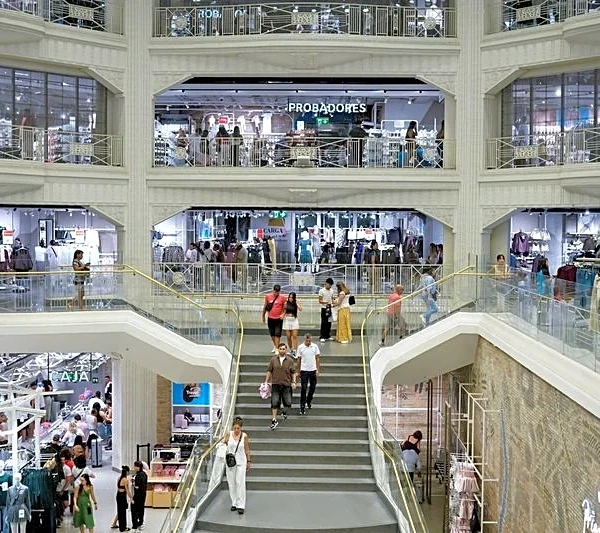
economy, moving beyond its traditional focus on oil. Approximately 600 attendees participated, including representatives from U.S. firms such as McDonalds, KFC, Century 21, and Western Union. The conference agenda addressed both the challenges and opportunities for investing in Venezuela as the country seeks to strengthen its relationship with the U.S. following the capture of President Nicolás Maduro on January 3, 2026. Jesús Aveledo, CEO of Negocios USA, emphasized that such meetings highlight Venezuela's market strengths as it reopens after years of economic isolation. Amarú Liendo, president of the Venezuelan-American Chamber of Commerce and Industry (Venamcham), noted that investor interest extends beyond hydrocarbons to areas like agriculture, tourism, franchising, and real estate.
Why It's Important?
This initiative signifies a strategic shift in Venezuela's economic outlook, aiming to diversify its economy and reduce its heavy reliance on oil. For U.S. businesses, it presents potential new market opportunities in sectors previously underdeveloped or inaccessible. The participation of major U.S. brands indicates a growing interest in re-engaging with the Venezuelan market, which could lead to increased trade volumes and job creation. The focus on non-oil sectors like agriculture, tourism, and franchising could foster a more resilient and balanced Venezuelan economy, benefiting its population through broader income generation and improved worker training. The re-establishment of business ties could also signal a broader geopolitical realignment, strengthening U.S.-Venezuela relations after a period of strained interactions and economic isolation.
What's Next?
Venezuelan business leaders plan to continue developing a roadmap to facilitate the entry of foreign investors into the country. They anticipate an increase in trade volume, which had previously fallen to $6 billion. Efforts will likely focus on resolving fundamental issues such as failures in basic services, which are acknowledged as critical for sustained growth, particularly in sectors like retail and franchising. The strategy includes attracting back U.S. brands that previously operated successfully in Venezuela. Further discussions and collaborations are expected between Venezuelan and U.S. private companies to explore investment opportunities in diverse sectors, aiming to rebuild and expand the Venezuelan economy. The success of these efforts will depend on continued political stability and the effective resolution of infrastructural challenges.
Beyond the Headlines
The push for economic diversification in Venezuela carries significant long-term implications. By moving beyond oil, Venezuela aims to build a more sustainable and equitable economy, reducing its vulnerability to global oil price fluctuations. This shift could lead to a more robust private sector and a decrease in state dependency, potentially fostering greater economic freedom and innovation. The re-entry of U.S. franchises and investments could also introduce new business practices, technologies, and consumer standards, influencing local market dynamics and consumer expectations. Ethically, the success of these investments will depend on ensuring fair labor practices and equitable distribution of economic benefits, preventing the concentration of wealth and promoting inclusive growth across the Venezuelan population. This economic re-engagement could also serve as a model for other nations seeking to rebuild their economies after periods of isolation.