





What's Happening?
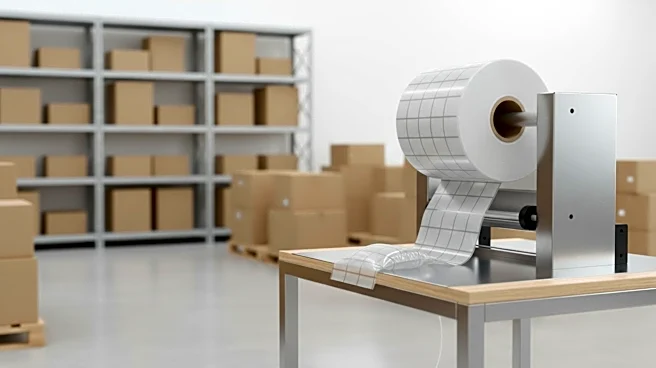
IPG, a global provider of packaging and protective solutions, has launched a new product called the PCR Air Pillow Film. This high-performance protective packaging solution is designed to help companies meet sustainability goals without sacrificing quality
or efficiency. The film is composed of 50% recycled content, including 35% post-consumer recycled (PCR) content and 15% post-industrial recycled (PIR) content. Manufactured in the USA at a TRUE Zero Waste certified facility, the film offers a sustainable void-fill solution that aligns with the increasing demand for environmentally responsible packaging. The product is engineered to seamlessly integrate with existing IPG AirSpace systems, ensuring compatibility with current inflation machines and delivery systems.
Why It's Important?
The introduction of the PCR Air Pillow Film by IPG is significant as it addresses the growing need for sustainable packaging solutions in the industry. As companies face increasing pressure to reduce their environmental impact, products like this offer a practical way to incorporate recycled materials into their operations. By providing a film that maintains high performance while using recycled content, IPG supports businesses in achieving their sustainability targets. This development could influence other companies in the packaging sector to adopt similar eco-friendly practices, potentially leading to a broader shift towards sustainable packaging solutions across various industries.
What's Next?
As IPG rolls out the PCR Air Pillow Film, businesses using IPG's existing AirSpace systems are likely to transition to this new sustainable option. The company may also expand its product line to include more eco-friendly solutions, further solidifying its position as a leader in sustainable packaging. Additionally, the success of this product could prompt competitors to develop similar offerings, increasing the availability of sustainable packaging options in the market. Stakeholders, including environmental groups and regulatory bodies, may monitor the adoption of such products to assess their impact on reducing packaging waste.