






What's Happening?
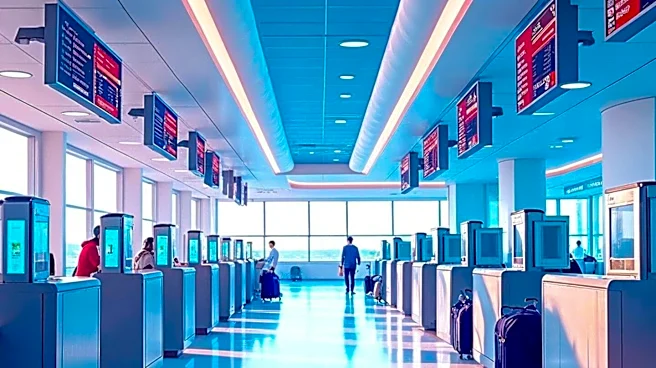
HotelKey, a Carrollton, Texas-based company, is significantly expanding the deployment of its self-check-in kiosks across U.S. hotels. This initiative aims to automate routine front-desk operations and provide continuous service, addressing the hospitality
industry's need to reduce labor costs. The HotelKey system is designed to handle various tasks, including identity verification, payment processing, room assignments, and keycard dispensing. According to HotelKey, this automation can save a hotel property over 2,000 labor hours annually, allowing staff to concentrate on more complex guest services. NSR Hotel Group has designated HotelKey as the exclusive kiosk provider for its G6 portfolio, encompassing more than 20 U.S. properties. Additionally, Infinity Management Group is extending the technology to its California properties after a successful pilot at a Motel 6 near the Anaheim Convention Center. The kiosks also offer connectivity to live remote agents for assistance with more intricate transactions.
Why It's Important?
The expansion of HotelKey's self-check-in kiosks is important for the U.S. hospitality industry as it directly addresses critical challenges such as labor shortages and the demand for enhanced operational efficiency. By automating routine tasks, hotels can significantly reduce operational costs, particularly labor expenses, which are a major component of hotel overhead. This allows hotel management to reallocate human resources to areas that require more personalized guest interaction, potentially improving overall guest satisfaction and service quality. The 24/7 availability of self-service options caters to modern travelers' preferences for convenience and speed, especially during off-peak hours. Furthermore, the adoption of such technology can provide a competitive edge for hotels by offering a seamless and efficient check-in experience, which is increasingly valued by guests in a post-pandemic world where contactless interactions are often preferred. This trend also highlights the broader impact of automation on the service sector, transforming traditional roles and operational models.
What's Next?
HotelKey plans to further enhance its kiosk capabilities by integrating agentic AI. This advanced AI is designed to manage more complex guest requests, such as rate negotiations and personalized service offerings, moving beyond basic transactional functions. The kiosks are already integrated with HotelKey's cloud-based property management platform, which serves over 25,000 contracted hotels, with more than 15,000 currently utilizing the platform. The continued development and deployment of these AI-powered solutions suggest a future where hotel front desks are increasingly automated, with human staff focusing on high-value interactions and problem-solving. This technological evolution is likely to influence staffing models, training requirements for hotel employees, and the overall guest experience, pushing the industry towards a more tech-driven service delivery model. Other hotel chains may follow suit, leading to a broader transformation in how hospitality services are delivered across the U.S.
Beyond the Headlines
The widespread adoption of self-check-in kiosks and agentic AI in the hospitality sector signifies a deeper transformation in the nature of service work and customer interaction. While these technologies offer undeniable benefits in efficiency and cost reduction, they also raise questions about the future of human employment in roles traditionally performed by front-desk staff. The shift towards automation could lead to a redefinition of hospitality jobs, emphasizing skills in technology management, remote assistance, and complex problem-solving rather than routine administrative tasks. Moreover, the increasing reliance on AI for personalized services, such as rate negotiation, could alter the dynamics of customer loyalty and pricing strategies. Hotels might leverage data collected through these systems to offer highly customized experiences, potentially creating a more segmented and data-driven approach to guest relations. This technological evolution also underscores the ongoing debate about balancing automation with the human element in service industries, and how to maintain a sense of personalized care in an increasingly digital environment.