




What's Happening?
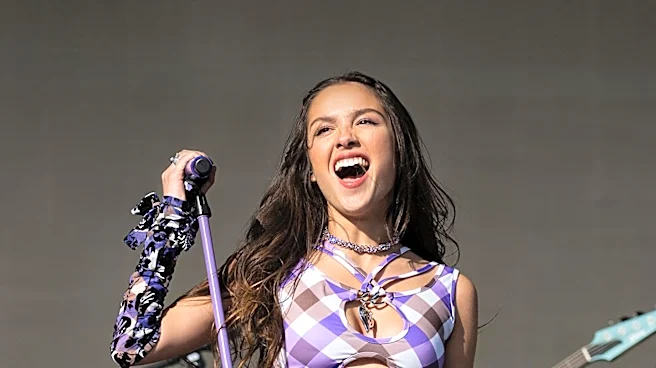
Olivia Rodrigo has publicly declared her firm stance against using artificial intelligence in her music. In a recent interview with The Hollywood Reporter, Rodrigo stated, "I would never use AI in any of my music. Absolutely no. Hard line on that." She
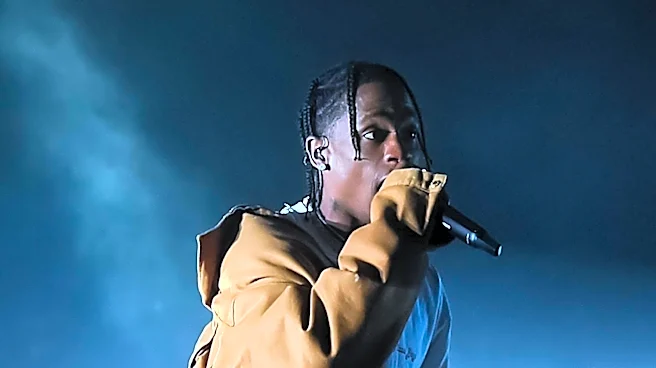
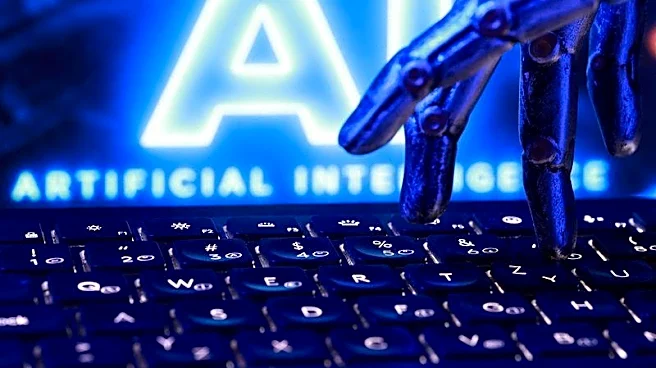
recounted an instance where she and producer Dan Nigro explored ChatGPT for song title ideas, finding the suggestions to be "fucking awful." This announcement comes amidst a growing debate within the music industry regarding AI's role in artistic creation. While some artists like Sting and Billie Eilish share Rodrigo's skepticism, others, including Timbaland and Tyga, have embraced AI for new music production. The discussion around AI in music has intensified due to recent developments, including Apple Music's decision to label AI-generated songs and the Australian Recording Industry Association (ARIA) making fully AI-created songs ineligible for its charts. Rodrigo's comments align with a broader movement among artists and industry bodies to address the implications of AI technology.
Why It's Important?
Olivia Rodrigo's clear rejection of AI in her music highlights a significant ethical and creative divide within the U.S. music industry. Her stance, shared by other prominent artists, underscores concerns about artistic integrity, originality, and the potential devaluation of human creativity. This position could influence other artists and shape public perception of AI-generated content, potentially leading to a stronger consumer preference for human-made music. The ongoing debate also has substantial economic implications for the industry. Companies like Universal Music Group (UMG), Sony Music Group, and Capitol Records are already engaged in legal battles against AI music platforms like Suno, which faces copyright lawsuits for allegedly using stolen content for data training. These legal challenges, including a class-action lawsuit filed by Jason Isbell, aim to protect artists' intellectual property and prevent the unauthorized exploitation of their musical likeness. The outcome of these legal disputes could set precedents for how AI technology is regulated and integrated into creative fields, impacting revenue streams, artist compensation, and the future of music production.
What's Next?
The music industry is likely to see continued legal and ethical discussions surrounding AI. The lawsuits against AI music platforms like Suno, brought by major record labels and artists, will proceed, potentially leading to landmark rulings that define the boundaries of AI use in music and intellectual property rights. These cases could result in new regulations or industry standards for AI-generated content, affecting how artists, producers, and technology companies operate. We can anticipate further actions from streaming services and industry associations regarding the labeling and eligibility of AI-created music. Artists may increasingly be pressured to declare their stance on AI, potentially leading to a clearer distinction between human-made and AI-assisted music in the marketplace. The ongoing dialogue will also likely influence technological development, pushing AI companies to develop more ethically sound and legally compliant tools, or face significant backlash and legal challenges.
Beyond the Headlines
Olivia Rodrigo's decision to eschew AI in her music touches upon deeper philosophical questions about the nature of art and authenticity in the digital age. Her concern that AI-generated ideas are "fucking awful" reflects a sentiment among many artists that true creativity and emotional depth cannot be replicated by algorithms. This debate extends beyond music, impacting various creative industries where AI is increasingly capable of generating content. The legal battles against AI platforms also highlight the complex ethical dilemma of data training, where existing creative works are used to train AI models without explicit consent or compensation to the original creators. This raises fundamental questions about ownership, fair use, and the future of intellectual property in an era of advanced AI. The industry's response to these challenges will not only shape the future of music but also set a precedent for how society values and protects human creativity against the rise of artificial intelligence.