







What's Happening?
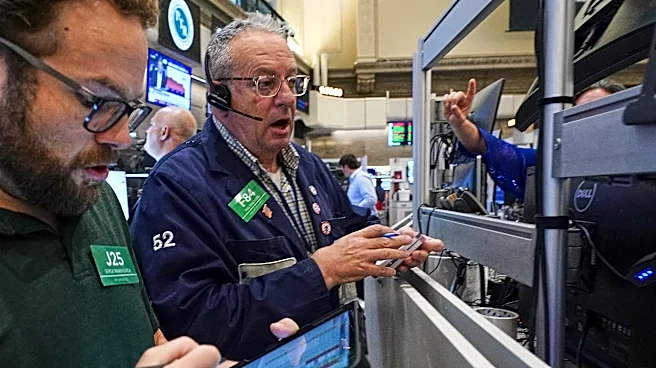
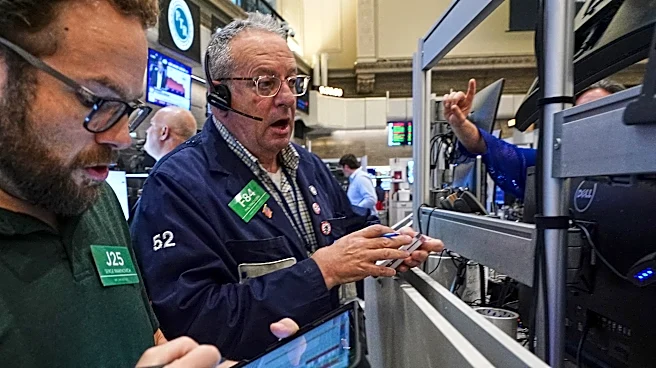
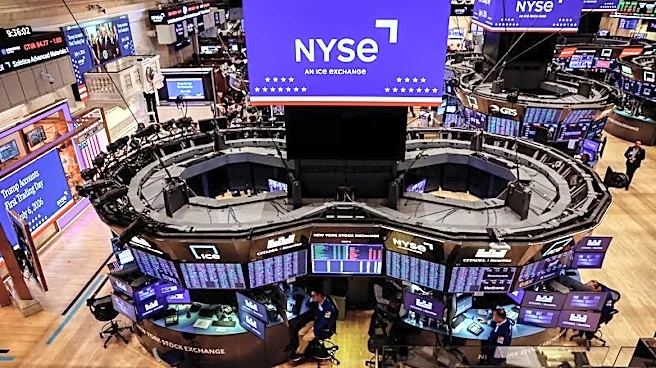
U.S. stock futures showed mixed movements as investors weighed the implications of escalating tensions between the U.S. and Iran alongside upcoming Federal Reserve policy decisions. Following President Trump's announcement that the ceasefire with Iran is 'over,'
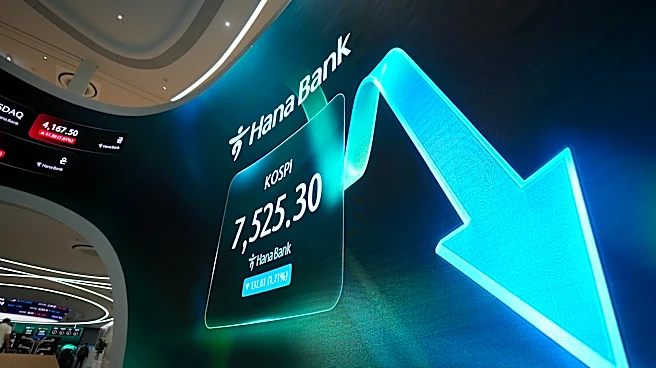
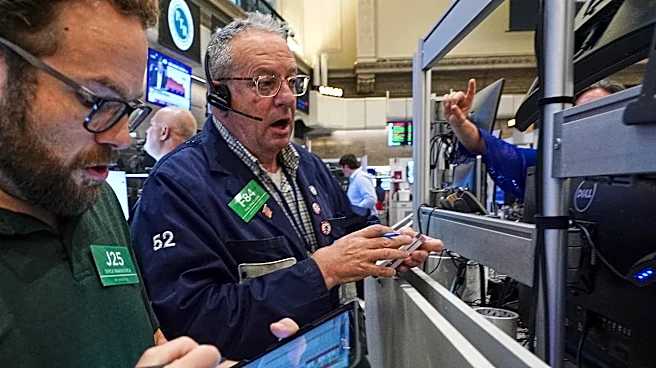
the Dow Jones Industrial Average fell by over 500 points, while the S&P 500 and Nasdaq Composite also experienced declines. The U.S. conducted military strikes against Iran in response to attacks on commercial vessels, leading to a significant rise in oil prices. West Texas Intermediate crude traded above $73 per barrel, and Brent crude approached $78 per barrel. The Treasury Department's revocation of a license allowing Iran to export oil globally further contributed to concerns over potential supply disruptions.
Why It's Important?
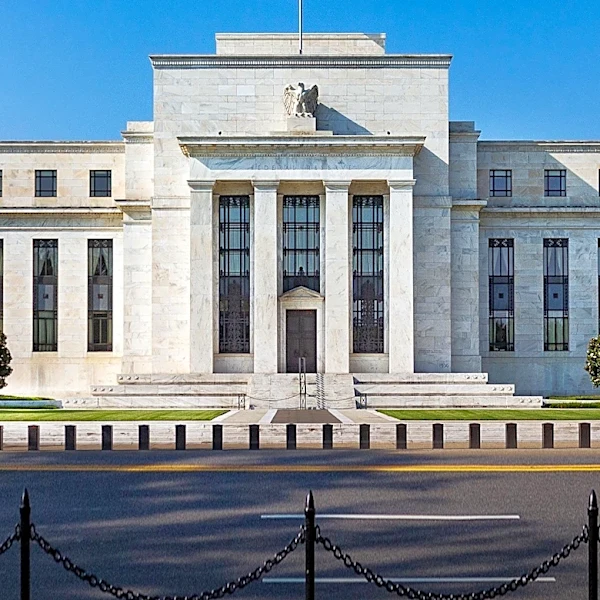
The renewed hostilities between the U.S. and Iran have heightened geopolitical risks, impacting global energy markets and investor sentiment. The increase in oil prices could lead to higher costs for businesses and consumers, affecting economic activity. The situation also highlights the interconnectedness of geopolitical events and financial markets, as investors adjust their strategies in response to changing risks. The Federal Reserve's upcoming meeting minutes release is also crucial, as it may provide insights into the central bank's approach to interest rates amid these uncertainties. The combination of geopolitical tensions and monetary policy decisions creates a complex environment for market participants.
What's Next?
Investors are closely monitoring the Federal Reserve's policy outlook, with expectations of a potential rate hike later in the year. The release of the Fed's June meeting minutes will be scrutinized for any indications of future monetary policy actions. Additionally, developments in the U.S.-Iran situation will be pivotal, as further escalation could lead to more pronounced market reactions. Businesses and policymakers will need to navigate these challenges carefully, balancing the need for stability with the realities of a volatile geopolitical landscape.