








What's Happening?
Consumer Reports has conducted an evaluation of home gym equipment to identify versatile and affordable options for individuals looking to maintain fitness without the expense of a gym membership. The report highlights the benefits of creating a home gym with essential
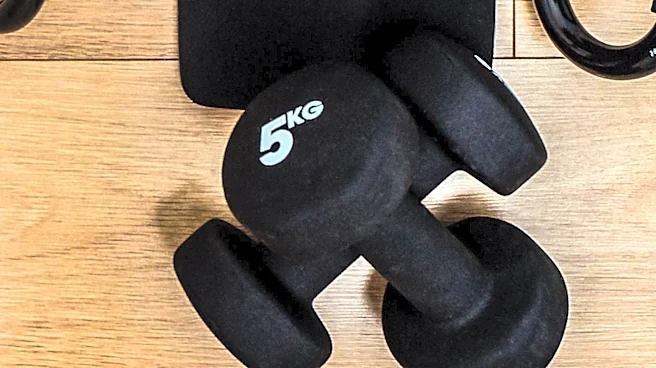
equipment such as adjustable dumbbells and resistance bands. Ana Termyna, a long-time home workout enthusiast, shares her experience of using minimal space and equipment to achieve effective workouts. Consumer Reports emphasizes the value of adjustable dumbbells, which allow users to change resistance easily, thus saving space and money. The NordicTrack 55-pound Select-A-Weight Dumbbells and the Core Home Fitness Adjustable Dumbbell Set are recommended for their performance and affordability. Resistance bands are also highlighted as a cost-effective and versatile alternative to traditional weights, with the Whatafit Resistance Bands being a recommended purchase.
Why It's Important?
The findings from Consumer Reports are significant as they provide practical solutions for individuals seeking to maintain physical fitness without incurring high costs associated with gym memberships. The emphasis on affordable and space-saving equipment like adjustable dumbbells and resistance bands addresses the needs of those with limited space and budget. This approach not only democratizes access to fitness resources but also encourages a more sustainable and personalized fitness routine. The recommendations can benefit a wide range of fitness enthusiasts, from beginners to advanced users, by offering adaptable equipment that can grow with their fitness levels. Additionally, the focus on safety and durability in equipment selection helps consumers make informed decisions, potentially reducing the risk of injury and equipment failure.
What's Next?
As more individuals opt for home-based fitness solutions, the demand for versatile and affordable gym equipment is likely to increase. Manufacturers may respond by innovating and expanding their product lines to meet consumer needs. Additionally, there may be a rise in digital fitness platforms offering guidance on how to effectively use home gym equipment. Consumers are encouraged to regularly check their equipment for wear and tear to ensure safety. The trend towards home fitness could also influence the design of living spaces, with more homes incorporating dedicated workout areas. Retailers and fitness brands might explore partnerships to offer bundled deals on equipment and digital fitness subscriptions.
Beyond the Headlines
The shift towards home fitness reflects broader societal changes in how people approach health and wellness. The convenience and cost-effectiveness of home gyms align with a growing preference for personalized and flexible fitness solutions. This trend may also have implications for the traditional gym industry, which could see a decline in membership as more people invest in home fitness setups. Furthermore, the emphasis on affordable fitness solutions highlights issues of accessibility and equity in health and wellness, encouraging a more inclusive approach to fitness. As technology continues to advance, the integration of smart features in fitness equipment, such as heart rate tracking in headphones, may become more prevalent, offering users a more comprehensive fitness experience.