


What's Happening?
The Buffalo Bills have decided not to include O.J. Simpson in the Wall of Fame at their new stadium. This decision marks a significant shift from the past, as Simpson was not removed from the Wall of Fame even after his controversial legal history, which
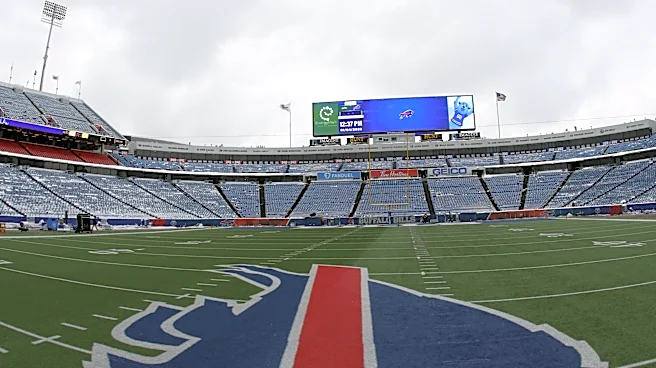
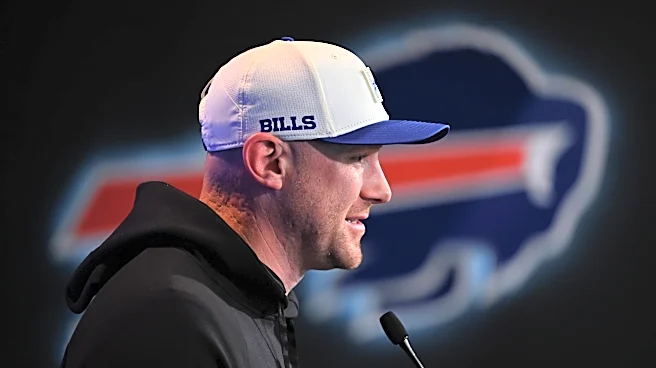
includes being acquitted of double murder and later found liable in civil court for wrongful death. The Bills' Chief Operating Officer, Pete Guelli, announced that Simpson will not be part of the display of all-time franchise greats in the new stadium's Family Circle, a plaza outside the entrance that will feature plaques honoring the team's legendary players. Simpson, who passed away in 2024, was the first inductee into the Wall of Fame in 1980 and was a celebrated player, having been a five-time first-team All-Pro and the NFL's MVP in 1973.
Why It's Important?
This decision by the Buffalo Bills reflects a broader societal shift towards re-evaluating the legacies of public figures with controversial pasts. By excluding Simpson, the Bills are aligning with a growing trend in sports and other industries to distance themselves from individuals whose actions have sparked public outcry or legal issues. This move could influence other sports franchises to reconsider how they honor past players, especially those with complicated histories. It also highlights the ongoing impact of Simpson's legal troubles on his legacy, despite his significant contributions to the sport. The decision may affect how fans perceive the team's values and its commitment to maintaining a positive public image.
What's Next?
The exclusion of O.J. Simpson from the Wall of Fame could prompt discussions among fans and sports analysts about the criteria for honoring athletes in team histories. It may lead to other teams re-evaluating their own criteria for such honors. Additionally, the Bills' decision could spark debates about the balance between an athlete's professional achievements and their personal conduct. As the new stadium opens, the team may face questions from the media and fans about this decision, potentially influencing future policies regarding player recognition.