







What's Happening?
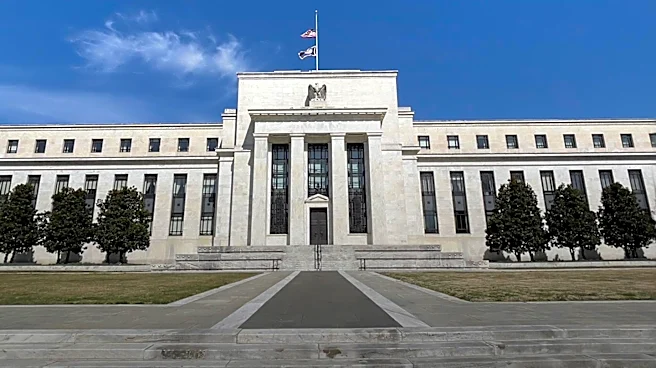
The U.S. dollar is experiencing its largest weekly drop in nearly three months, influenced by a weaker-than-expected June jobs report. Nonfarm payrolls increased by only 57,000, significantly below the anticipated 110,000, leading to a decrease in the labor
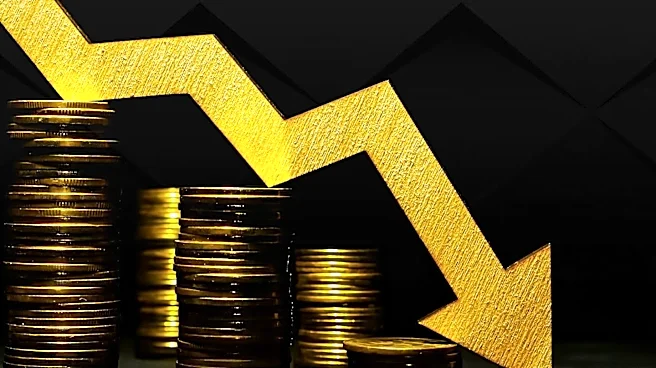
force participation rate to a five-year low of 61.5%. This has resulted in reduced market expectations for a Federal Reserve interest rate hike, with the probability of a September increase dropping from 64% to 52%. The dollar index, which measures the greenback against a basket of currencies, fell by 0.58% for the week, marking the most substantial decline since early April.
Why It's Important?
The decline in the U.S. dollar reflects broader economic concerns, particularly regarding the labor market's strength and the Federal Reserve's monetary policy. A weaker dollar can impact international trade, inflation, and investment flows, affecting both domestic and global markets. The reduced likelihood of a Fed rate hike may provide temporary relief for borrowers but could also signal underlying economic weaknesses. This situation underscores the delicate balance the Fed must maintain between supporting economic growth and controlling inflation, with significant implications for financial markets and economic stakeholders.