


What's Happening?
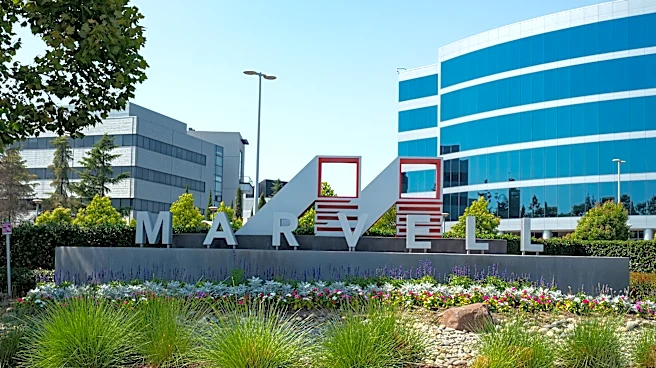
Marvell Technology (MRVL) shares experienced a significant decline of approximately 50% in the 30 days leading up to November 20, 2026, falling from around $245 to $122 per share. This sharp drop was primarily triggered by the announcement on November 2,
2026, that Marvell would acquire Lumentum (LITE) in an all-stock transaction. Under the terms of the deal, Lumentum shareholders are set to receive 4.5 Marvell shares for each Lumentum share they own, which would result in Lumentum investors holding roughly 33% of the combined entity. The market's reaction reflects concerns over potential dilution for existing Marvell shareholders, as well as integration and regulatory risks associated with the acquisition, which is not expected to close until the first half of 2028. Analyst reactions have been mixed, with some lowering ratings and price targets, while others maintained bullish outlooks. Broader market pressures, including rising interest rate concerns and a tech sector selloff in November 2026, further contributed to the decline.
Why It's Important?
The substantial drop in Marvell Technology's stock price following the Lumentum acquisition announcement highlights the market's sensitivity to M&A deals, particularly those involving all-stock transactions and significant integration challenges. This event is important for the semiconductor industry as it underscores how investor sentiment can quickly shift, even for companies with strong underlying business momentum. Marvell had previously reported robust fiscal second-quarter revenue growth of 37% year-over-year and had raised its long-term revenue targets, including a potential $120 billion supply agreement with Google. However, the perceived risks of dilution, integration complexities, and regulatory hurdles associated with the Lumentum deal overshadowed these positive developments. The situation also reflects broader economic concerns, such as rising interest rates, which can impact valuations across the technology sector. This scenario could influence future M&A strategies within the semiconductor industry, prompting companies to carefully consider the market's reaction to deal structures and potential risks.
What's Next?
Investors will closely monitor several key factors in the coming months. The fiscal third-quarter 2027 earnings release for Marvell Technology, expected in late November 2026, will be a critical event, with focus on whether revenue meets the $3.15 billion guidance midpoint and if custom silicon momentum is sustained. Progress on the Lumentum acquisition, including regulatory approvals and any ongoing discussions regarding the exchange ratio, will remain a significant point of attention until the deal's anticipated closing in the first half of 2028. Additionally, market participants will be watching for signals regarding spending from major cloud customers, trends in profit margins as Marvell's custom business expands, and the execution of the Google agreement. The impact of interest rate fluctuations on semiconductor valuations and competitive dynamics within the industry will also continue to be important watch points for stakeholders.
Beyond the Headlines
The Marvell-Lumentum situation extends beyond immediate stock price movements, touching upon deeper implications for corporate governance and shareholder rights. The involvement of shareholder-rights firms investigating the exchange ratio suggests potential scrutiny over the fairness of the deal terms for Lumentum investors and the potential impact on Marvell shareholders. This highlights the increasing importance of transparent and equitable deal structuring in large-scale acquisitions. Furthermore, the market's reaction underscores a broader trend where even strong operational performance can be overshadowed by perceived transaction risks, especially in a volatile economic climate. This could lead to a more cautious approach to M&A in the technology sector, with companies potentially favoring organic growth or smaller, less dilutive acquisitions. The event also serves as a reminder of the inherent risks in high-growth, high-valuation sectors like semiconductors, where investor confidence can be fragile and subject to rapid shifts based on strategic decisions and macroeconomic factors.