





What's Happening?
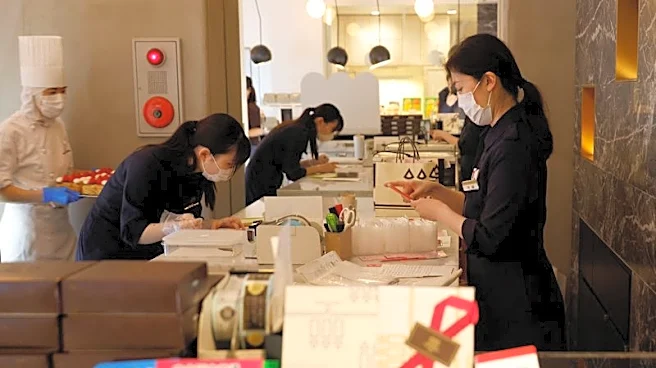
Tokyo's prominent department stores, including Isetan Shinjuku, Nihombashi Mitsukoshi, Nihombashi Takashimaya, Ginza Mitsukoshi, and Matsuya Ginza, are showcasing an extensive array of seasonal and regional food specialties within their basement food halls,
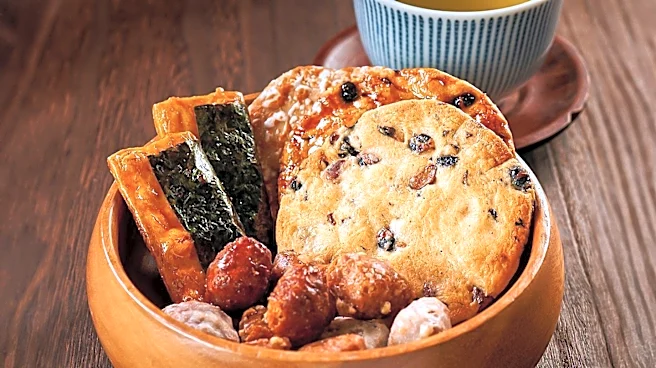
known as 'depachika.' These food halls are a significant part of Japanese culture, particularly for gift-giving during traditional summer and year-end seasons. Isetan Shinjuku, for instance, features a 'Food Collection' with rotating producers and regional specialties, alongside exclusive brands like Pomology, a fruit-focused confectionery. Nihombashi Mitsukoshi emphasizes its heritage with a focus on traditional Japanese confectionery and day-specific regional treats. Nihombashi Takashimaya distinguishes itself with a 'Meika Hyakusen' collection of sweets from across Japan and a unique Kyoto air delivery service for fresh regional foods. Ginza Mitsukoshi offers Ginza-exclusive items and seasonal bento, while Matsuya Ginza has innovated with a 'GINZA FROZEN GOURMET' section, collaborating with local restaurants to offer high-quality frozen meals.
Why It's Important?
The depachika phenomenon highlights a unique aspect of Japanese consumer culture, where food is not merely sustenance but an art form and a significant component of social rituals, such as gift-giving. The emphasis on seasonal and regional products supports local producers and preserves traditional culinary practices, contributing to Japan's rich gastronomic heritage. For consumers, these food halls offer unparalleled access to high-quality, diverse, and often exclusive food items, ranging from everyday meals to gourmet delicacies. The innovation seen in places like Matsuya Ginza's frozen gourmet section also demonstrates how traditional retail spaces are adapting to changing consumer needs and external challenges, such as the pandemic, by leveraging technology to bring restaurant-quality food into homes. This model could offer insights for food retail and hospitality sectors globally on how to integrate local sourcing, cultural significance, and modern convenience.
What's Next?
These department stores are expected to continue their tradition of seasonal rotations, introducing new regional specialties and limited-edition products throughout the year. The ongoing evolution of depachika, as seen with Isetan's recent remodelling and Matsuya's frozen food initiative, suggests a continuous effort to enhance the customer experience and adapt to market trends. Consumers can anticipate further collaborations between department stores and local food businesses, potentially leading to more exclusive offerings and innovative food concepts. The focus on convenience, quality, and cultural relevance will likely remain central to the depachika strategy, ensuring their continued popularity as destinations for both daily provisions and special occasions.
Beyond the Headlines
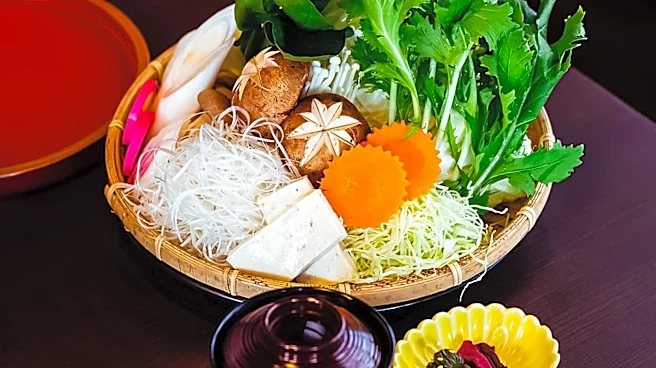
Beyond their commercial function, depachika serve as cultural hubs, reflecting and reinforcing Japanese values of quality, presentation, and respect for tradition. The meticulous packaging, the emphasis on seasonal ingredients, and the curated selection of regional specialties all speak to a deeper appreciation for craftsmanship and the culinary arts. These food halls also act as a microcosm of Japan's diverse food landscape, allowing urban dwellers to experience flavors from across the country without traveling. The integration of traditional and modern elements, such as centuries-old wagashi alongside contemporary patisserie, illustrates Japan's ability to honor its past while embracing innovation. This blend of tradition and modernity in a retail setting offers a compelling case study for understanding consumer behavior and cultural preservation in a rapidly changing world.