



What's Happening?
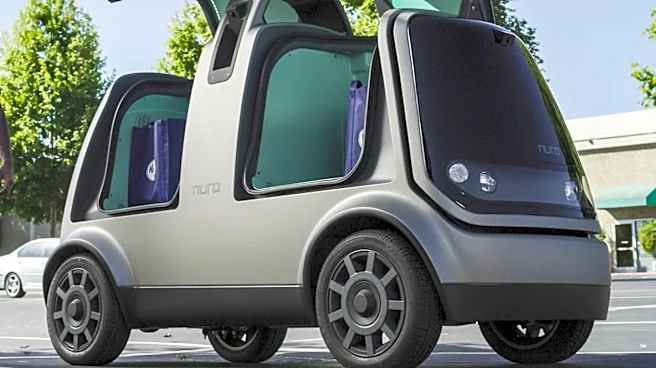
Lucid Motors, in collaboration with Nuro and Uber, has commenced fully driverless public-road testing of Lucid Gravity robotaxis in several Bay Area cities, including Palo Alto, Mountain View, Los Altos, and Sunnyvale. This marks a significant step towards
the commercial deployment of autonomous ride-hailing services. Following the initial public-road tests, the companies plan to introduce employee rides. The commercial launch of these robotaxi services, initially projected for late 2026, is now anticipated in the first quarter of 2027, starting in the Bay Area and subsequently expanding to Houston. Uber has made a commitment to acquire at least 35,000 Lucid vehicles, which will be equipped with Nuro Driver technology, for integration into its own fleet. This development positions Lucid to enter the burgeoning robotaxi market, leveraging Nuro's autonomous driving expertise and Uber's extensive ride-hailing network. The testing phase is crucial for refining the autonomous technology and ensuring safety and reliability before wider public access.
Why It's Important?
This collaboration signifies a major advancement in the autonomous vehicle industry and the future of urban transportation in the U.S. The partnership between an established automaker (Lucid), an autonomous technology specialist (Nuro), and a leading ride-hailing platform (Uber) creates a formidable force in the race to commercialize self-driving services. For Lucid, this venture opens a new revenue stream beyond direct consumer sales, potentially boosting its market position and vehicle production volumes. Nuro gains a significant platform to deploy its autonomous driving software at scale, validating its technology in real-world urban environments. Uber stands to benefit from reduced operational costs in the long term by replacing human drivers with autonomous vehicles, potentially increasing profitability and service efficiency. The successful deployment of these robotaxis could transform urban mobility, offering new transportation options, potentially reducing traffic congestion, and addressing labor challenges in the ride-hailing sector. However, it also raises questions about job displacement for traditional drivers and the regulatory frameworks required for widespread autonomous vehicle operation.
What's Next?
The immediate next steps involve continued rigorous testing of the Lucid Gravity robotaxis in the Bay Area, with a focus on safety, performance, and user experience. Following public-road testing, the companies will introduce employee rides to gather internal feedback and further refine the service. The revised commercial launch timeline for the first quarter of 2027 indicates a period of intensive development and regulatory navigation. Stakeholders, including local governments and transportation authorities, will closely monitor the testing phase to ensure compliance with safety standards and to develop appropriate regulations for autonomous vehicle operations. The commitment from Uber to purchase a substantial fleet of Lucid vehicles suggests a long-term strategic partnership, which could lead to further expansion into other U.S. cities beyond the Bay Area and Houston. The success of this initial deployment will likely influence investment and development in the broader autonomous vehicle sector, potentially accelerating the adoption of similar services by competitors.
Beyond the Headlines
The introduction of fully driverless robotaxis by Lucid, Nuro, and Uber carries profound implications beyond immediate transportation benefits. Ethically, the widespread deployment of autonomous vehicles will necessitate robust discussions around accountability in the event of accidents, the ethical decision-making algorithms programmed into these vehicles, and the societal impact of job displacement for professional drivers. Legally, existing traffic laws and insurance frameworks will need significant adaptation to accommodate self-driving cars, potentially leading to new legislative initiatives at both state and federal levels. Culturally, public acceptance and trust in autonomous technology will be critical for its success, requiring transparent communication and demonstrated safety records. This development also signals a long-term shift in urban planning and infrastructure, as cities may need to adapt to accommodate autonomous fleets, potentially influencing everything from parking regulations to traffic management systems. The collaboration could also set a precedent for future partnerships between traditional automotive manufacturers, tech companies, and service providers, reshaping the competitive landscape of the mobility industry.