








What's Happening?
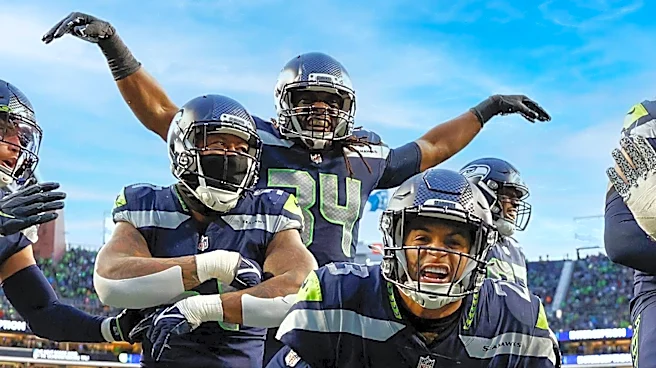
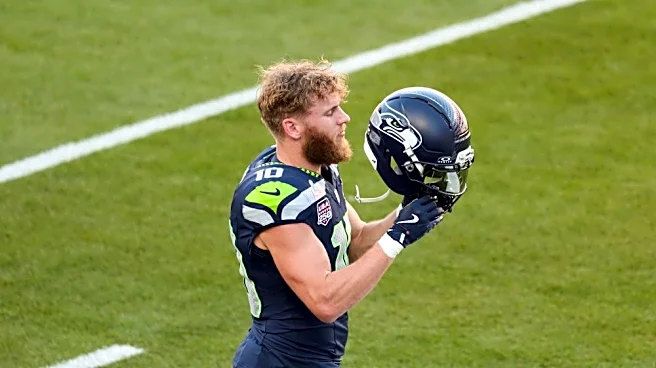
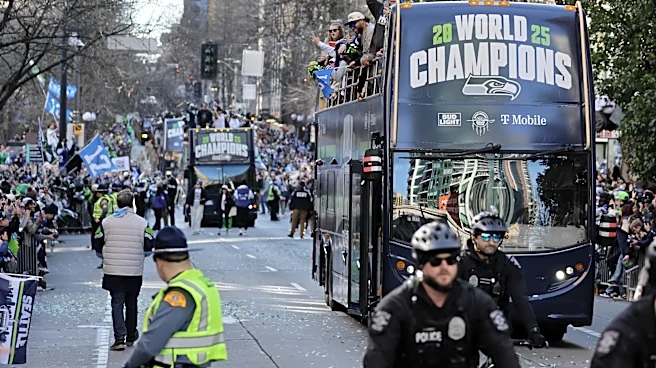
The Seattle Seahawks are set to be sold to the Khosla family and limited partners for a record-breaking $9.612 billion, pending league approval. This transaction, if finalized, will surpass the previous NFL record set by the sale of the Washington Commanders
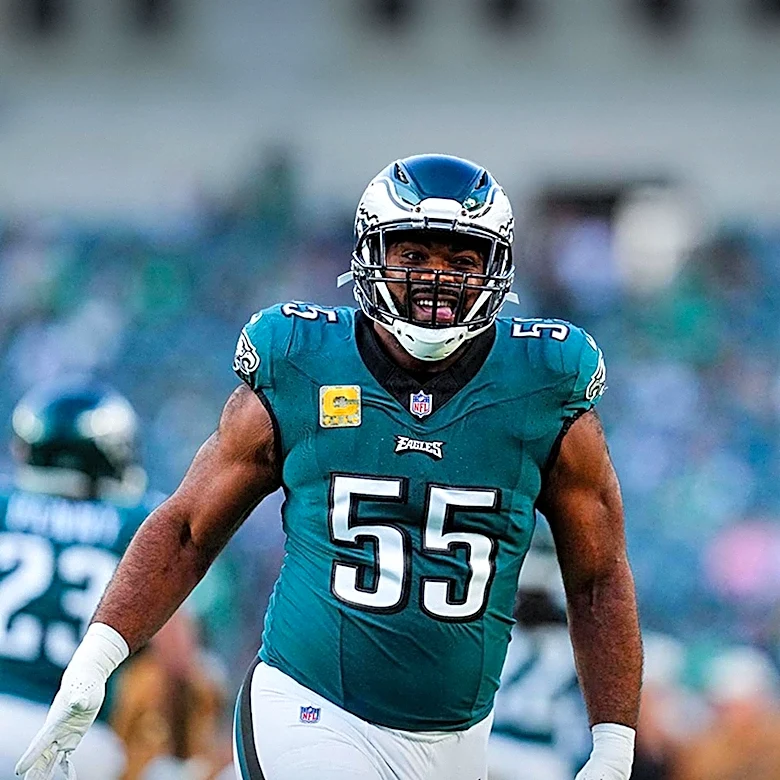
for $6.05 billion in 2023. The sale price of the Seahawks is significantly higher than the $6.59 billion valuation by Sportico, indicating a substantial premium on the open market. This development has implications for the valuation of other NFL franchises, including the Philadelphia Eagles, which are currently valued at $8.43 billion by Sportico. The Eagles, owned by Jeffrey Lurie, are among the league's most valuable teams, and the sale of the Seahawks suggests that their market value could exceed $9 billion, potentially reaching over $12 billion in a full-control sale scenario.
Why It's Important?
The sale of the Seahawks at such a high price highlights the increasing value of NFL franchises and the potential for significant financial gains for team owners. This transaction could set a new benchmark for franchise valuations, affecting how other teams are perceived in the market. For the Philadelphia Eagles, this means their franchise value could see a substantial increase, enhancing their financial standing and market influence. The sale underscores the scarcity and desirability of owning an NFL team, driven by factors such as fan base size, brand strength, and league economics. This could lead to increased investment in the league and potentially higher revenues from media rights and sponsorships.
What's Next?
The sale of the Seahawks is subject to league review and approval, which will determine if the transaction proceeds as planned. If approved, it could prompt other NFL team owners to reassess their franchise valuations and consider potential sales or minority stake transactions. For the Eagles, while there is no indication that Jeffrey Lurie plans to sell, the increased valuation could influence future business decisions, including investments in team facilities, player acquisitions, and marketing strategies. The broader NFL market may also see increased interest from investors looking to capitalize on the rising value of franchises.