


What's Happening?
Tecnoglass Holdings is experiencing significant pressure on its profitability, with declines in earnings per share (EPS), free cash flow margin, and return on invested capital, despite an increase in revenue. This indicates that the company's vertically
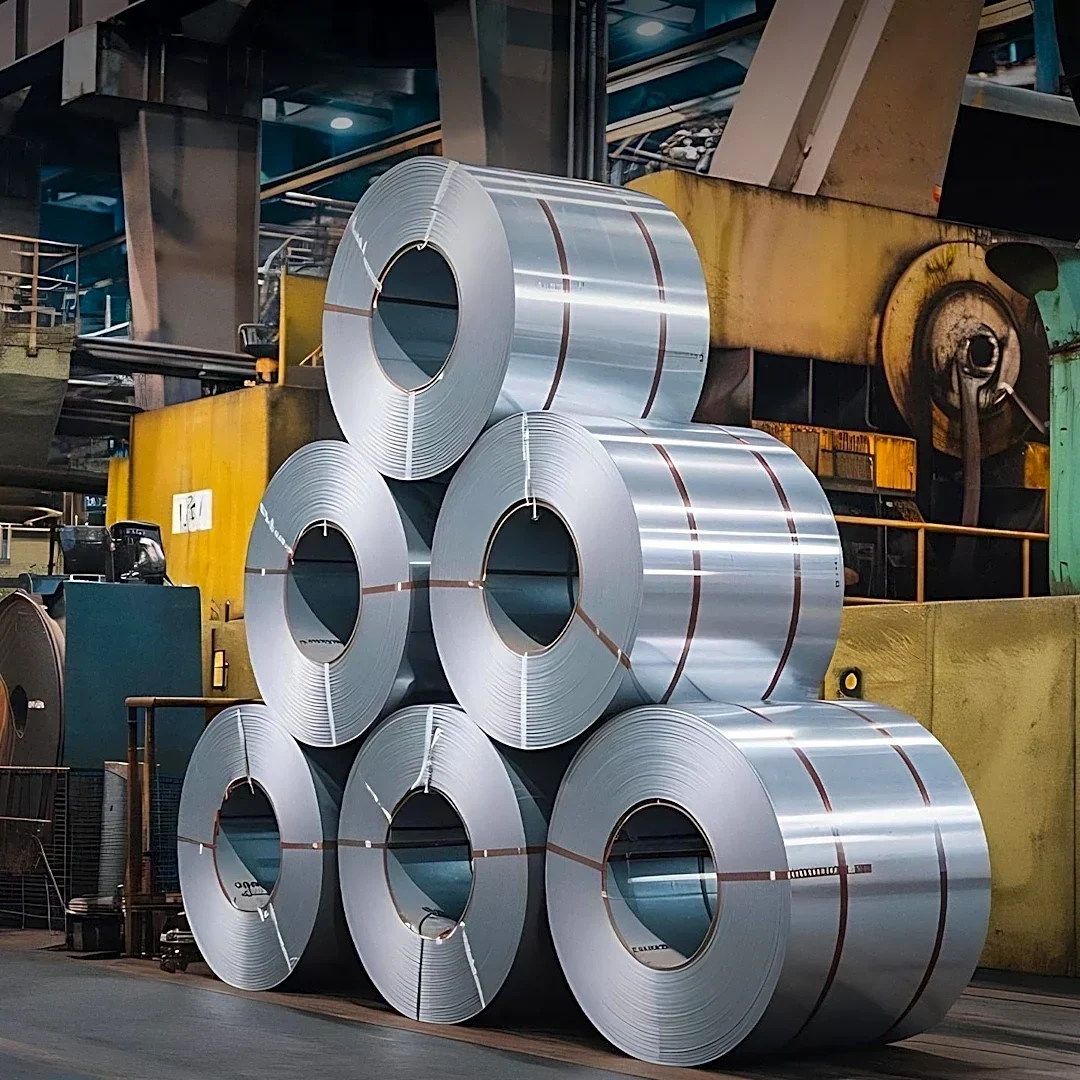
integrated model is being challenged by higher costs and increased investment requirements. Key factors contributing to this pressure include aluminum tariffs, elevated input costs, and fluctuations in the Colombian peso. Management has already addressed approximately $25 million in tariff effects in 2025 and is targeting the new 10% Section 232 tariff by 2027, directly linking these efforts to protecting earnings quality. The company maintains a substantial liquidity position of around $360 million and low net leverage, providing room to fund $80 million to $95 million in capital expenditures in 2026 without immediate reliance on richer cash flows.
Why It's Important?
The challenges faced by Tecnoglass Holdings highlight the broader impact of trade tariffs and rising material costs on U.S. businesses, particularly those in manufacturing and construction supply chains. The company's efforts to offset these costs through pricing adjustments, automation, and sourcing changes are critical for maintaining its financial health and investor confidence. The situation underscores how external economic factors, such as tariffs and currency fluctuations, can directly erode corporate profitability even when sales volumes remain strong. For investors, the key concern is whether current margin compression and weaker EPS are temporary setbacks or indicative of more persistent issues that could affect long-term growth and shareholder value. The company's ability to convert its record $1.4 billion backlog into cash efficiently, while managing these cost pressures, will be a significant determinant of its future success.
What's Next?
Tecnoglass Holdings' immediate focus will be on the efficient conversion of its substantial backlog into cash, especially as aluminum tariffs and other input costs continue to impact profitability. The company's strategic investments in automation and sourcing changes are expected to play a crucial role in stabilizing margins. Management's proactive approach to mitigating tariff effects, including targeting the new Section 232 tariff, will be closely watched. Analysts project revenues of $1.3 billion and earnings of $154.5 million by 2029, assuming a 7.4% yearly top-line growth. The success of these cost-mitigation strategies and investments in stabilizing margins will determine whether the company can translate its large U.S. project pipeline and showroom expansion into more resilient EPS over time. Investors will monitor quarterly reports for signs of margin improvement and effective cost management.
Beyond the Headlines
The case of Tecnoglass Holdings illustrates the complex interplay between global trade policies, commodity markets, and corporate strategy. The imposition of tariffs, while intended to protect domestic industries, can create ripple effects throughout supply chains, increasing costs for businesses that rely on imported materials. This situation forces companies to innovate in areas like automation and sourcing to maintain competitiveness. Furthermore, it highlights the vulnerability of companies to geopolitical and economic shifts, such as currency fluctuations, which can significantly impact international operations. The long-term implications could include a re-evaluation of global supply chain strategies, with companies potentially seeking more localized or diversified sourcing to mitigate tariff and currency risks, thereby reshaping international trade flows and manufacturing footprints.