







What's Happening?
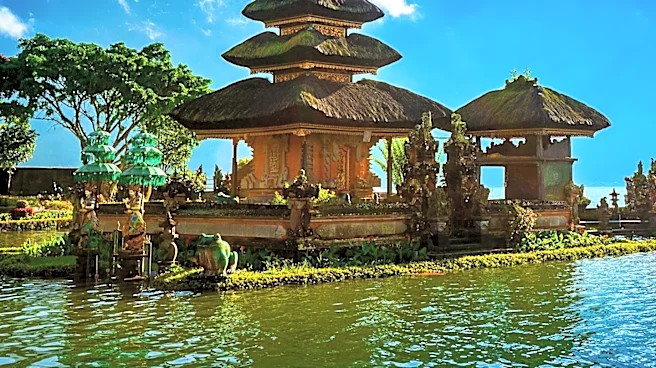
Bali, Indonesia, is presented as a premier tropical destination, offering a wide array of experiences for travelers. Tour packages, such as a typical 7-night/8-day itinerary, emphasize cultural immersion through visits to ancient temples like Tanah Lot
and Uluwatu, which provide stunning sunset views and traditional Kecak dance performances. The island also boasts natural wonders, including the lush rice terraces of Tegallalang and the cascading Gitgit waterfalls. For those seeking relaxation, Bali's pristine beaches, particularly in areas like Nusa Dua and Seminyak, offer opportunities for unwinding, spa treatments, and vibrant nightlife. Accommodations range from boutique villas in Ubud to beachfront resorts, catering to various preferences with traditional Balinese architecture and modern amenities. The island's diverse offerings ensure a holistic journey, combining natural beauty, cultural heritage, and luxurious stays.
Why It's Important?
The detailed promotion of Bali's tourism offerings highlights the significant economic impact of international travel on local economies. By showcasing a blend of cultural, natural, and luxury experiences, Bali attracts a broad spectrum of tourists, contributing to job creation in hospitality, transportation, and local artisan sectors. The emphasis on cultural excursions helps preserve and promote Balinese traditions, providing income for local communities through temple visits and traditional performances. The variety of accommodations, from budget-friendly options to high-end resorts, caters to different market segments, ensuring a steady flow of tourism revenue. This comprehensive approach to tourism development supports sustainable growth, allowing the island to maintain its appeal while benefiting its residents and local businesses.
What's Next?
Bali is expected to continue refining its tourism offerings to cater to evolving traveler preferences, potentially focusing more on eco-tourism and sustainable practices to preserve its natural beauty. There may be an increased emphasis on personalized experiences, allowing visitors to tailor their itineraries to specific interests, whether it's adventure, wellness, or deep cultural dives. The development of new attractions and the enhancement of existing infrastructure will likely be ongoing to accommodate the growing number of tourists. Additionally, efforts to promote responsible tourism, such as encouraging the reduction of plastic waste, will likely become more prominent, aligning with global environmental concerns and ensuring the long-term viability of Bali as a top travel destination.
Beyond the Headlines
The sustained popularity of Bali as a global tourist destination underscores the broader trend of experiential travel, where visitors seek authentic cultural engagement and unique natural encounters beyond typical sightseeing. This demand drives innovation in the tourism industry, pushing destinations to offer more immersive and personalized experiences. The balance between preserving local culture and accommodating tourist influx presents an ongoing challenge, requiring careful management to prevent over-tourism and maintain the island's unique charm. Furthermore, the economic reliance on tourism in places like Bali highlights the vulnerability of such economies to global events, emphasizing the need for diversification and resilient tourism models that can adapt to changing circumstances while respecting local traditions and environments.