
What's Happening?
Bradley Foster & Sargent Inc. CT has decreased its holdings in Taiwan Semiconductor Manufacturing Company Ltd. (TSMC) by 4.8% during the first quarter, as per their latest filing with the Securities and
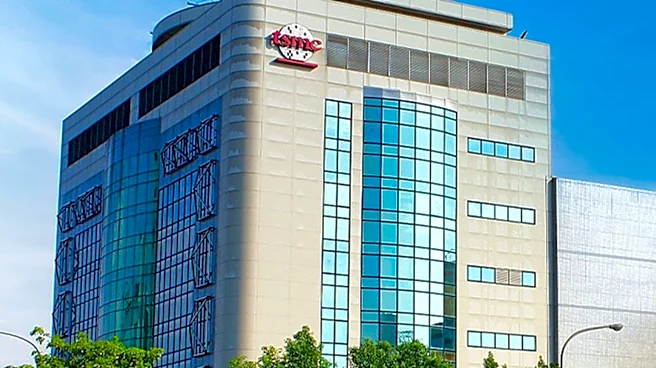
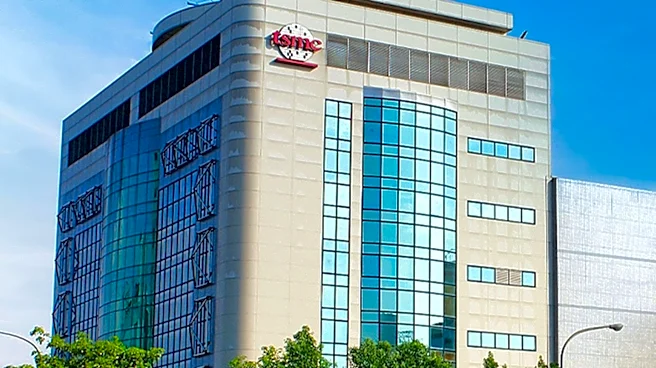
Exchange Commission. The fund now owns 36,297 shares of TSMC, valued at $12,267,000, after selling 1,838 shares. This move is part of a broader trend among institutional investors adjusting their positions in TSMC. Notably, Capital Research Global Investors increased its stake by 66.3% in the fourth quarter, while Y Intercept Hong Kong Ltd raised its stake by 273.2% in the first quarter. TSMC, a leading semiconductor foundry, continues to attract significant institutional interest due to its pivotal role in the global semiconductor industry.
Why It's Important?
The adjustment in holdings by Bradley Foster & Sargent Inc. and other institutional investors reflects the dynamic nature of investment strategies in the semiconductor sector. TSMC's position as a key player in semiconductor manufacturing makes it a focal point for investors looking to capitalize on the growing demand for advanced chips, driven by sectors like AI and high-performance computing. The changes in investment positions could influence TSMC's stock performance and highlight the broader market's confidence in the company's growth prospects. As TSMC continues to expand its operations, including significant investments in U.S. chipmaking, these investment trends underscore the strategic importance of semiconductors in global technology supply chains.
What's Next?
As TSMC continues to expand its production capabilities and invest in new technologies, it is likely to remain a significant focus for institutional investors. The company's strategic moves, such as its commitment to U.S. chipmaking, could further enhance its market position and attract additional investment. Investors will be closely monitoring TSMC's financial performance and strategic initiatives, particularly in the context of the ongoing global semiconductor demand. The company's ability to maintain its leadership in advanced chip manufacturing will be crucial in determining its future market valuation and investor interest.